





What's Happening?
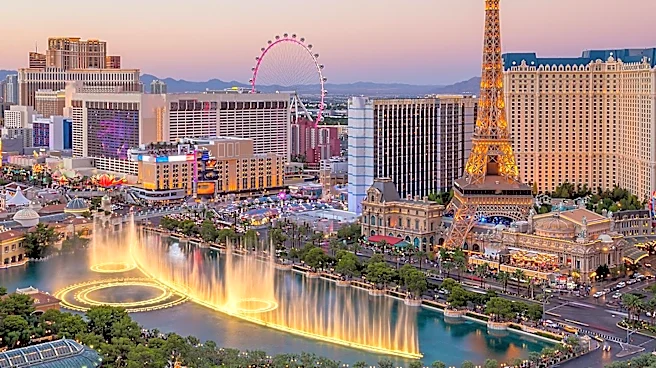
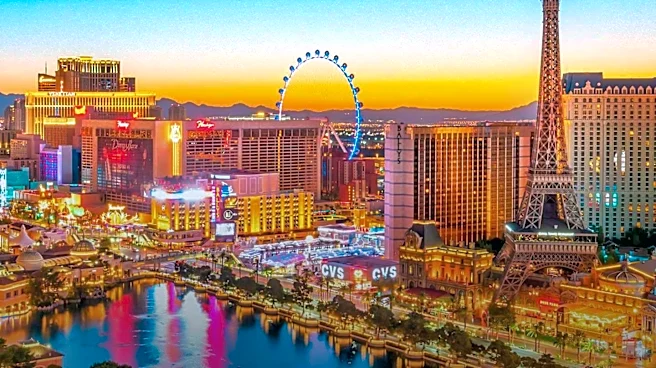
Morris Injury Law has released a comprehensive set of hotel safety tips aimed at travelers visiting Las Vegas. The firm highlights that the bustling environment of Las Vegas hotels, which often function as mini-cities with numerous amenities like casinos,
pools, and entertainment venues, presents various safety risks. Common hazards identified include wet floors, uneven walking surfaces, inadequate lighting, malfunctioning equipment, and insufficient security. The law firm advises guests to remain vigilant, report any unsafe conditions to hotel staff immediately, and take proactive measures to ensure their safety and that of their families. Specific recommendations include watching for hazards like loose carpeting, using handrails, verifying room lock functionality, securing valuables, supervising children near pools and balconies, and adhering to posted pool rules. The firm emphasizes that prompt reporting of hazards can prevent injuries and that in the event of an accident, guests should seek medical attention, document the scene with photos or videos, gather witness information, and request a written incident report from hotel management.
Why It's Important?
These safety guidelines are crucial for protecting the millions of tourists who visit Las Vegas annually. The sheer scale and activity level of Las Vegas resorts mean that potential hazards are abundant, ranging from crowded walkways to complex machinery. By providing actionable advice, Morris Injury Law aims to reduce the incidence of preventable accidents and injuries, which can severely disrupt vacations and lead to significant financial and personal distress for travelers. For the hospitality industry in Las Vegas, increased awareness and adherence to safety protocols by guests could lead to fewer liability claims and a safer environment overall, enhancing the city's reputation as a tourist destination. Conversely, a lack of attention to these tips could result in more accidents, potentially leading to legal disputes and negative publicity for hotels. The advice also underscores the legal responsibilities of hotel operators to maintain safe premises for their guests, influencing operational standards and risk management practices within the industry.
What's Next?
Following the dissemination of these safety tips, it is anticipated that travelers to Las Vegas will be better equipped to identify and mitigate potential risks during their stays. Hotels and resorts may also face increased scrutiny regarding their safety measures, potentially prompting them to review and enhance their existing protocols for maintenance, security, and guest communication. Legal firms specializing in personal injury, like Morris Injury Law, will likely continue to advocate for guest safety and provide guidance on legal recourse for those who experience accidents due to negligence. Travelers who follow these guidelines and document any incidents thoroughly will be in a stronger position should they need to pursue a claim. The broader impact could be a gradual shift towards more proactive safety management within the Las Vegas hospitality sector, driven by both consumer awareness and legal precedents.
Beyond the Headlines
The emphasis on hotel safety in Las Vegas extends beyond immediate accident prevention to touch upon broader themes of consumer protection and corporate responsibility. The advice from Morris Injury Law highlights the inherent power imbalance between large hotel corporations and individual guests, underscoring the need for guests to be self-advocates for their safety. This initiative also implicitly calls attention to the ethical obligations of businesses to prioritize guest well-being over profit, especially in environments designed for leisure and entertainment where vigilance might be lower. In a city heavily reliant on tourism, a reputation for safety is paramount. Long-term, consistent application of such safety measures and increased guest awareness could foster a culture of safety that benefits both visitors and the industry, potentially influencing regulatory standards and insurance practices across the hospitality sector nationwide. The legal implications of premises liability are also brought to the forefront, reminding both guests and operators of their respective duties and rights.