







What's Happening?
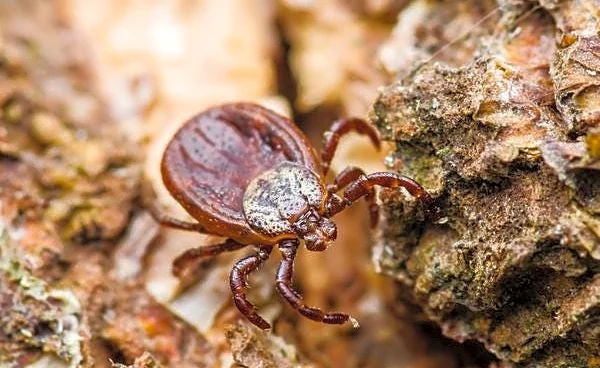
Central New York is experiencing an early and active tick season, attributed to a snowy winter that insulated ticks, allowing more to survive into spring. This has created a 'perfect storm' for tick populations, with the black-legged tick, known for spreading
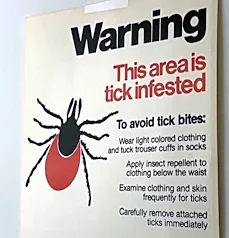
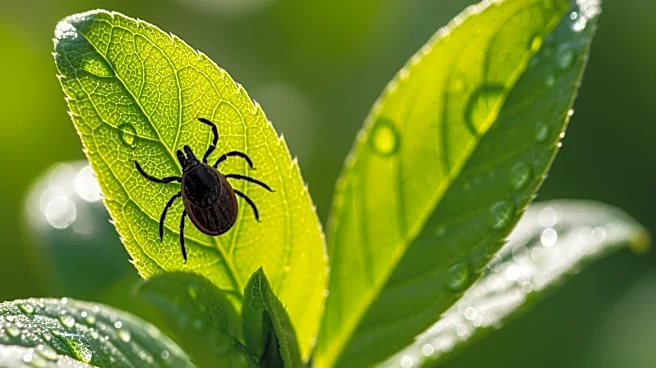
Lyme disease, being the most concerning. Experts are urging the public to take preventive measures as outdoor activities increase. Recommended precautions include using EPA-approved repellents like DEET and permethrin-treated clothing. If a tick attaches, it should be removed promptly with fine-tipped tweezers, and the tick should be saved for potential testing. Health experts emphasize the importance of full-body tick checks after outdoor activities, as some ticks are as small as a poppy seed and easy to miss.
Why It's Important?
The early onset of tick season in Central New York poses a significant public health concern due to the increased risk of Lyme disease, which can have serious long-term health effects if not treated promptly. The rise in tick populations could lead to more cases of tick-borne illnesses, impacting public health systems and increasing healthcare costs. Outdoor enthusiasts and residents in affected areas are at higher risk, necessitating increased awareness and preventive measures. The situation underscores the need for ongoing research and public health strategies to manage tick populations and prevent disease transmission.
What's Next?
As tick season progresses, public health officials and researchers will likely continue monitoring tick activity and disease incidence. Increased public education campaigns may be implemented to raise awareness about prevention and early detection of tick-borne diseases. Health authorities might also explore new strategies for tick control and management to mitigate the impact of future tick seasons. Collaboration between environmental scientists and healthcare providers will be crucial in developing effective responses to this growing public health challenge.