





What's Happening?
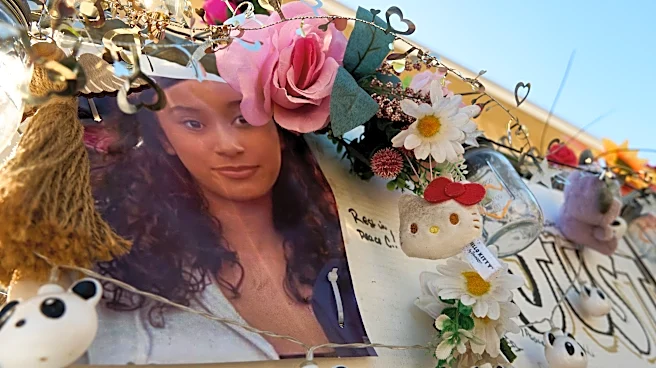
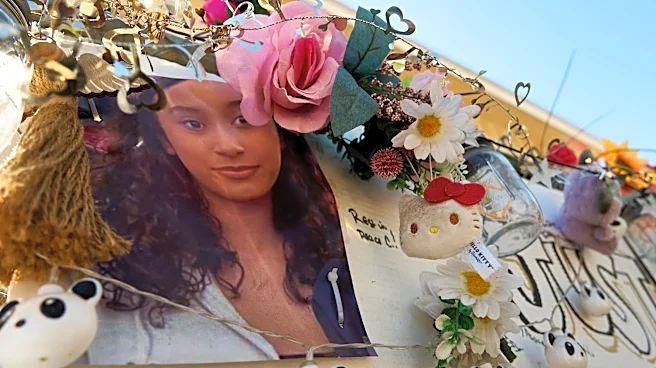
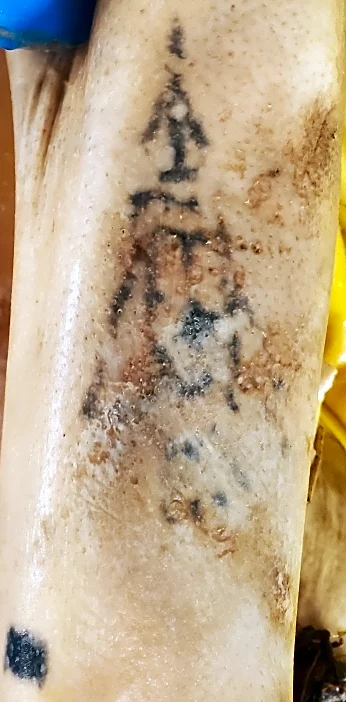
After nearly 26 years, the identity of 'Chelsea Jane Doe' has been confirmed as Tiffany Bradley, thanks to investigative genetic genealogy. This method combines DNA analysis with traditional genealogical research to identify individuals. Bradley, who
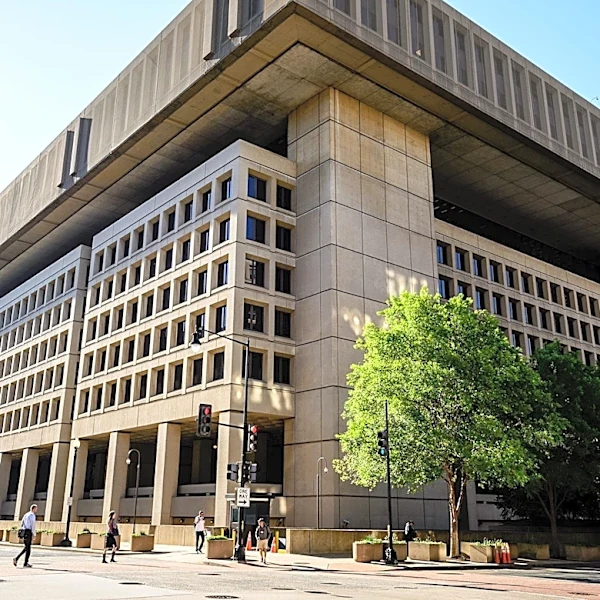
disappeared in November 2000, was found murdered in Chelsea, Massachusetts. Her remains were discovered in a parking lot, and while the perpetrator was apprehended, her identity remained unknown until now. The breakthrough came when a private forensic company, Othram, developed a DNA profile despite the poor condition of the remains. The FBI used this profile to construct a family tree, eventually matching Bradley with her brother. This identification was made possible by advancements in technology and the increasing use of public DNA databases.
Why It's Important?
The identification of Tiffany Bradley highlights the growing role of genetic genealogy in solving cold cases. This technique has revolutionized the way law enforcement approaches unsolved cases, providing closure to families who have waited decades for answers. The case underscores the importance of public DNA databases, which allow for the identification of individuals who are not in criminal databases like CODIS. This method not only helps solve crimes but also gives a voice to unidentified victims, offering them dignity and their families closure. The success of this case may encourage more law enforcement agencies to adopt genetic genealogy, potentially solving thousands of unsolved cases across the country.
What's Next?
The success of genetic genealogy in identifying Tiffany Bradley may lead to increased funding and resources for similar cases. Law enforcement agencies might prioritize the use of this technology to solve other cold cases, especially those involving unidentified victims. The case also highlights the need for more comprehensive DNA databases, which could be achieved through public cooperation and legal frameworks that balance privacy concerns with investigative needs. As more cases are solved, there may be a push for legislative support to fund these efforts, ensuring that unidentified victims receive the recognition and justice they deserve.
Beyond the Headlines
The use of genetic genealogy raises ethical and privacy concerns, particularly regarding the use of public DNA databases by law enforcement. While these databases have proven invaluable in solving cases, they also pose questions about consent and the potential misuse of genetic information. The case of Tiffany Bradley illustrates the delicate balance between solving crimes and protecting individual privacy. As this field grows, there will likely be increased scrutiny and calls for clear guidelines to ensure that genetic data is used responsibly and ethically.