





What's Happening?
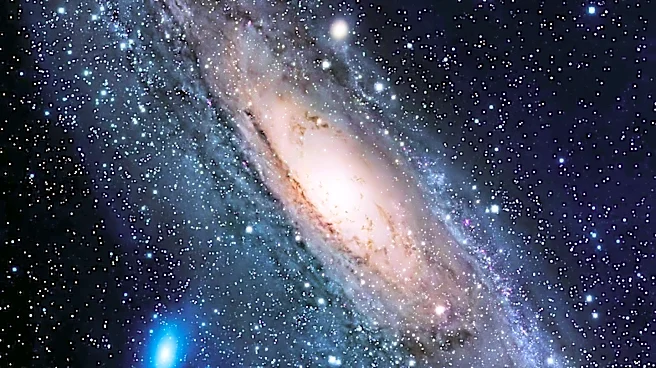
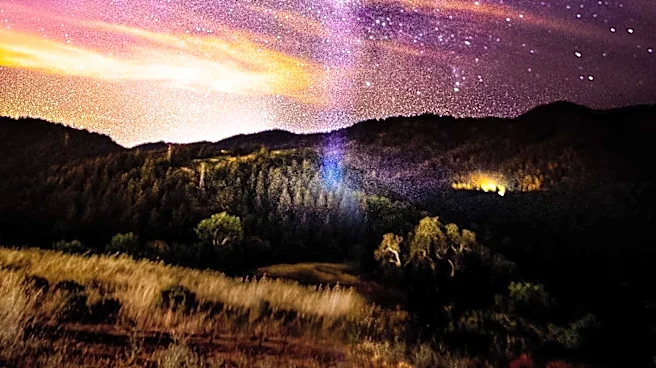
The Milky Way galaxy will be prominently visible in the night sky throughout July, including during the Fourth of July weekend. This period, known as 'Milky Way season,' spans from March to September and offers the best opportunity for viewing the galaxy in the Northern
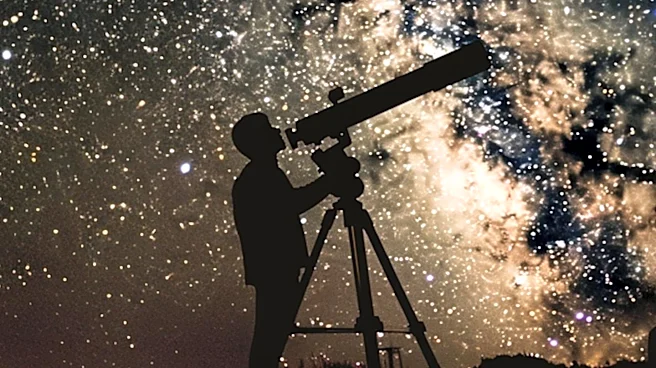
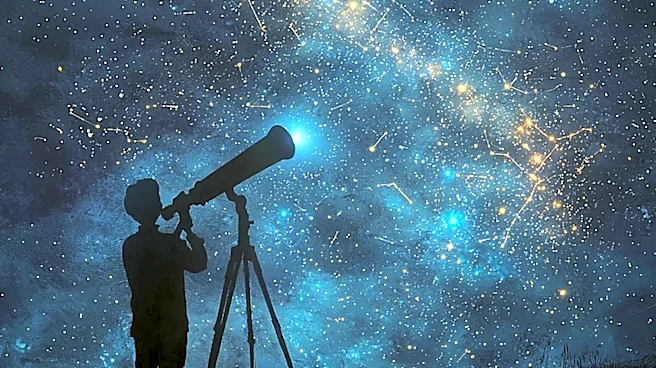
Hemisphere. The Milky Way, a spiral galaxy, is home to billions of stars and is visible as a faint band of light across the sky. The best viewing conditions are expected around the new moon on July 14, when the sky will be darkest. No special equipment is needed to view the Milky Way, making it accessible to anyone in a dark location away from city lights.
Why It's Important?
The visibility of the Milky Way during the Fourth of July offers a unique natural spectacle that complements traditional fireworks displays. This cosmic event provides an opportunity for people to connect with the universe and appreciate the vastness of our galaxy. It also highlights the importance of preserving dark sky areas, which are increasingly threatened by light pollution. The event encourages public interest in astronomy and science, potentially inspiring future generations to explore these fields. Additionally, it offers a peaceful and reflective way to celebrate Independence Day, contrasting with the usual loud and bright festivities.
What's Next?
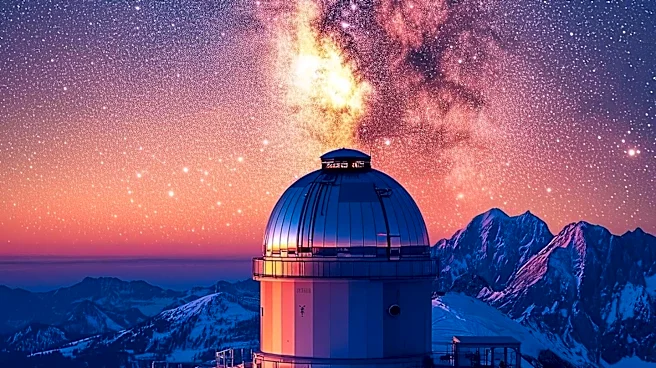
As the new moon approaches on July 14, skywatchers are encouraged to find dark sky locations to maximize their viewing experience. Organizations like DarkSky International provide resources to locate these areas. The continued visibility of the Milky Way through September offers multiple opportunities for stargazing. This period may also see increased interest in astrophotography, as enthusiasts capture the galaxy's beauty. Public and private observatories might host events to educate and engage the community, fostering a greater appreciation for astronomy and the natural world.