








What's Happening?
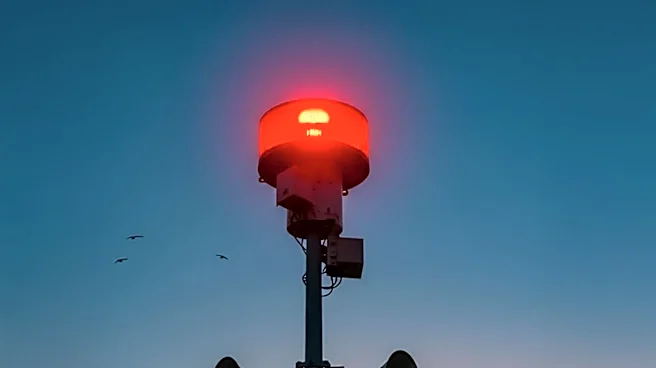
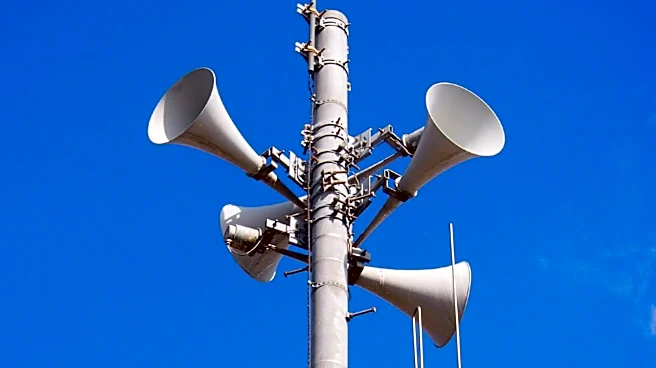
The Federal Communications Commission (FCC) has adopted new rules to enhance the cybersecurity of the Emergency Alerting System (EAS). These measures aim to protect against potential hijacking by cybercriminals and adversaries. The FCC will require EAS participants
to implement strong passwords, regularly update security patches, and use network firewalls. Additionally, the FCC is seeking public comment on further modernizing EAS and Wireless Emergency Alerts (WEA) to improve reliability and geographic accuracy. Proposed improvements include authenticating alerts before transmission and establishing a universal alert identification number to prevent duplicates.
Why It's Important?
The FCC's actions are crucial for maintaining public trust in emergency alert systems, which are vital for public safety. By enhancing cybersecurity, the FCC aims to prevent unauthorized access and ensure that alerts are accurate and reliable. This is particularly important in an era where cyber threats are increasingly sophisticated. The proposed changes could lead to more effective emergency responses, potentially saving lives during natural disasters or other crises. The modernization efforts also reflect a broader trend towards integrating technology and security in public infrastructure.
What's Next?
The FCC will continue to gather public input on its proposed rule changes, which could lead to further enhancements in the EAS and WEA systems. Stakeholders, including telecommunications companies and public safety organizations, are likely to participate in the consultation process. The FCC's ongoing efforts to modernize these systems may result in additional regulatory updates aimed at improving the effectiveness and security of emergency communications. As these changes are implemented, the public can expect more reliable and precise emergency alerts.