



What's Happening?
Congressman John B. Larson (CT-01), alongside a bipartisan coalition of 261 lawmakers, has filed an amicus brief with the Supreme Court of the United States. The brief, submitted in the case of United States Postal Service v. State of California, urges
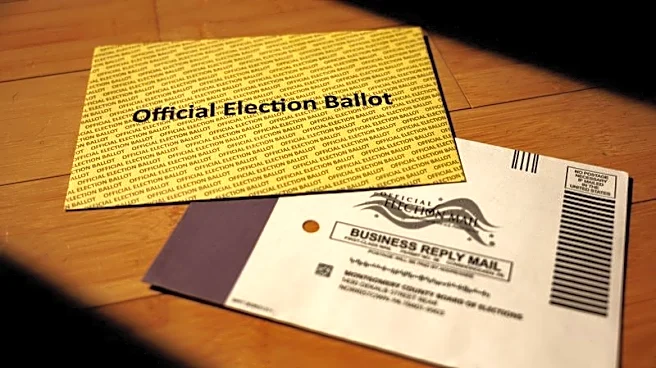
the court to reject President Trump’s executive order concerning mail-in voting. According to Larson and the coalition, this order is an unconstitutional attempt to control the mail-in voting process and follows previous threats by President Trump to 'nationalize our elections.' The lawmakers argue that the order violates the separation of powers and Article I of the U.S. Constitution, which grants states and Congress exclusive authority over election administration. They contend that the President's order seeks to empower Trump officials to determine voter eligibility by giving the Postal Service control over who can vote by mail. Larson stated that President Trump is determined to interfere with a free and fair election, referencing the 'SAVE America Act' and alleged pressure from the Department of Homeland Security to purge voters.
Why It's Important?
This legal challenge is significant as it directly addresses the constitutional authority over election administration in the United States. The amicus brief highlights a fundamental disagreement between the executive branch and a substantial number of lawmakers regarding the integrity and process of federal elections. If President Trump's order were to stand, it could set a precedent for federal intervention in state-run election procedures, potentially altering how millions of Americans cast their ballots. With one-third of Americans expected to vote by mail in upcoming elections, any changes to this process could have widespread implications for voter access and participation. The outcome of this Supreme Court case could redefine the balance of power in election oversight, impacting voter confidence and the perceived fairness of democratic processes. The bipartisan nature of the brief underscores the broad concern across the political spectrum regarding the potential for executive overreach in electoral matters.
What's Next?
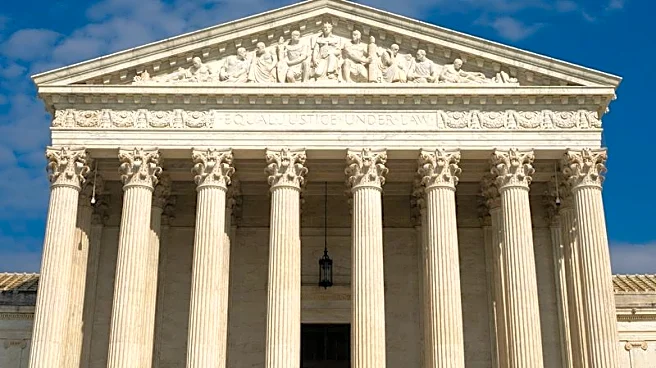
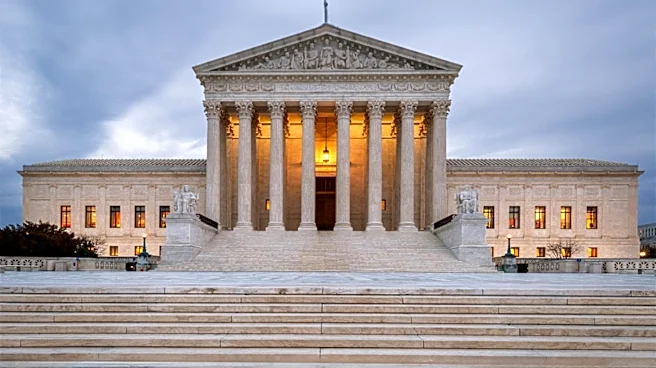
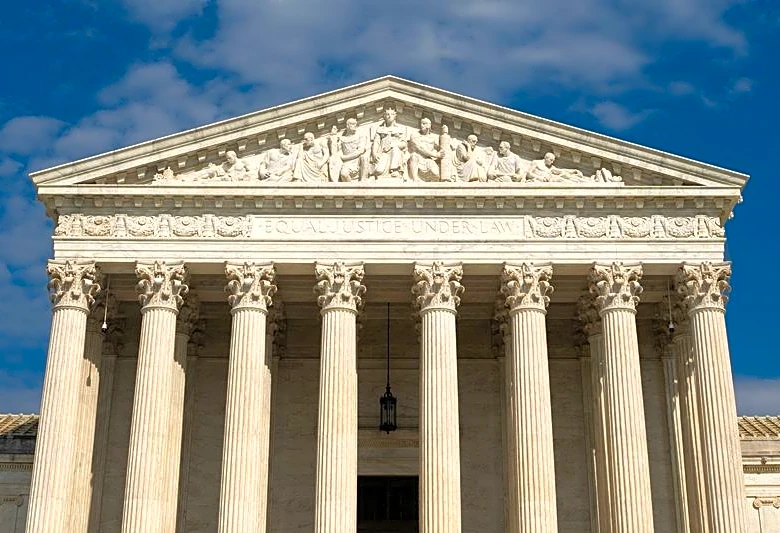
The Supreme Court will now consider the arguments presented in the amicus brief as part of its review of United States Postal Service v. State of California. The court's decision will determine the legality of President Trump's executive order and its potential impact on mail-in voting procedures. Should the Supreme Court rule in favor of the lawmakers, it would reinforce the traditional roles of states and Congress in election administration and block the executive order from taking effect. Conversely, a ruling upholding the order could lead to significant changes in how mail-in ballots are handled, potentially affecting voter turnout and the overall conduct of future elections. Political leaders, advocacy groups, and election officials will closely monitor the court's proceedings, and its decision is likely to prompt further legislative or legal actions depending on the outcome. The case is expected to influence public discourse on election security and federal versus state control over voting processes.
Beyond the Headlines
Beyond the immediate legal and political ramifications, this case touches upon deeper issues concerning the democratic process and public trust in elections. The debate over mail-in voting, exacerbated by President Trump's order, reflects a broader societal tension regarding the accessibility and security of ballots. The lawmakers' argument about the separation of powers underscores the delicate balance within the U.S. governmental structure, particularly when it comes to fundamental rights like voting. The outcome could influence future legislative efforts to standardize or decentralize election laws, potentially leading to a more unified or fragmented approach to voting across states. Furthermore, the bipartisan involvement in the amicus brief suggests a shared concern among some political figures about maintaining the integrity of the electoral system, even amidst partisan divides. This legal battle is not just about a single executive order but about the foundational principles governing American democracy and the mechanisms designed to protect it.