


What's Happening?
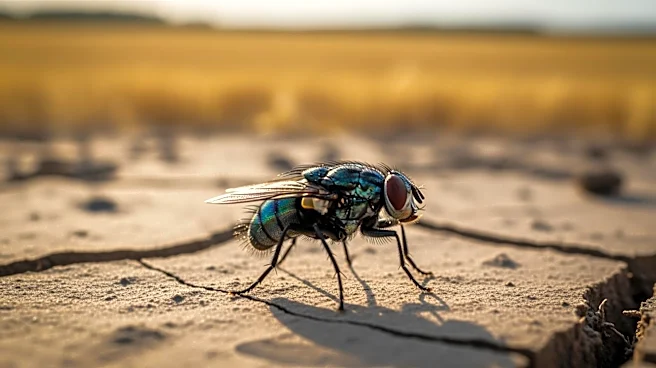
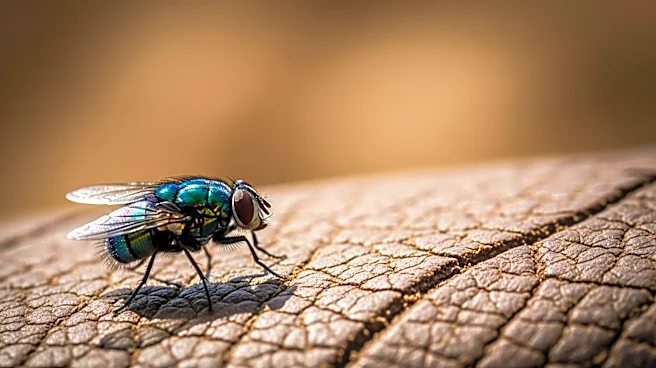
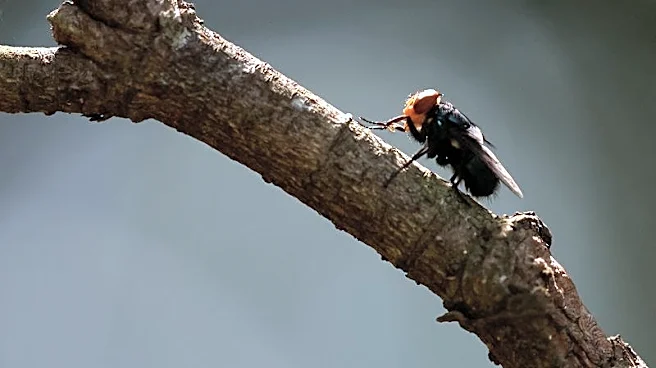
Federal agricultural inspectors have identified a case of New World screwworm larvae in a calf in south Texas, near the U.S.-Mexico border. This detection has raised alarms due to the screwworm's history of causing significant harm to livestock by burrowing
into the flesh of living animals. The USDA has been monitoring the movement of this parasitic fly, which has been migrating north from Central America to Mexico since 2023. The screwworm was previously eradicated in the U.S. in 1966 through a joint program with Mexico, utilizing the sterile insect technique. However, the recent detection indicates a potential re-invasion, prompting the USDA to take proactive measures to contain the pest and prevent widespread infestation.
Why It's Important?
The re-emergence of the New World screwworm poses a significant threat to the U.S. cattle industry, with potential economic impacts due to import restrictions, reduced productivity, and animal loss. The USDA estimates that an outbreak could cost producers $4.3 billion annually and lead to economic losses exceeding $10.6 billion across the southern United States. The screwworm's ability to spread rapidly and cause severe damage to livestock underscores the importance of effective containment strategies. The USDA's efforts to monitor and control the screwworm are crucial to safeguarding the cattle industry and preventing disruptions in the beef supply chain.
What's Next?
The USDA is actively working to contain the screwworm by employing the sterile insect technique, which involves releasing sterile male flies to reduce the population. Additionally, the USDA has issued an emergency use authorization for insecticides effective against screwworms. These measures aim to prevent the spread of the parasite and protect livestock. The USDA will continue to monitor the situation closely, collaborating with state and local partners to ensure rapid response to any new cases. The agency's efforts will focus on preventing the screwworm from establishing a foothold in the U.S., particularly in regions with climates conducive to year-round populations.
Beyond the Headlines
The re-invasion of the New World screwworm highlights the challenges of maintaining biosecurity in an interconnected world. The potential for the screwworm to spread to other regions, including California, where the climate could support year-round populations, raises concerns about long-term impacts on agriculture. The situation also underscores the importance of international cooperation in managing cross-border pest threats. The USDA's proactive measures, including the establishment of a new sterile fly production facility, demonstrate the need for ongoing investment in pest control infrastructure to protect the agricultural sector from emerging threats.