









What's Happening?
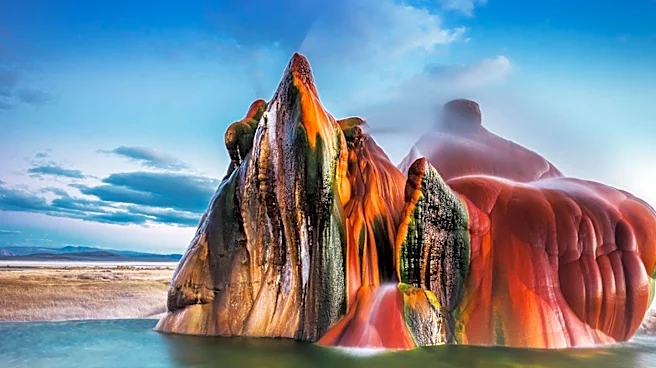
Nevada's state parks are being highlighted as ideal scenic detours for travelers visiting Las Vegas and Lake Tahoe. The state boasts 27 parks, many of which are clustered together, allowing visitors to explore multiple parks over a few days. Notable parks include
the Valley of Fire State Park, known for its striking red sandstone formations, and Cathedral Gorge State Park, which offers unique slot canyons and a family-friendly environment. The parks are praised for their accessibility and affordability, with entry fees typically ranging from $10 to $15. Additionally, the parks offer a $100 annual permit for frequent visitors. Tyler Kerver, Education and Information Officer for the Nevada Division of State Parks, emphasizes the diverse experiences available, from hiking and mountain biking to relaxing by lakes and exploring fossil beds.
Why It's Important?
The promotion of Nevada's state parks as travel destinations highlights the state's efforts to diversify its tourism offerings beyond the well-known attractions of Las Vegas. By encouraging visitors to explore natural landscapes, Nevada aims to boost local economies and support conservation efforts. The parks' affordability and accessibility make them attractive options for a wide range of visitors, potentially increasing tourism revenue. This initiative also aligns with broader trends in travel, where tourists seek outdoor and nature-based experiences. The emphasis on preserving natural beauty and providing educational opportunities about the state's geological and paleontological history can enhance Nevada's reputation as a destination for eco-tourism.
What's Next?
As Nevada continues to promote its state parks, there may be increased investment in infrastructure and amenities to accommodate growing visitor numbers. This could include expanding camping facilities, improving trail maintenance, and enhancing educational programs. The state may also explore partnerships with travel agencies and tour operators to create packaged experiences that include visits to multiple parks. Additionally, ongoing marketing efforts will likely focus on highlighting the unique features of each park to attract diverse visitor demographics. The success of these initiatives could lead to further development of eco-tourism strategies and conservation projects within the state.