






What's Happening?
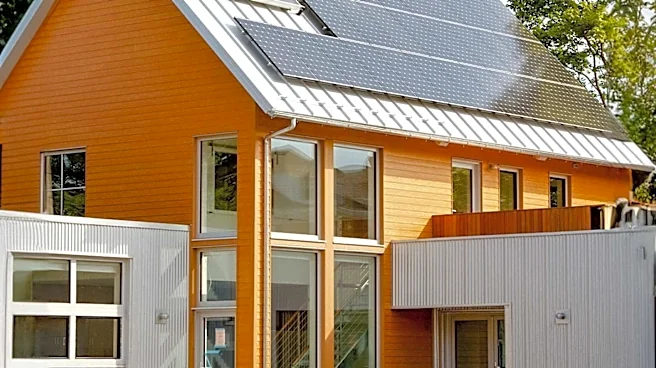
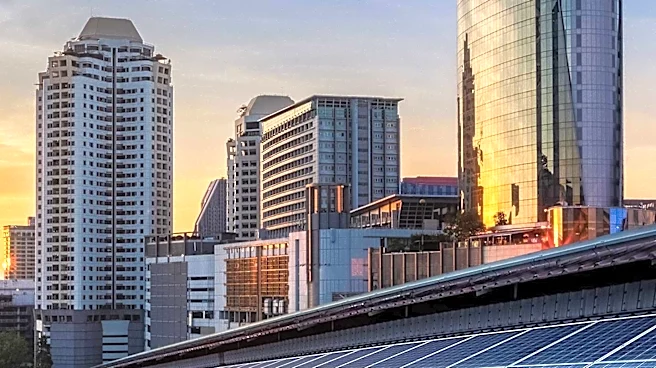
The town of Watertown has implemented new requirements for large-scale developments, mandating the installation of rooftop solar panels and LEED certification. Specifically, new projects exceeding 10,000 gross square feet or containing 10 or more units
within designated districts (NB, LB, WSQ, NMU, I-1, I-2, I-3, RMUD, and PSCD) must now install solar energy systems covering at least 50% of their roof area. Additionally, these developments are required to achieve LEED certification, with a minimum of Silver certification generally, and Gold certification for projects located in the WSQ and NMU districts. These regulations aim to promote sustainable building practices and increase renewable energy adoption within the community. The requirements were confirmed against Town of Watertown sources in November 2026, though it is noted that zoning regulations can change, advising developers to verify with the town before design.
Why It's Important?
This new mandate in Watertown signifies a significant step towards local environmental sustainability and energy independence. By requiring solar installations on a substantial portion of new large roofs, the town is directly contributing to a reduction in its carbon footprint and decreasing reliance on traditional energy sources. The LEED certification requirement further ensures that new buildings are constructed with overall environmental performance in mind, encompassing aspects like water efficiency, material selection, and indoor environmental quality. This could set a precedent for other municipalities looking to implement similar green building codes, influencing regional development trends. For developers, it means an increased initial investment in construction, but also potential long-term savings on energy costs and enhanced property value due to sustainable features. It also positions Watertown as a leader in green urban development, potentially attracting businesses and residents who prioritize environmental responsibility.
What's Next?
Developers planning projects in Watertown will need to integrate these new solar and LEED requirements into their design and budgeting processes from the outset. This will likely involve engaging with specialized consultants for solar energy systems and LEED certification to ensure compliance. The town's building department will be responsible for enforcing these new regulations during the permitting and inspection phases. It is anticipated that there may be an initial learning curve for both developers and town officials as these new standards are implemented. Over time, the success of these mandates in reducing energy consumption and promoting sustainable development in Watertown could influence neighboring communities to consider similar policies, potentially leading to a broader regional shift towards greener construction practices. The ongoing monitoring of these regulations will be crucial to assess their effectiveness and make any necessary adjustments.
Beyond the Headlines
The Watertown solar and LEED mandate reflects a growing trend among U.S. municipalities to address climate change and promote sustainability at the local level. This policy goes beyond mere encouragement, establishing a legal requirement that could reshape the local construction industry. It highlights a shift in public policy where environmental considerations are becoming as critical as economic viability in urban planning. The long-term implications could include a more resilient local energy grid, improved air quality, and a healthier urban environment. Furthermore, it could foster innovation in green building technologies and practices as developers seek efficient ways to meet the new standards. This move also raises questions about the balance between regulatory burden on developers and the collective benefit of environmental protection, potentially sparking debates on the optimal level of government intervention in private development for public good.