





What's Happening?
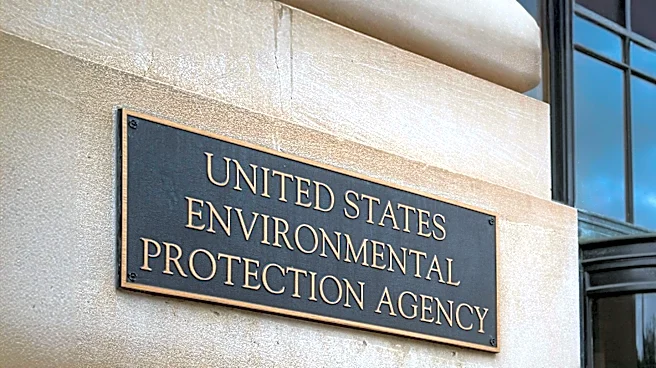
Rep. Vince Fong has introduced H.J.Res. 210, a joint resolution aimed at overturning a specific Environmental Protection Agency (EPA) rule. This EPA rule, which granted a Clean Air Act waiver, limits pollution from ocean-going vessels while they are docked
at port. The Biden Administration issued this rule in 2023, allowing California to enforce regulations that compel certain cargo ships to turn off their diesel engines at California ports or face significant penalties. House Republicans are actively supporting this legislation, viewing it as a measure to roll back what they describe as a costly Biden-era regulation. The resolution is intended to address concerns about rising costs for American families and potential disruptions to supply chains, particularly given that California hosts two of the largest U.S. ports and processes approximately 40% of containers entering the country.
Why It's Important?
This legislative effort is significant because it directly challenges a federal environmental regulation with broad economic implications. The EPA rule, by imposing penalties on ships that do not comply with the emissions standards, could lead to increased operational costs for shipping companies. These costs are likely to be passed on to consumers, potentially resulting in higher prices for goods across the United States. Given California's critical role in the nation's supply chain, any regulation affecting its ports can have a ripple effect on national commerce and consumer spending. The resolution highlights a tension between environmental protection goals and economic concerns, with House Republicans prioritizing cost reduction and supply chain stability over the current environmental mandate for port operations.
What's Next?
H.J.Res. 210 is currently before the House Rules Committee, with a floor vote anticipated. If passed by the House, the resolution would then move to the Senate for consideration. Should it pass both chambers, it would proceed to the President for signature or veto. The outcome will depend on the level of bipartisan support the resolution can garner and the administration's stance on the EPA rule. Stakeholders, including shipping companies, environmental groups, and consumer advocates, will likely monitor the legislative process closely, as the resolution's success or failure will have direct consequences for their respective interests.
Beyond the Headlines
The debate surrounding H.J.Res. 210 extends beyond immediate economic impacts, touching upon broader themes of federal regulatory power, states' rights in environmental policy, and the balance between environmental protection and economic competitiveness. The EPA's waiver allowing California to enforce stricter emissions standards reflects a trend where states with significant environmental concerns seek to implement regulations beyond federal minimums. Overturning such a rule could set a precedent regarding the federal government's role in supporting or curtailing state-led environmental initiatives, potentially influencing future environmental policy debates and the regulatory landscape for industries operating across state lines.