


What's Happening?
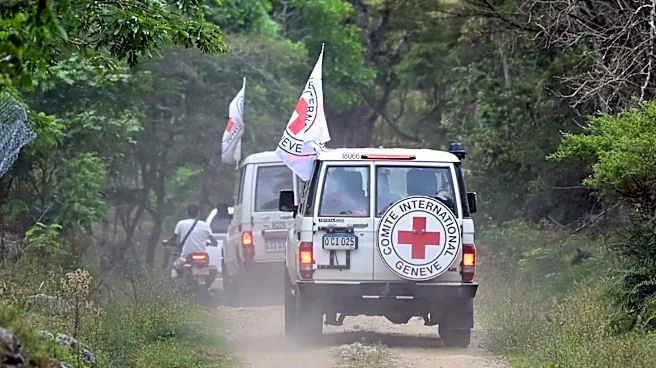
The International Committee of the Red Cross (ICRC) has issued a stark warning regarding the escalating hostilities across the Middle East, stating that a further intensification could lead to "disastrous" consequences for tens of millions of people.
ICRC President Mirjana Spoljaric emphasized that civilians are currently paying an unacceptable price due to military operations in the region, citing deaths, injuries, displacement, and widespread destruction, including damage to civilian infrastructure. The ICRC is calling for urgent efforts to de-escalate the situation and ensure the protection of civilians. Spoljaric highlighted the critical importance of adhering to international humanitarian law, which mandates that parties to armed conflicts distinguish between civilian and military targets and spare civilians and civilian objects from attack. The organization also pointed out that attacks on essential infrastructure, such as ports and airports, could severely impact communities reliant on these facilities, disrupting the movement of people and goods and hindering access to vital supplies and services.
Why It's Important?
This warning from the ICRC underscores the severe humanitarian crisis unfolding in the Middle East and its potential to worsen significantly. The emphasis on international humanitarian law highlights the global legal framework designed to protect non-combatants and essential services during conflict, a framework that the ICRC believes is being increasingly disregarded. The potential for "disastrous" consequences for tens of millions of people signifies a large-scale humanitarian catastrophe, which could lead to mass displacement, increased refugee flows, and a greater need for international aid. Damage to critical infrastructure not only exacerbates immediate suffering but also cripples long-term recovery efforts, affecting economic stability and public health in the region. The call for de-escalation is crucial for preventing further loss of life and mitigating the broader destabilizing effects that such conflicts have on regional and international security.
What's Next?
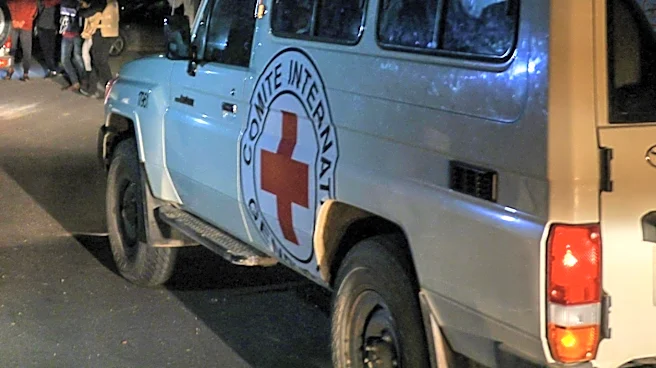
The ICRC's call for urgent de-escalation places pressure on all parties involved in the Middle East conflicts to reconsider their military strategies and prioritize civilian protection. International bodies and diplomatic channels are likely to intensify efforts to mediate and encourage adherence to international humanitarian law. The focus will be on preventing further attacks on civilian infrastructure and ensuring safe humanitarian access to affected populations. The ICRC will continue its work on the ground, providing assistance and advocating for the humane treatment of those impacted by the conflict. The international community will also be watching for any signs of increased diplomatic engagement or, conversely, further escalation, which could trigger more severe humanitarian responses and potentially broader geopolitical interventions.
Beyond the Headlines
The ICRC's warning extends beyond immediate humanitarian concerns, touching upon the erosion of international humanitarian law and the principles of war. The repeated disregard for civilian protection and essential infrastructure sets a dangerous precedent, potentially normalizing such actions in future conflicts. This could lead to a more brutal and less regulated form of warfare, with devastating long-term consequences for global stability and human rights. The interconnectedness of critical infrastructure means that damage in one area can have ripple effects across entire regions, impacting trade, supply chains, and the ability of states to provide basic services. The ethical implications of targeting civilian life-support systems are profound, challenging the very foundations of international law and humanitarian principles. The situation also highlights the limitations of international organizations when their calls for adherence to established norms are not heeded by warring parties.