
What's Happening?
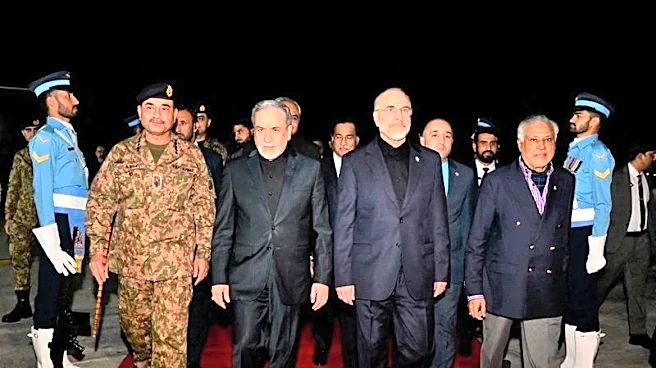
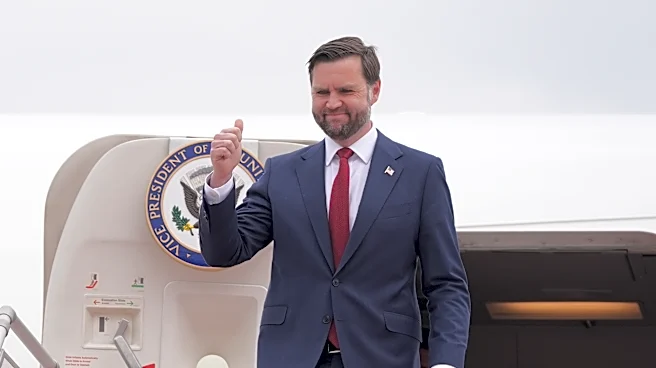
Senior officials from the United States and Iran have convened in Islamabad, Pakistan, for ceasefire negotiations as violence persists across the region. The Iranian delegation, led by parliamentary speaker
Mohammad Bagher Ghalibaf and Foreign Minister Abbas Araghchi, is engaging with US representatives including Vice President JD Vance, special envoy Steve Witkoff, and Jared Kushner. The talks aim to address escalating tensions following recent conflicts, with the US expressing readiness to negotiate if Iran demonstrates good faith. Despite diplomatic efforts, the situation remains volatile, with significant casualties reported in Lebanon due to Israeli attacks. Iran has expressed distrust towards the US, emphasizing the need for recognition of its rights in any potential agreement.
Why It's Important?
The ceasefire talks between the US and Iran hold significant implications for regional stability and international relations. Successful negotiations could lead to a reduction in hostilities and pave the way for diplomatic resolutions to ongoing conflicts. The discussions are crucial for addressing the humanitarian crisis in Lebanon, where recent Israeli military actions have resulted in numerous casualties. Additionally, the talks could impact global energy markets, as disruptions in the Strait of Hormuz have affected oil supplies. The outcome of these negotiations may influence US foreign policy priorities, balancing interests between regional allies and broader geopolitical strategies.
What's Next?
The negotiations in Islamabad are expected to continue, with both sides seeking to reach a consensus that could lead to a formal ceasefire. The US has urged Israel to pause its military operations against Hezbollah in Lebanon to facilitate the talks. As the ceasefire deadline approaches, stakeholders are closely monitoring developments, with potential implications for regional alliances and international diplomatic efforts. The US administration faces pressure to achieve a swift resolution to ease economic strains, particularly concerning energy supply disruptions. The outcome of these talks may also affect future US-Iran relations and broader Middle Eastern dynamics.
Beyond the Headlines
The ceasefire talks highlight the complex interplay of regional politics, with Iran demanding recognition of its rights and expressing skepticism towards US intentions. The negotiations underscore the challenges of balancing national interests with international diplomacy, as both countries navigate historical tensions and strategic priorities. The talks also reflect broader geopolitical shifts, with implications for US influence in the Middle East and its relationships with regional allies. The humanitarian impact of ongoing conflicts remains a critical concern, emphasizing the need for effective diplomatic solutions to address the crisis.