









What's Happening?
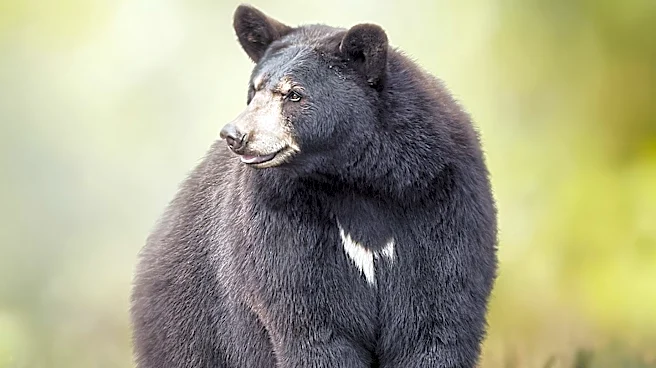
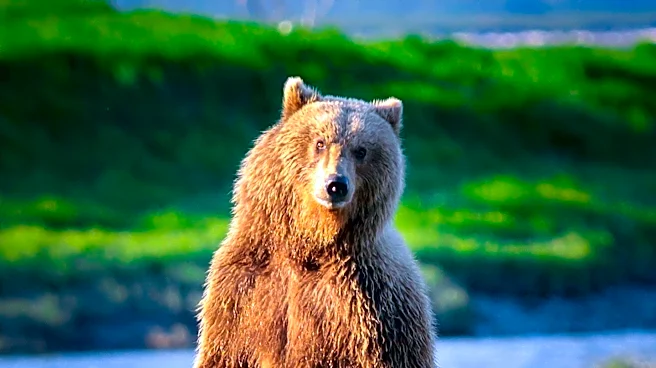
A group of hikers in Alaska had a close encounter with a grizzly bear while on a trail at the Anan Creek Wildlife Observatory. The hikers, who had been observing bears in the area, unexpectedly came face-to-face with a grizzly bear named 'Scuba Sue' as it was
hunting for salmon. The hikers relied on park ranger safety protocols to manage the situation, which involved talking to the bear and slowly backing away to give it space to pass. The encounter was captured on video, showing the bear approaching the hikers before moving on without incident. The hikers had been briefed by park rangers about the presence of bears in the area and were aware of the delayed salmon run, which had left local wildlife hungry.
Why It's Important?
This incident underscores the importance of wildlife safety education and preparedness for those venturing into bear habitats. The hikers' ability to remain calm and follow safety protocols likely prevented a potentially dangerous situation. Such encounters highlight the need for awareness about the natural behaviors of wildlife and the impact of environmental changes, such as delayed salmon runs, on animal behavior. The event also serves as a reminder of the delicate balance between human activities and wildlife conservation, emphasizing the role of park rangers and safety guidelines in ensuring both human and animal safety.
What's Next?
The National Park Service continues to provide guidelines for hikers in bear-populated areas, advising them to identify themselves to bears by talking calmly and avoiding sudden movements. As the salmon run progresses, it is expected that the bears will have more access to food, potentially reducing the frequency of such encounters. However, ongoing education and adherence to safety protocols remain crucial for those exploring natural habitats. The park service may also review and update its safety briefings to address any new challenges posed by environmental changes.