



What's Happening?
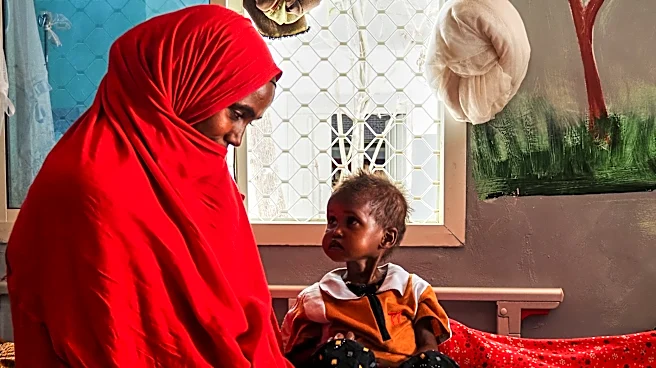
Sudan is facing a severe hunger crisis as ongoing civil war exacerbates food shortages across the country. According to the United Nations-backed Integrated Food Security Phase Classification (IPC), over 40% of Sudan's population is struggling with acute
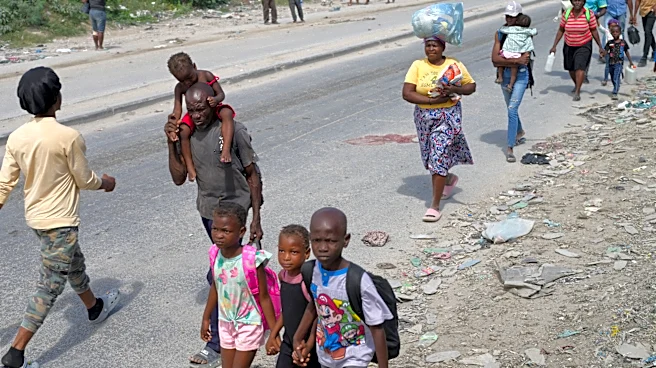
food insecurity due to the conflict between the Sudanese Armed Forces and the paramilitary Rapid Support Forces. The situation is particularly dire in regions like North Darfur, South Darfur, and South Kordofan, where about 135,000 people are experiencing catastrophic hunger levels. Humanitarian access is severely restricted, and the crisis is expected to worsen with the onset of the rainy season, which traditionally brings food shortages. The conflict has also led to the destruction of health facilities, further complicating the humanitarian response.
Why It's Important?
The deepening hunger crisis in Sudan has significant implications for the region and the international community. With nearly 20 million people affected, the crisis poses a severe humanitarian challenge, requiring urgent international attention and aid. The conflict has crippled Sudan's health system, leaving many without access to essential medical care. The reliance on imports for fertilizers and fuel, coupled with geopolitical tensions affecting supply routes, further complicates the situation. The crisis highlights the need for a coordinated international response to address both the immediate humanitarian needs and the underlying causes of the conflict.
What's Next?
As Sudan enters its rainy season, the situation is expected to deteriorate further, with heavy rains likely to disrupt aid deliveries. Humanitarian organizations are calling for increased international support to address the crisis. The ongoing conflict and geopolitical tensions could lead to further disruptions in supply chains, exacerbating the food shortages. The international community's response will be crucial in mitigating the impact of the crisis and supporting Sudan's recovery efforts.
Beyond the Headlines
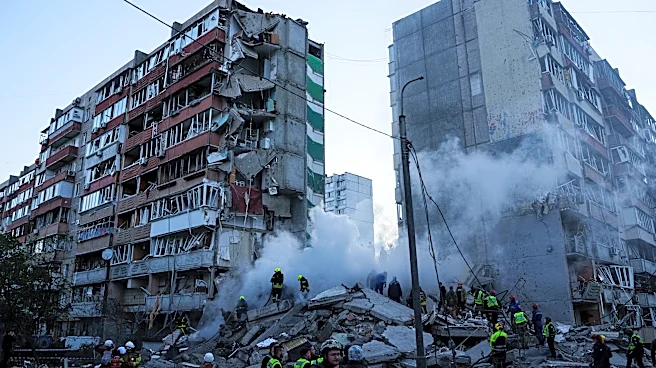
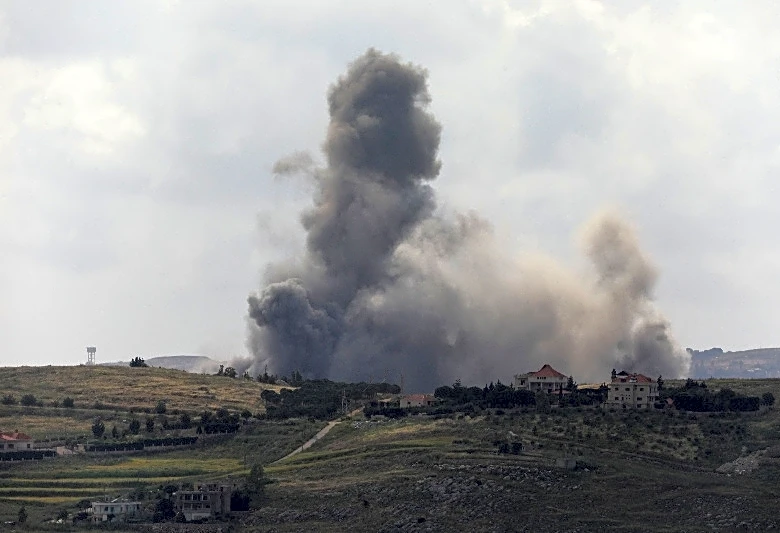
The crisis in Sudan underscores the broader challenges of addressing humanitarian needs in conflict zones. The use of drone warfare and the destruction of civilian infrastructure highlight the complexities of modern conflicts and their impact on civilian populations. The situation also raises ethical questions about the international community's responsibility to intervene and provide aid in such crises. Long-term solutions will require addressing the root causes of the conflict and supporting sustainable development in the region.