
What's Happening?
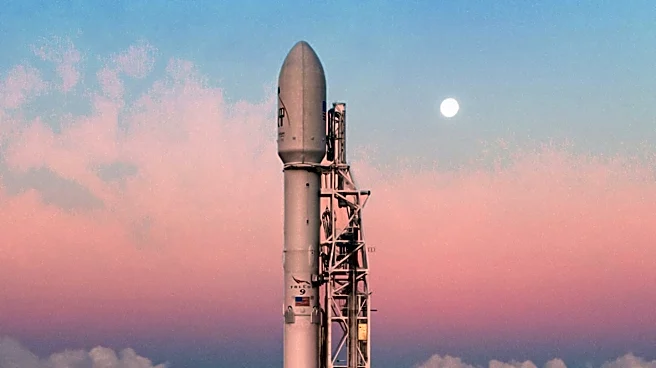
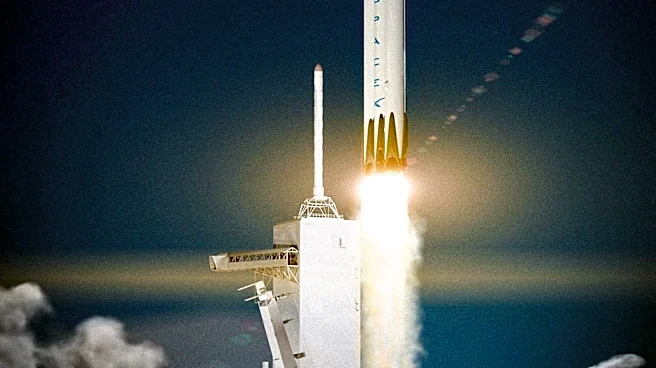
A SpaceX Falcon 9 rocket, adrift for over a year, is set to crash into the moon, creating a debris cloud visible from Earth. The rocket, part of a mission that successfully delivered lunar landers, lacked
the fuel to return or stabilize in orbit. The impact, expected to occur near Einstein Crater, will generate a significant explosion and crater. This event raises concerns about the increasing risk of space debris as lunar exploration intensifies. The crash serves as a reminder of the potential hazards for future lunar bases, with multiple countries planning missions that could clutter the moon's vicinity.
Why It's Important?
The impending crash underscores the growing challenge of managing space debris, particularly as more nations and private companies pursue lunar exploration. The risk of debris impacts poses a significant threat to future lunar infrastructure and human activities on the moon. Understanding and mitigating these risks is crucial for the safety and success of long-term lunar projects, including NASA's Artemis program. The event also highlights the need for international cooperation and regulation to address space debris and ensure sustainable exploration practices.
What's Next?
As lunar exploration efforts continue, researchers and space agencies will need to develop strategies to monitor and mitigate the risks posed by space debris. This includes improving tracking systems and establishing guidelines for debris management. The lessons learned from the Falcon 9 crash will inform future missions and the design of lunar bases, ensuring they can withstand potential impacts. Ongoing research will focus on understanding the hazards and developing technologies to protect lunar infrastructure and astronauts.