




What's Happening?
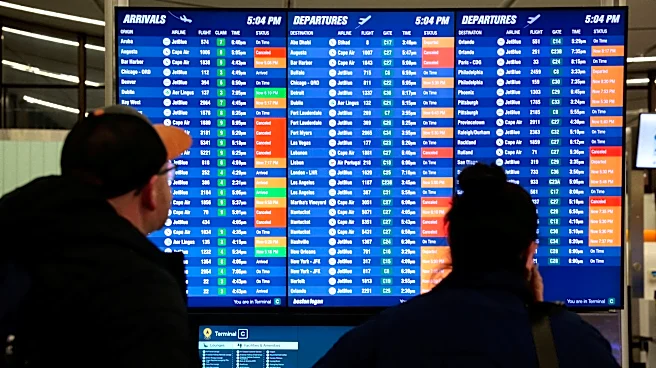
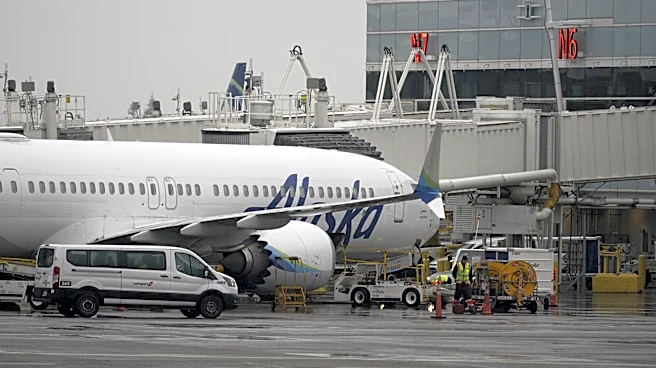
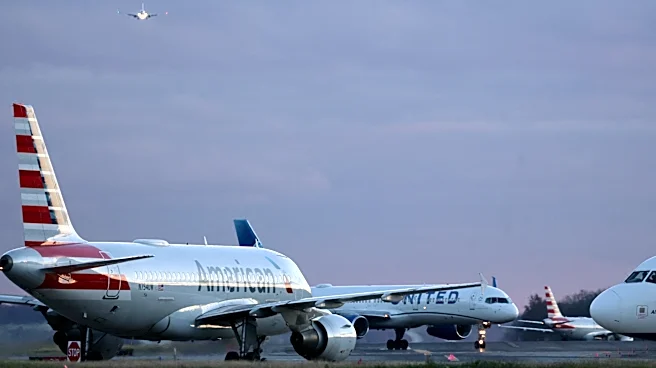
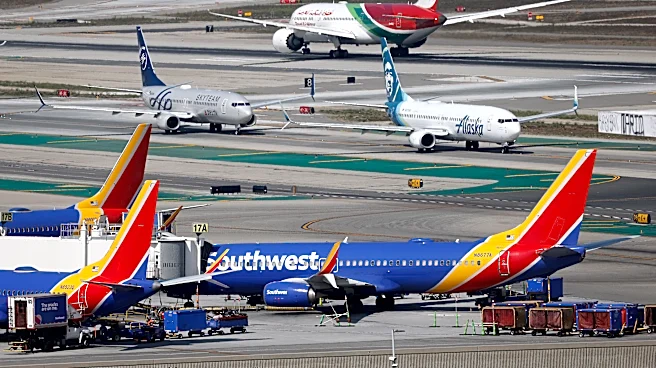
The U.S. Federal Aviation Administration (FAA) implemented a nationwide ground stop for all departing flights across the United States due to a temporary communications outage. This measure was taken out of an abundance of caution as technicians investigate
the issue affecting air traffic control towers. The disruption, which began around 3:30 PM on a Friday, has led to significant delays and cancellations not only within the U.S. but also at Canadian airports, particularly those with U.S.-bound or international flights crossing U.S. airspace. Vancouver International Airport reported 176 canceled or delayed flights, with dozens more affected at other major Canadian airports like Victoria, Kelowna, and Cranbrook. Air Canada has indicated that flights to and from the Caribbean and South America may also experience impacts, though flights already in progress were permitted to continue. Officials have stated there are currently no signs of a cybersecurity incident.
Why It's Important?
This widespread communications outage and subsequent ground stop underscore the critical reliance of modern air travel on robust and uninterrupted technological infrastructure. The immediate impact is a significant economic cost due to flight delays and cancellations, affecting airlines, airports, and countless travelers. For the U.S. economy, such disruptions can ripple through various sectors, including tourism, logistics, and business travel, potentially leading to lost productivity and revenue. The incident also highlights national security implications, as air traffic control systems are vital for managing airspace and responding to emergencies. The FAA's swift action to halt flights, while disruptive, prioritizes safety, demonstrating the agency's commitment to preventing potential mid-air incidents that could arise from communication failures. The lack of a cybersecurity incident suggests a technical malfunction, but it also raises questions about the resilience and redundancy of critical national infrastructure.
What's Next?
The FAA is actively investigating the cause of the communications outage, with technicians working to resolve the issue. Once the problem is identified and rectified, the FAA will lift the ground stop, allowing flights to resume. However, the cascading effects of the disruption, including aircraft out of position and crew scheduling challenges, will likely lead to continued delays and cancellations for an extended period. Airlines like WestJet have already advised passengers to expect longer call center wait times and to regularly check their flight status. The incident may prompt a review of the FAA's communication systems and protocols to prevent similar occurrences in the future, potentially leading to investments in system upgrades and enhanced redundancy measures. Travelers should anticipate ongoing travel disruptions and remain in close contact with their airlines for the latest updates on their flights.
Beyond the Headlines
Beyond the immediate operational challenges, this incident brings to light the broader vulnerability of interconnected global systems to single points of failure. The reliance on complex digital networks for essential services like air traffic control means that even a temporary glitch can have far-reaching consequences across international borders. This event could spark renewed discussions about the need for greater resilience in critical infrastructure, potentially influencing policy decisions regarding technology investments and disaster preparedness in the aviation sector. It also serves as a stark reminder of the human element in technology, as the 'abundance of caution' exercised by the FAA reflects a commitment to safety that transcends the technical details of the outage. The incident may also fuel public debate on the balance between technological advancement and the need for robust, fail-safe manual or analog backups in critical systems.