



What's Happening?
Dr. Thamara Laredo, a chemistry professor at Lakehead University, in partnership with the City of Orillia, conducted a study at Couchiching Beach Park to investigate sources of microplastic pollution. The research, which involved surveying litter and
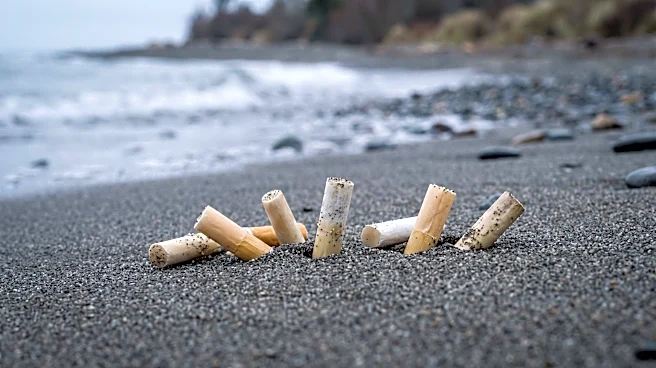
analyzing fragmentation patterns, found that plastics constituted approximately 90% of all litter in the park. Notably, cigarette butts, with filters made of cellulose acetate, were identified as the number-one source of plastic pollution. Food packaging, including granola bar wrappers, chip bags, and juice boxes, was the second highest source. Microplastics, defined as any plastic piece smaller than 5 mm, are a significant concern because they can break down into even smaller nanoplastics that can cross the blood-brain barrier in animals and humans, and contribute to biomagnification in aquatic food chains. The study also found litter hotspots in areas inaccessible to beach grooming equipment and recommended earlier cleaning by park staff to prevent microplastic migration into the water.
Why It's Important?
This research is important because it highlights a significant and often overlooked source of microplastic pollution: cigarette butts. Many people are unaware that cigarette filters are made of plastic, contributing to environmental contamination. For the U.S., where cigarette consumption remains high, these findings suggest a widespread and underestimated problem in freshwater ecosystems across the country. The biomagnification process described, where microplastics move up the food chain from small fish to larger fish and eventually to humans, poses potential health risks and ecological damage. This study could prompt U.S. environmental agencies and public health organizations to launch awareness campaigns about the plastic content in cigarette butts and advocate for stricter disposal regulations or the development of biodegradable alternatives. It also underscores the need for comprehensive waste management strategies that address all forms of plastic litter, not just larger items.
What's Next?
Following Dr. Laredo's research, a key next step is the implementation of awareness campaigns to educate the public about the dangers of cigarette butts as a source of plastic pollution. This could involve placing signs at public parks and beaches, similar to the recommendation made for Couchiching Beach Park. For U.S. municipalities and environmental groups, this research provides a clear impetus to re-evaluate current litter prevention strategies and focus on specific items like cigarette butts and food packaging. Further research may explore the long-term health impacts of microplastic ingestion in humans and animals, potentially leading to new public health guidelines. Additionally, there could be increased pressure on tobacco companies to develop truly biodegradable cigarette filters. The findings also suggest a need for improved waste collection and cleaning practices in public spaces, particularly in areas prone to litter accumulation.
Beyond the Headlines
The study's findings delve into the less obvious implications of everyday waste. The revelation that cigarette butts are a major source of microplastics challenges common perceptions about their biodegradability and highlights a significant gap in public understanding. This points to a broader cultural issue of disposable consumer habits and a lack of awareness regarding the environmental impact of seemingly innocuous items. Ethically, it raises questions about corporate responsibility in producing products with non-biodegradable components and the need for clearer labeling. Legally, it could pave the way for new regulations on product design and waste disposal, potentially leading to bans on plastic-filtered cigarettes or mandates for biodegradable alternatives. The study also underscores the interconnectedness of human activities and environmental health, demonstrating how small, individual actions, like flicking a cigarette butt, contribute to a large-scale ecological problem with far-reaching consequences for ecosystems and human well-being.