
What's Happening?
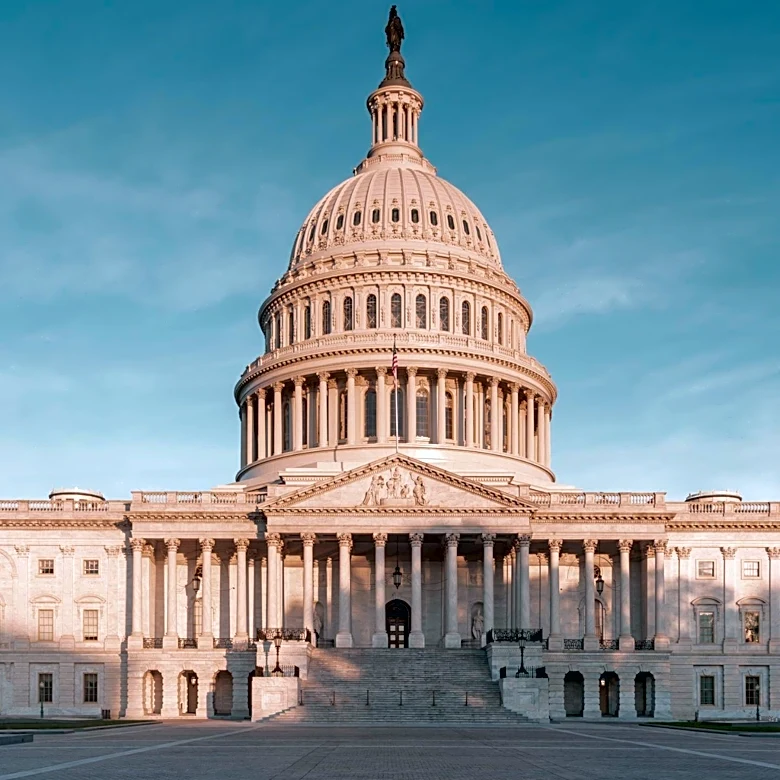
U.S. Senators Brian Schatz and Mazie Hirono, both Democrats from Hawai'i, recently introduced a Senate resolution to officially designate September 2026 as Hawaiian History Month. This resolution aims to recognize and celebrate the rich history, culture,
and contributions of Native Hawaiians and the state of Hawai'i. Senator Schatz emphasized that Hawaiian cultural traditions and values are integral to what makes Hawai'i unique, and this month would provide an opportunity to honor the Native Hawaiian community and reaffirm the commitment to protecting Native Hawaiian rights. Senator Hirono added that Hawai'i's narrative is deeply rooted in the wisdom, leadership, and enduring heritage of Native Hawaiians, and she is proud to acknowledge their immeasurable contributions across the islands and nationwide. The state of Hawai'i has already designated September as Hawaiian History Month to raise public awareness of Native Hawaiian history and culture. The resolution outlines five key goals, including honoring Native Hawaiian contributions globally, recognizing the significance of Public Law 103–150 and ongoing reconciliation efforts, commending the revitalization of Native Hawaiian language and culture, encouraging federal agencies and educational institutions to observe the month, and calling on federal agencies to promote programs that acknowledge the special political and trust relationship with the Native Hawaiian Community. Public Law 103-150, enacted in 1993, acknowledged the 100th anniversary of the illegal overthrow of the Kingdom of Hawai'i, expressing U.S. regret and affirming Native Hawaiian inherent sovereignty.
Why It's Important?
The designation of September as Hawaiian History Month at the federal level holds significant cultural and political importance for the United States. It formally acknowledges the unique heritage and historical injustices faced by Native Hawaiians, including the unlawful overthrow of the Kingdom of Hawai'i in 1893 with U.S. military support. This recognition can foster a deeper understanding of indigenous history within the broader American narrative, promoting reconciliation and cultural preservation. For Native Hawaiians, it provides a national platform to celebrate their identity, language, and traditions, which have undergone significant revitalization efforts. The resolution's emphasis on Public Law 103–150 underscores ongoing efforts to address historical grievances and uphold the inherent sovereignty of the Native Hawaiian people. Furthermore, by encouraging federal agencies and educational institutions to observe Hawaiian History Month, the resolution aims to integrate Native Hawaiian history and culture into national educational curricula and public discourse, potentially influencing policy decisions related to indigenous rights and cultural funding. This initiative could also serve as a model for recognizing and honoring other indigenous communities across the U.S., contributing to a more inclusive national identity.
What's Next?
Following the introduction of the resolution, the next step will involve its consideration and potential passage in the Senate. If passed, the designation of September as Hawaiian History Month would become a formal federal recognition, encouraging widespread observance. Federal agencies, educational institutions, and civil society organizations would be called upon to implement appropriate programs, ceremonies, and educational activities throughout September. This could lead to increased funding and support for Native Hawaiian cultural programs, language revitalization efforts, and historical research. The resolution's call for federal agencies to promote programs recognizing the special political and trust relationship with the Native Hawaiian Community suggests potential future policy initiatives aimed at strengthening this relationship. Additionally, the formal recognition could inspire similar legislative efforts to acknowledge and celebrate the histories and cultures of other indigenous groups within the United States, fostering a more comprehensive and inclusive approach to national heritage. The ongoing efforts to achieve reconciliation, as highlighted by the resolution, indicate a continued focus on addressing historical injustices and affirming Native Hawaiian rights.
Beyond the Headlines
Beyond the immediate recognition, the designation of Hawaiian History Month carries deeper implications for national identity and historical accountability. It challenges a historically Eurocentric view of American history by formally integrating the narrative of Native Hawaiians, including the acknowledgment of the Kingdom's unlawful overthrow. This move can contribute to a broader societal shift towards recognizing and rectifying past wrongs against indigenous populations. Ethically, it underscores the importance of historical truth and reconciliation in building a more just society. Culturally, it reinforces the value of indigenous languages and traditions, promoting their preservation and revitalization in the face of historical suppression. The resolution also highlights the ongoing political and trust relationship between the U.S. government and the Native Hawaiian Community, suggesting a framework for future policy development that respects indigenous sovereignty and self-determination. This initiative could set a precedent for how the U.S. addresses its colonial past and fosters a more inclusive understanding of its diverse heritage, influencing educational practices and public discourse for generations to come.