
What's Happening?
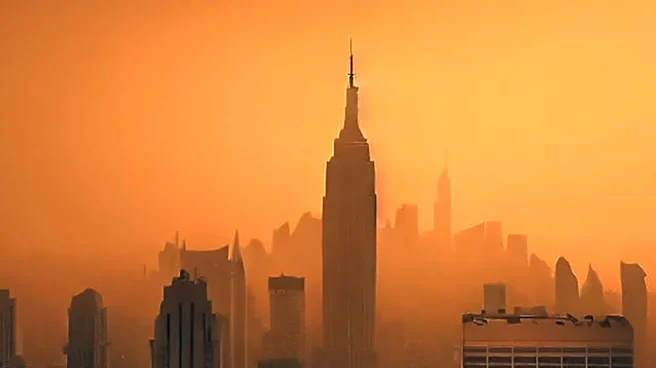
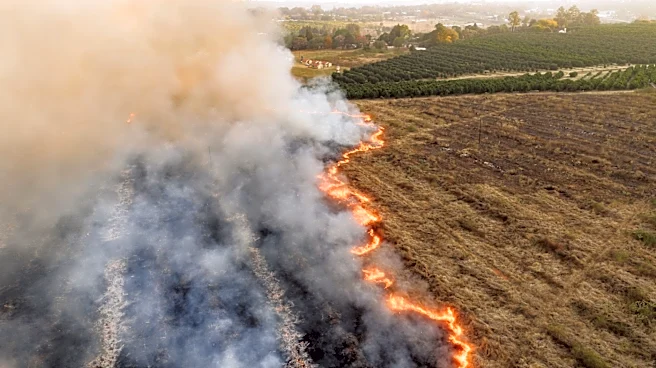
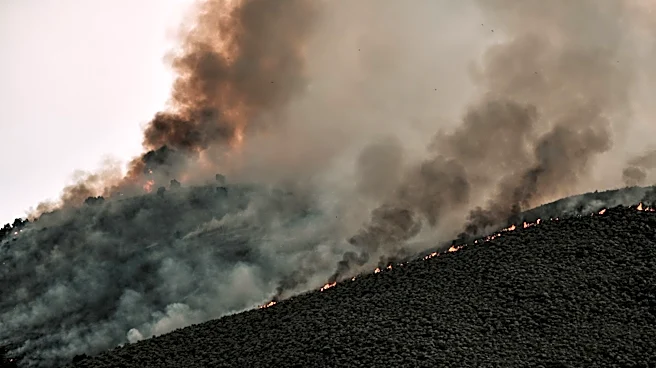
As wildfires continue to devastate regions across Canada and the American West, federal forecasters have announced the formation of an El Niño climate pattern in the tropical Pacific Ocean. This phenomenon,
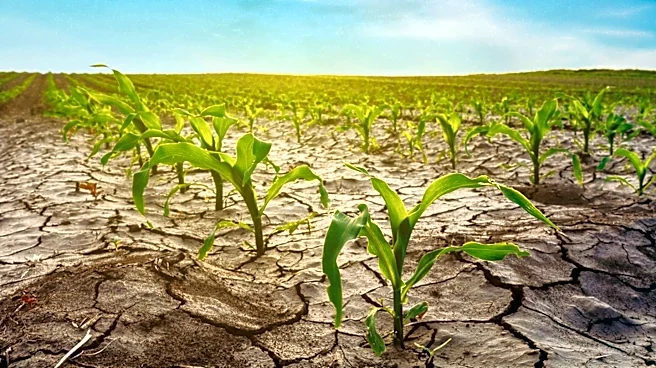
which occurs every two to seven years, is expected to bring wetter conditions to the Southern United States, potentially reducing wildfire risks. However, experts caution that the effects of El Niño will not be felt until next year. The National Oceanic and Atmospheric Administration (NOAA) predicts this El Niño will be particularly strong, promising a wet winter that could lead to a milder wildfire season in the following summer. Despite this, the Western U.S. is currently experiencing the aftermath of a hot winter and low snowpack, exacerbated by the recent La Niña, which brought drier conditions.
Why It's Important?
The announcement of El Niño's formation is significant as it offers a potential reprieve from the severe wildfire conditions currently affecting large parts of North America. The wetter conditions associated with El Niño could help mitigate the risk of wildfires by keeping vegetation moist. This is particularly crucial for the Southern U.S., which could see a reduction in wildfire activity. However, the Northern U.S. may experience drier and warmer conditions, which could complicate the overall impact of El Niño. Understanding these climate patterns is vital for preparing and managing future wildfire risks, as well as for informing public policy and resource allocation in affected regions.
What's Next?
While El Niño's effects are anticipated to bring relief, they will not be immediate. The Southwestern U.S. is unlikely to experience the dampening effects of El Niño until next year. In the meantime, regions affected by wildfires must continue to manage the current crisis. NOAA researchers emphasize that while El Niño can reduce the likelihood of an active fire season, it does not eliminate the risk entirely. Ongoing monitoring and adaptation strategies will be essential to address the complex interplay of climate factors influencing wildfire activity.