








What's Happening?
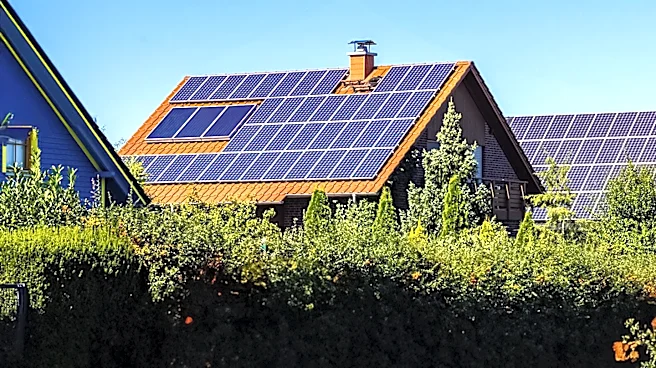
A new initiative, the Southwest Ohio 2026 Solar Co-op, has been launched by the nonprofit Solar United Neighbors and the city of Cincinnati. This program aims to make solar panel installations more affordable for homeowners and small businesses across
12 counties in Southwest Ohio. By enabling participants to purchase solar panels in bulk, the co-op leverages volume discounts, potentially saving individuals 10-20% off standard installation costs. Nikki Vandivort, clean energy and climate resilience manager for Cincinnati, likened the bulk purchasing model to warehouse clubs, where larger quantities lead to lower per-unit prices. The co-op also provides educational resources and guidance throughout the installer selection process, helping participants determine if solar energy is suitable for their properties. This program follows the expiration of federal tax credits for individual homeowners at the end of 2025, with the city seeking to continue expanding access to renewable energy and support its Green Cincinnati Plan goals to reduce greenhouse gas emissions and improve energy resilience. The co-op is free to join, and participants have until December 1, 2026, to decide on moving forward with an installation contract.
Why It's Important?
This solar co-op is significant for several reasons, primarily its potential to democratize access to renewable energy in Southwest Ohio. By reducing the financial barrier to solar panel installation, it makes clean energy more attainable for a broader segment of the population, including homeowners and small businesses. This initiative directly supports Cincinnati's Green Cincinnati Plan, contributing to local efforts to combat climate change by reducing reliance on fossil fuels and lowering greenhouse gas emissions. As electricity prices continue to rise, adopting solar energy offers participants a way to achieve long-term savings on utility bills, enhancing energy independence and financial stability for households. The program also fosters community engagement around sustainable practices, providing education and support that can empower more residents to make informed decisions about their energy consumption. Furthermore, by creating a larger market for solar installers, the co-op can stimulate local economic activity within the renewable energy sector, potentially leading to job creation and further investment in green technologies.
What's Next?
The Southwest Ohio 2026 Solar Co-op is currently open for enrollment, with a webinar scheduled to provide more information to interested residents. Participants who join the co-op will have until December 1, 2026, to finalize their decision on installing solar panels and signing a contract with the chosen installer. Following the selection of an installer through a competitive bidding process organized by Solar United Neighbors, members will proceed with individual installations. The city of Cincinnati also operates a separate solar co-op program for local nonprofits, schools, and houses of worship, called Solarizing Southwest Ohio Nonprofits, which aims to assist these organizations before federal tax credits for them expire at the end of 2027. These ongoing efforts indicate a sustained push by Cincinnati and its partners to expand renewable energy adoption across various sectors, suggesting future similar initiatives may be launched to continue supporting climate goals and energy resilience in the region.
Beyond the Headlines
The launch of the Southwest Ohio Solar Co-op highlights a growing trend in local and regional efforts to fill gaps left by expiring federal incentives for renewable energy. This community-based approach to solar adoption underscores a shift towards localized solutions for climate action and energy independence. It also reflects a broader societal recognition of the economic benefits of solar power, moving beyond purely environmental motivations. The co-op model fosters a sense of collective action and shared responsibility in addressing climate change, potentially building stronger, more resilient communities. Ethically, it promotes equitable access to clean energy, ensuring that the benefits of renewable technology are not exclusive to higher-income households. Legally, such initiatives navigate the evolving landscape of energy policy, demonstrating how local governments and nonprofits can innovate to support sustainable development even as federal policies change. This model could serve as a blueprint for other regions looking to accelerate their transition to clean energy through collective purchasing power and educational outreach.