





What's Happening?
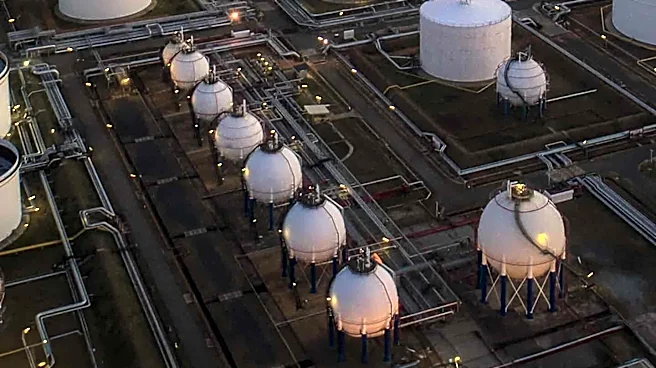
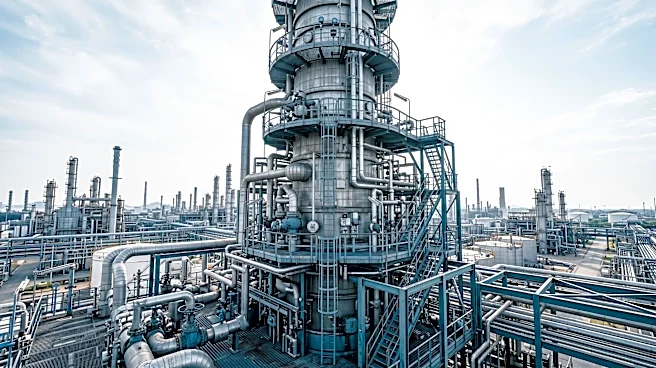
A prolonged shutdown of a major refinery belt in the United States would significantly reduce the supply of finished fuels like gasoline, diesel, and jet fuel. The U.S. refining capacity is heavily concentrated along the Gulf Coast, with other key regions
in the Midwest and West Coast. A disruption in any of these areas, particularly the Gulf Coast which accounts for over half of U.S. refining capacity, could impact fuel markets hundreds of miles away. For instance, the Southeast and East Coast are highly dependent on refined products transported from the Gulf Coast via pipelines like the Colonial Pipeline and marine shipments. Existing fuel inventories would offer an initial buffer, but these are finite and would diminish during a prolonged interruption, leading to widespread shortages as distributors compete for dwindling supplies.
Why It's Important?
The potential for refinery shutdowns to cause widespread fuel shortages carries significant economic and societal implications for the U.S. A disruption would lead to increased wholesale and retail fuel prices, impacting consumers and businesses alike. Diesel, crucial for trucking, agriculture, and industrial operations, would be a major concern, potentially raising operating expenses for farmers and increasing food transportation costs. The East Coast, with its limited refining capacity, is particularly vulnerable, relying heavily on supplies from other regions. Such an event could strain emergency supplies, disrupt transportation schedules, and highlight the critical need for resilient energy infrastructure. The 2021 Colonial Pipeline shutdown demonstrated how quickly fuel deliveries can be interrupted, but a widespread refining outage would be even more challenging to resolve.
What's Next?
In the event of a refinery shutdown, the immediate response would involve drawing on existing fuel inventories and seeking replacement supplies through alternative pipelines, marine deliveries, or imports. Federal and state agencies would likely coordinate with refinery operators and distributors to assess shortages and identify available transportation routes. The federal Strategic Petroleum Reserve, which stores crude oil, could support refinery operations, but it does not directly replace finished fuels. The recovery time would depend on the cause and extent of the shutdown, with major damage requiring extensive repairs and potentially staged restarts. Long-term strategies might include investments in diversified supply routes, increased regional storage, and enhanced infrastructure resilience to mitigate future disruptions.
Beyond the Headlines
The vulnerability of the U.S. fuel supply to refinery shutdowns highlights a critical national security and economic stability concern. The concentration of refining capacity in specific geographic areas creates single points of failure that could be exploited or disrupted by natural disasters, cyberattacks, or other unforeseen events. This situation underscores the ongoing debate about energy infrastructure modernization, the balance between centralized efficiency and distributed resilience, and the potential for geopolitical events to impact domestic energy markets. The economic ripple effects, from increased transportation costs to higher food prices, could disproportionately affect lower-income households and small businesses, raising questions about economic equity and preparedness for energy shocks. It also emphasizes the need for robust contingency planning and inter-agency coordination to safeguard essential services and economic stability during such crises.