






What's Happening?
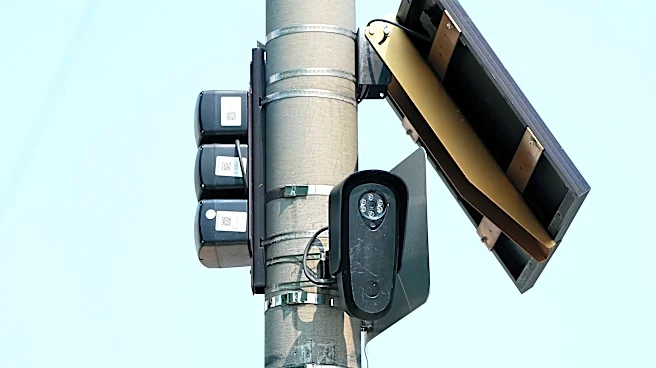
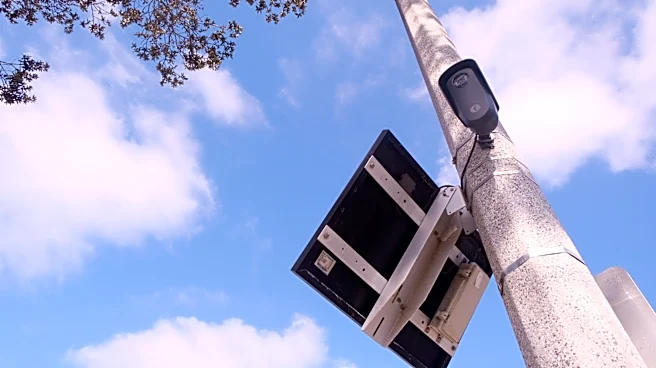
Grand Rapids City Manager Mark Washington has announced an administrative order to place the Grand Rapids Police Department’s (GRPD) automated license plate reader (ALPR) system under the city’s Surveillance Technology Policy. This decision, influenced
by feedback from the City Commission and Public Safety Committee, aims to enhance transparency regarding police technology and bolster public trust. The order will require future purchases, renewals, or expansions of ALPR systems to undergo review by the Public Safety Committee and approval by the City Commission, aligning with the process for other surveillance technologies. While GRPD has utilized ALPRs for over a decade, with the initial system approved in 2012 before the Surveillance Technology Policy was adopted, newer systems, including Flock, were previously treated as replacements and thus exempt. The administrative order will now apply all governance, oversight, reporting, complaint, audit, and transparency rules of Administrative Policy 15-03 to ALPR systems. The 31 existing ALPR units will continue to operate, but their subsequent renewal will require Public Safety Committee review and City Commission approval. The order also mandates adherence to the Surveillance Technology Policy if GRPD activates new surveillance features or expands the system before current contracts conclude, and defines prohibited uses of existing ALPR technology consistent with current laws and city policies.
Why It's Important?
This move by Grand Rapids is significant as it addresses growing public concerns about privacy and accountability in the deployment of surveillance technologies. By bringing ALPR systems under a comprehensive surveillance policy, the city is establishing a framework for greater oversight and public engagement. This initiative aims to balance the perceived benefits of ALPRs in crime solving and locating missing persons with the public's right to privacy. The policy ensures that decisions regarding surveillance technology are not solely made by law enforcement but involve public review and approval, fostering trust between the community and police. The requirement for annual reporting and public hearings on surveillance tools, as outlined in Administrative Policy 15-03, provides a mechanism for continuous evaluation and adaptation of these technologies. This approach could serve as a model for other municipalities grappling with similar issues, demonstrating a commitment to transparency and civil liberties while still leveraging technology for public safety. The emphasis on defining prohibited uses and auditing searches also aims to prevent misuse, which has been a significant point of contention in other jurisdictions.
What's Next?
The administrative order is expected to be issued by mid-September. Following its implementation, any future acquisition, renewal, or expansion of ALPR systems by the GRPD will be subject to review by the Public Safety Committee and approval by the City Commission. The GRPD's August 25 presentation on ALPR technology will serve as the annual report for 2026, with subsequent annual reports to include ALPR technology starting in 2027. This ongoing reporting and review process will ensure continuous public and governmental oversight of the technology's use. The city will also need to actively engage the public in conversations about best practices and strategies that balance personal freedom with community safety, as highlighted by Mayor David LaGrand. The Office of Oversight and Public Accountability will play a crucial role in publishing public reports on surveillance technology, further enhancing transparency. This proactive approach by Grand Rapids could influence how other cities manage surveillance technologies, potentially leading to more widespread adoption of similar oversight policies across the U.S.
Beyond the Headlines
The decision in Grand Rapids reflects a broader national debate on the appropriate balance between public safety and individual privacy in an era of rapidly advancing surveillance technology. The move to bring ALPRs under a transparent policy framework acknowledges the ethical and legal complexities associated with continuous data collection on citizens. It highlights a shift towards greater accountability for law enforcement agencies in their use of such tools, particularly given instances of misuse reported elsewhere. This policy could set a precedent for how cities integrate new technologies while upholding constitutional rights, especially the Fourth Amendment. The emphasis on community consent and judicial oversight suggests a recognition that public trust is paramount for the effective functioning of law enforcement. Furthermore, by defining prohibited uses and ensuring audit trails, Grand Rapids is attempting to mitigate the risks of bias and potential for discrimination inherent in some surveillance systems. This ongoing dialogue and policy evolution are critical for shaping the future of urban governance and civil liberties in the digital age.