



What's Happening?
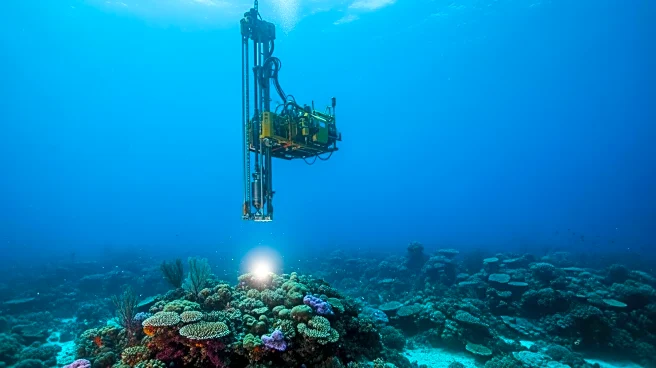
The International Seabed Authority is approaching a pivotal decision regarding the future of deep sea mining. A meeting is set to discuss the potential establishment of a mining code that could pave the way for commercial mineral extraction from international
seabeds. This decision comes amid growing calls for a moratorium due to environmental and regulatory concerns. Legal experts warn that proceeding without a comprehensive international framework could pose significant risks, as the United Nations Convention on the Law of the Sea designates the deep seabed as a shared resource meant to benefit all humanity. Recent U.S. regulatory developments under the current administration could authorize mining in international waters, potentially conflicting with international obligations. The debate is further complicated by the High Seas Treaty, which aims to conserve marine biodiversity and ensure equitable benefit-sharing.
Why It's Important?
The decision on deep sea mining holds significant implications for global environmental governance and international relations. Allowing mining operations could undermine efforts to protect marine biodiversity and disrupt fragile ecosystems, potentially affecting food webs and valuable genetic resources. The push for a moratorium reflects widespread concern over the environmental impact and the need for robust regulatory frameworks. The outcome of this decision could influence international cooperation on marine conservation and set precedents for resource management in international waters. Additionally, the involvement of corporate interests and defense-related entities highlights the economic stakes and strategic considerations tied to deep sea mining.
What's Next?
The International Seabed Authority faces pressure to finalize the mining code, but there are numerous unresolved regulatory issues, including environmental safeguards and benefit-sharing mechanisms. A moratorium would provide more time to address these concerns without halting ongoing research or negotiations. The decision will likely prompt reactions from environmental groups, governments, and industry stakeholders, each with vested interests in the outcome. The potential for accelerated mining activities could lead to weaker governance if not carefully managed, emphasizing the need for a balanced approach that considers both economic and environmental priorities.
Beyond the Headlines
The deep sea mining debate raises broader questions about the ethical and legal responsibilities of exploiting shared global resources. The potential for environmental degradation and inequitable benefit distribution underscores the importance of multilateral governance and international cooperation. The decision could also influence future policies on resource extraction and environmental protection, setting a precedent for how global commons are managed. The involvement of defense-related entities suggests strategic interests in securing access to critical minerals, highlighting the intersection of environmental policy and national security.