








What's Happening?
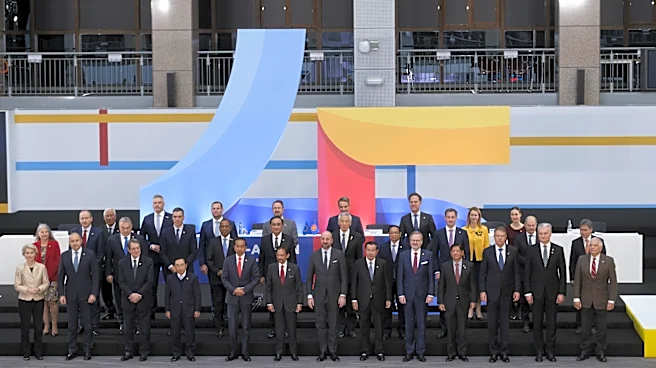
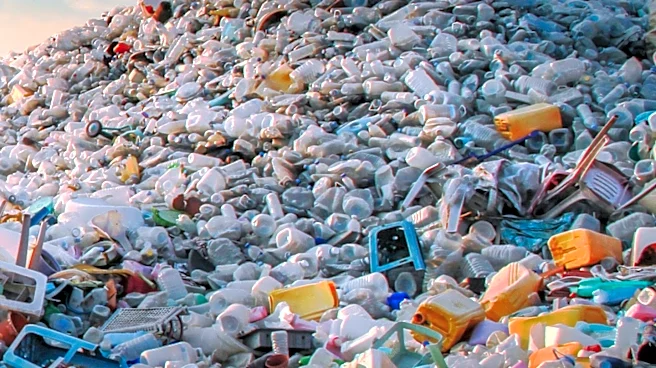
Negotiations for a global plastics treaty are underway, with over 100 countries advocating for significant cuts in plastic production. This international effort aims to address the widespread issue of plastic pollution, building on the success of local
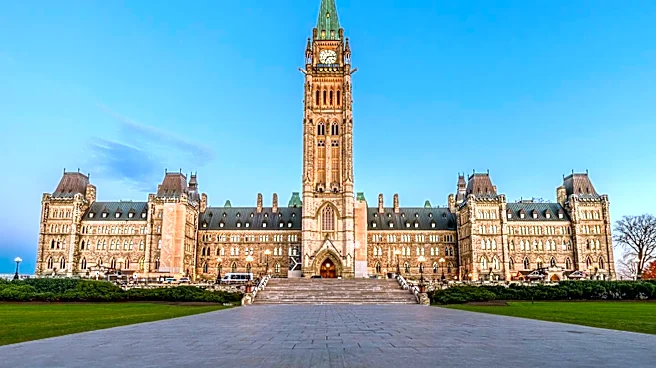
and national plastic bans. However, a coalition of oil-producing nations and numerous industry lobbyists are actively resisting these proposed measures. These groups are reportedly working to block progress in the treaty discussions, signaling their concern that such an agreement could pose a substantial threat to their business interests. The push for a global treaty has gained momentum from thousands of local initiatives worldwide that have demonstrated the feasibility and effectiveness of reducing plastic use. For instance, Canada's national ban on single-use plastics recently survived a Federal Court of Appeal challenge in January 2026, with the Supreme Court slated to hear a further appeal from industry. This legal battle highlights the ongoing tension between environmental protection goals and industrial economic interests.
Why It's Important?
The outcome of the global plastics treaty negotiations holds significant implications for environmental health, public policy, and various industries worldwide, including those in the U.S. A successful treaty could lead to a substantial reduction in plastic waste, mitigating its harmful effects on ecosystems and human health. For the plastics and petrochemical industries, particularly those in the U.S. that are major producers, a treaty imposing production cuts could necessitate significant operational shifts, investment in alternative materials, or a re-evaluation of business models. Conversely, industries focused on sustainable alternatives, recycling, and reuse technologies stand to gain from increased demand and policy support. The resistance from oil producers and lobbyists underscores the economic stakes involved, as plastic production is closely tied to the fossil fuel industry. The treaty also represents a critical test of international cooperation on environmental issues, demonstrating whether global consensus can be achieved in the face of powerful economic opposition.
What's Next?
The global plastics treaty negotiations are expected to continue, with ongoing discussions among participating nations. The next round of talks is scheduled for March 13th to 24th, 2027, though the venue has yet to be announced. A key challenge will be overcoming the resistance from oil-producing countries and industry lobbyists, who have shown a strong presence at these discussions. Should the United Nations process encounter significant stalls, there is a possibility that more ambitious countries might form their own independent treaty, potentially creating a multi-tiered approach to plastic reduction. This could lead to a fragmented global regulatory landscape for plastics. Meanwhile, legal challenges to national plastic bans, such as the upcoming Supreme Court hearing in Canada, will continue to shape the legal precedents and political will for broader regulations. Stakeholders, including environmental groups, industry associations, and national governments, will likely intensify their advocacy efforts as these negotiations progress.
Beyond the Headlines
The struggle to establish a global plastics treaty extends beyond immediate environmental concerns, touching upon deeper ethical and economic dimensions. The significant presence of industry lobbyists at the negotiation table raises questions about the influence of corporate interests on international policy-making, particularly when public health and environmental well-being are at stake. The argument that decisions about health should not be made by those profiting from the problem highlights a fundamental ethical conflict. Furthermore, the treaty negotiations reflect a broader global shift towards recognizing the finite nature of resources and the long-term costs of unchecked industrial practices. The potential for ambitious countries to form their own treaty if UN processes falter could signal a new era of environmental diplomacy, where coalitions of like-minded nations drive progress independently. This could also lead to a re-evaluation of corporate social responsibility and the role of multinational corporations in addressing global challenges.