








What's Happening?
Staff from the International Monetary Fund (IMF) and Haitian authorities have reached a staff-level agreement on the Fourth Review of the Staff-Monitored Program (SMP). This agreement is pending approval by IMF Management. The program's implementation
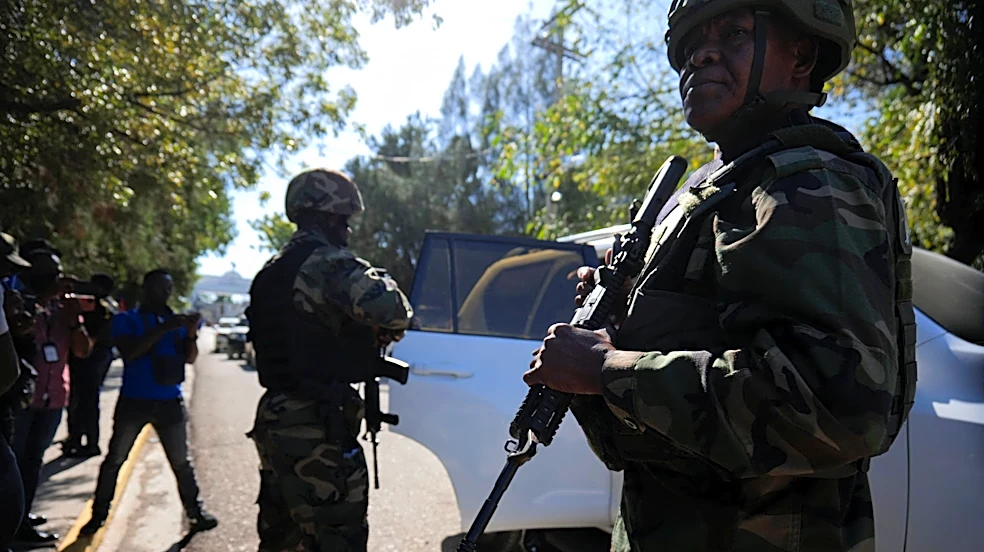
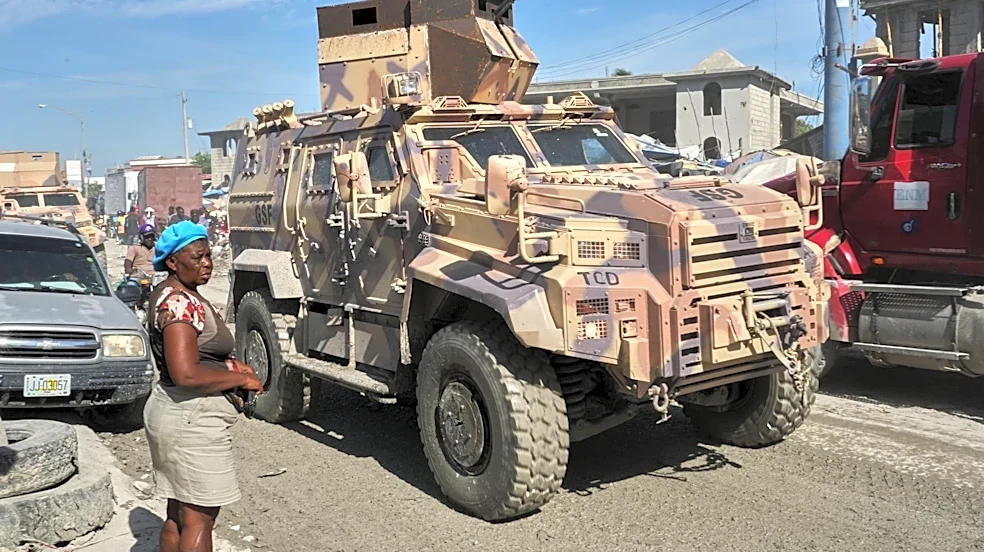
has continued despite exceptionally challenging conditions in Haiti, including persistent insecurity, dire humanitarian circumstances, and multiple adverse shocks. As of end-June 2026, nearly all quantitative and indicative targets were met, with the exception of a continuous target on external arrears, which were promptly cleared after emerging due to administrative and capacity constraints. The structural reform agenda is progressing, albeit with some delays. The Haitian economy remains fragile, experiencing its eighth consecutive year of real GDP decline, though inflation has significantly eased, and international reserve buffers are adequate. The deployment of the Gang Suppression Force offers prospects for gradual security improvement, and authorities remain committed to policy implementation and reform.
Why It's Important?
This agreement is crucial for Haiti as it signifies continued international support and monitoring of its economic program, which is vital for stabilizing the economy, strengthening governance, and reinforcing the social safety net. The SMP is an informal agreement designed to help countries build a track record for potential future financial assistance from the IMF. Given Haiti's acute security challenges, institutional fragility, and capacity constraints, the IMF's continued engagement provides a framework for economic stability and reform. The program's focus on strengthening governance, revenue mobilization, and public resource management is essential for addressing Haiti's deep-seated issues. The commitment to maintaining confidence in the monetary and exchange rate framework, along with strengthening financial sector oversight, aims to build resilience against external shocks and foster a more stable economic environment, which is critical for the well-being of the Haitian population.
What's Next?
The staff-level agreement now awaits approval by IMF Management. Following approval, the program will continue to emphasize key priorities, including strengthening governance and financial integrity through measures like operationalizing specialized judicial chambers for financial crimes and advancing Financial Action Task Force (FATF)-related reforms. Efforts will also focus on strengthening revenue mobilization, particularly through the effective implementation of a new tax code and modernization of tax and customs administration. Improving the effective use of public resources, maintaining confidence in the monetary and exchange rate framework, and strengthening financial sector oversight are also critical next steps. The IMF will continue to provide technical assistance, and timely and predictable external support from development partners will be crucial for addressing humanitarian, security, and development needs, supporting policy implementation, and fostering institutional reforms in Haiti.
Beyond the Headlines
The ongoing challenges in Haiti, including political fragility and insecurity, underscore the complex interplay between governance, security, and economic stability. The IMF's continued involvement, even through an informal SMP, highlights the international community's recognition of the need for sustained engagement in fragile states. The program's emphasis on governance and financial integrity is particularly significant, as these are foundational for long-term stability and attracting investment. The potential reduction in remittance inflows due to the end of Temporary Protected Status (TPS) for Haitians in the United States adds another layer of vulnerability, emphasizing the interconnectedness of U.S. immigration policies and Haiti's economic outlook. The success of these reforms will depend not only on the commitment of Haitian authorities but also on a significant improvement in security conditions and sustained international cooperation to create an environment conducive to economic recovery and social development.