







What's Happening?
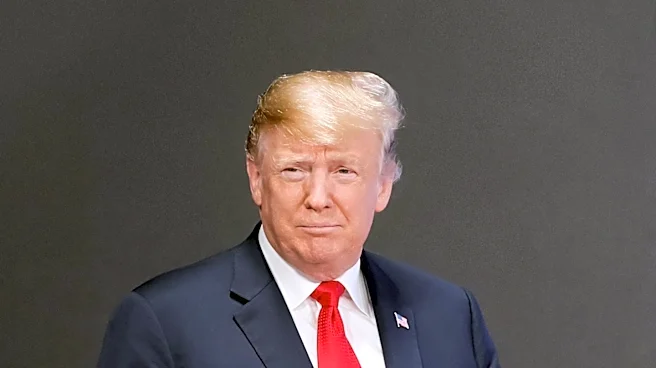
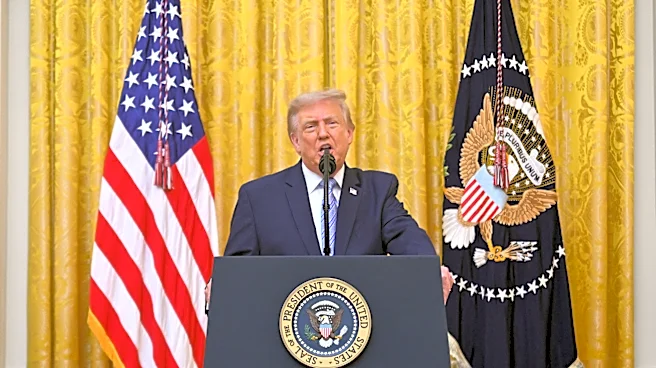
Following President Trump's recent address on election integrity, Democrats are being urged to take a proactive stance on the issue. The address, which highlighted concerns over potential foreign interference and voter data security, has sparked alarm
among Democratic leaders. Representative Jim Himes and Senator Mark Warner have expressed concerns about the potential for federal overreach in upcoming elections. Despite these warnings, Democrats are being encouraged to focus on policy rather than rhetoric, as they have previously developed comprehensive election-security legislation. The challenge lies in reclaiming the narrative from President Trump, who has positioned himself as a champion of election integrity, despite his controversial claims about past elections.
Why It's Important?
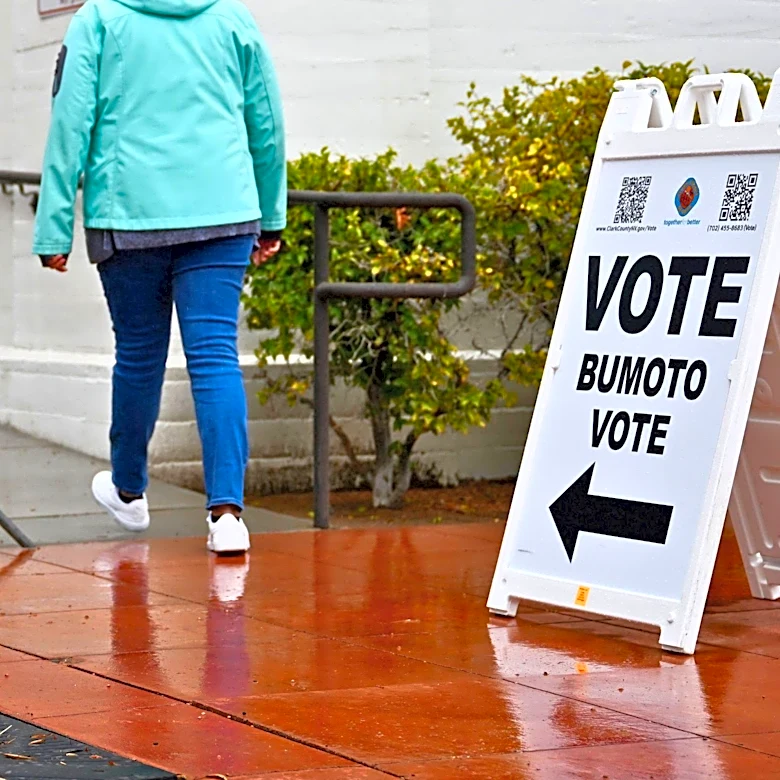
The issue of election integrity is crucial as it impacts public trust in the democratic process. President Trump's claims, whether substantiated or not, have the potential to undermine confidence in election outcomes. For Democrats, addressing these concerns with concrete policy proposals could help restore faith in the electoral system and prevent potential manipulation of election results. Moreover, bipartisan cooperation on election security could lead to more robust protections against foreign interference and ensure that all eligible voters can participate without undue barriers. The stakes are high, as failure to address these issues could lead to further polarization and erosion of democratic norms.
What's Next?
Democrats have the opportunity to advance their election-security agenda by building on existing legislative efforts. This includes measures like voter-verified paper ballots, risk-limiting audits, and cybersecurity requirements for voting systems. By focusing on policy solutions, Democrats can counter President Trump's narrative and demonstrate a commitment to safeguarding elections. The path forward may involve negotiating with Republicans to find common ground on issues like voter identification and citizenship verification. Success in these efforts could lead to the passage of comprehensive election-security legislation, strengthening the integrity of future elections.
Beyond the Headlines
The broader implications of this issue extend beyond immediate electoral concerns. The debate over election integrity touches on fundamental questions about citizenship, access to voting, and the balance between security and disenfranchisement. As Democrats and Republicans navigate these complex issues, they must consider the long-term impact on voter participation and public confidence in the democratic process. Additionally, the role of misinformation and its influence on public perception of election security remains a critical challenge that policymakers must address.