





What's Happening?
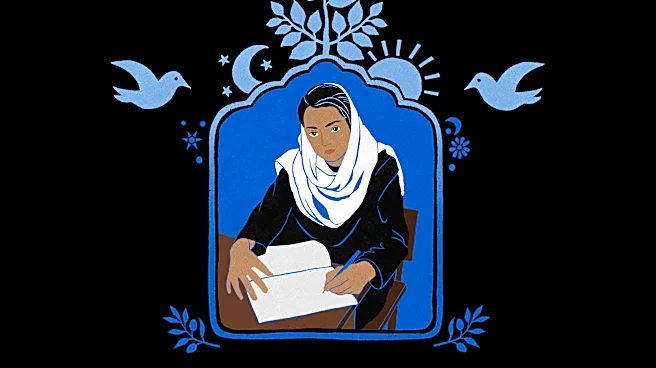
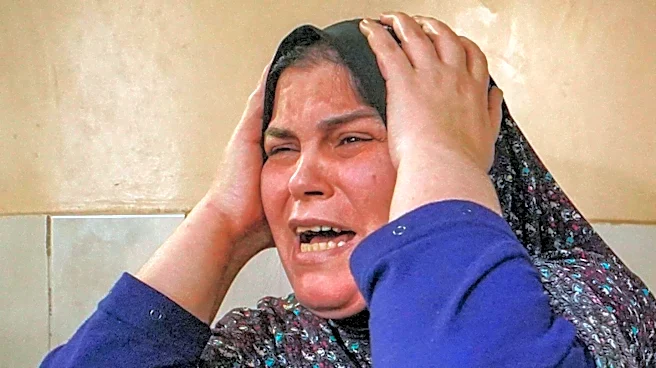
The Taliban's return to power in Afghanistan has led to severe restrictions on women's rights, making the country the only one in the world to ban girls from secondary education and women from attending university. According to UN Women, the Taliban have
issued over 100 decrees targeting women and girls, institutionalizing discrimination and creating what is described as the world's most severe women's rights crisis. The restrictions extend beyond education, affecting women's freedom of movement, employment, and legal rights. The Taliban claim to respect women's rights according to their interpretation of Islamic law, but the UN reports a significant mental health crisis among women due to isolation and loss of opportunities.
Why It's Important?
The situation in Afghanistan represents a significant setback for women's rights globally, erasing two decades of progress. The Taliban's policies not only impact Afghan women but also set a concerning precedent for women's rights in other regions. The international community faces challenges in addressing these human rights violations, which could influence global policies on gender equality and women's empowerment. The restrictions also have economic implications, as women are largely excluded from the workforce, affecting Afghanistan's economic development and stability.
What's Next?
International pressure on the Taliban to reverse these policies is likely to continue, with potential sanctions or diplomatic efforts aimed at restoring women's rights. Human rights organizations may increase advocacy and support for Afghan women, while neighboring countries and global powers could play a role in mediating the situation. The Taliban's response to international criticism and internal resistance from Afghan women will be crucial in determining the future of women's rights in the country.
Beyond the Headlines
The Taliban's actions highlight the broader issue of women's rights in conflict zones and the role of cultural and religious interpretations in shaping gender policies. The situation raises ethical questions about international intervention and the balance between respecting cultural practices and advocating for universal human rights. Long-term, the crisis could influence global discussions on women's rights and the responsibilities of international bodies in protecting vulnerable populations.