







What's Happening?
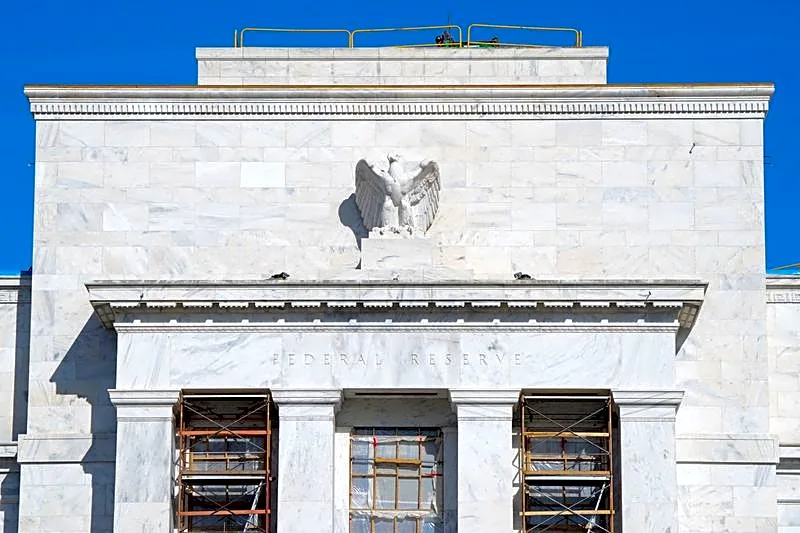
The Federal Reserve Bank of St. Louis is actively promoting economic education to empower individuals and communities to make more informed financial and economic decisions. This initiative is central to the Federal Reserve's mission of fostering a strong
and stable economy. Through its Federal Reserve Education program, the institution provides a wide array of free resources for educators at all levels, from kindergarten to college. These resources include classroom lessons, videos, and assignments designed to teach economics and personal finance. The program boasts over 10,000 educator accounts nationwide, an 800-term glossary, and more than 600 ready-to-use educational materials. These tools are also designed for seamless integration with popular learning management systems such as Canvas, Schoology, Blackboard, and D2L Brightspace.
Why It's Important?
Economic education is crucial for the financial literacy and well-being of the U.S. population. By providing accessible and comprehensive resources, the Federal Reserve Bank of St. Louis aims to equip students, families, and communities with the knowledge needed to navigate complex financial landscapes. This initiative can lead to better personal financial management, more informed consumer choices, and a greater understanding of broader economic principles. A more financially literate populace can contribute to a more stable economy by making sound investment decisions, managing debt effectively, and participating more thoughtfully in economic discussions. This effort also supports educators by providing high-quality, vetted materials that can enhance their curriculum and engage students in critical economic concepts.
What's Next?
The Federal Reserve Bank of St. Louis will likely continue to expand its Federal Reserve Education program, potentially adding new resources and reaching more educators and students across the nation. The ongoing integration with learning management systems suggests a commitment to making these educational tools as accessible and user-friendly as possible. Future developments might include specialized modules on emerging economic topics, interactive simulations, or partnerships with educational institutions to further embed economic literacy into curricula. The program's success will be measured by its reach and its impact on improving financial decision-making skills among diverse populations, contributing to the Fed's broader goal of economic stability.
Beyond the Headlines
The emphasis on economic education by the Federal Reserve Bank of St. Louis underscores a recognition that financial literacy is a foundational element of a healthy society and economy. Beyond individual benefits, a well-informed populace is better equipped to understand and engage with public policy debates related to fiscal and monetary issues. This initiative also highlights the role of central banks not just in monetary policy, but also in public education and community outreach. By fostering a deeper understanding of economic principles, the program aims to build resilience against financial shocks and promote long-term economic security for individuals and the nation as a whole. It represents an investment in human capital, which is essential for sustained economic growth and stability.