




What's Happening?
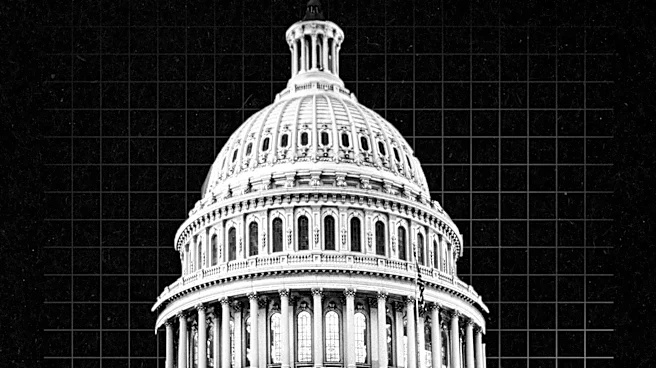
Reps. Russell Fry (R-SC) and Suhas Subramanyam (D-VA) have established the Innovators Caucus, a new bipartisan congressional group. This caucus is specifically designed to advocate for small and medium-sized businesses operating in the artificial intelligence
sector. The initiative aims to address significant challenges faced by these smaller AI companies, including limited access to federal and non-federal funding, difficulties in securing early-stage capital, complexities within the R&D tax credit system, intense competition for skilled technical talent, and a rapidly evolving regulatory landscape that often outpaces the adaptive capabilities of smaller firms. The caucus seeks to level the playing field, ensuring that innovation in AI is not solely concentrated within large, well-established tech corporations. Subramanyam, along with Rep. Jay Obernolte (R-CA), previously introduced the Small AI Innovators Empowerment Act, which mandates a formal study by the Department of Commerce, NIST, and the SBA to identify barriers for small AI companies.
Why It's Important?
The formation of the Innovators Caucus is crucial for the future of U.S. leadership in artificial intelligence. By focusing on small and medium-sized AI businesses, the caucus acknowledges that a diverse and robust ecosystem of innovators is essential for sustained technological advancement. These smaller entities often drive groundbreaking innovations but are frequently hampered by structural disadvantages when competing with larger, well-funded tech giants. Addressing funding gaps and simplifying the R&D tax credit system can unlock significant potential, allowing these companies to invest more in research, development, and talent acquisition. Furthermore, navigating a complex and fast-changing regulatory environment is a major hurdle for startups; the caucus's efforts to streamline this could prevent promising companies from being stifled. The success of these smaller firms is vital for job creation, economic growth, and maintaining the U.S.'s competitive edge in the global AI landscape, ensuring that the benefits of AI innovation are broadly distributed across the economy rather than concentrated in a few large corporations.
What's Next?
The Innovators Caucus is expected to actively engage with stakeholders, including venture capitalists and AI companies, to gather insights and develop policy recommendations. The American Innovators Network, a group allied with venture industry players, will send companies to Capitol Hill to discuss AI proposals and their potential impact on innovation. A key immediate step is the implementation of the Small AI Innovators Empowerment Act, which directs the Department of Commerce, in collaboration with the National Institute of Standards and Technology (NIST) and the Small Business Administration (SBA), to conduct a comprehensive study on the barriers faced by small AI companies. This study will cover access to capital, the effectiveness of R&D tax incentives, talent pipeline challenges, and the cumulative impact of regulatory uncertainty. The findings from this study will likely inform future legislative efforts and policy adjustments aimed at fostering a more inclusive and dynamic AI innovation environment. The caucus will also likely advocate for changes to tax codes, such as Section 174, which currently requires companies to amortize research expenses over five years, a policy that disproportionately affects cash-strapped AI startups.
Beyond the Headlines
The establishment of the Innovators Caucus highlights a growing recognition within Congress that the future of AI innovation in the U.S. depends on fostering a competitive environment beyond the dominant tech giants. This bipartisan effort could signal a shift in how policymakers approach technological development, moving towards policies that support a broader base of innovators. The focus on small and medium-sized businesses also touches upon broader economic equity concerns, aiming to democratize access to the burgeoning AI economy. Ethically, ensuring diverse participation in AI development can lead to more equitable and less biased AI systems, as a wider range of perspectives are brought to the table. Long-term, this initiative could reshape the U.S. AI industry, promoting a more resilient and distributed innovation ecosystem that is less susceptible to the vulnerabilities of concentrated power. It also underscores the ongoing challenge of adapting traditional regulatory frameworks to the rapid pace of technological change, particularly in emerging fields like AI.