




What's Happening?
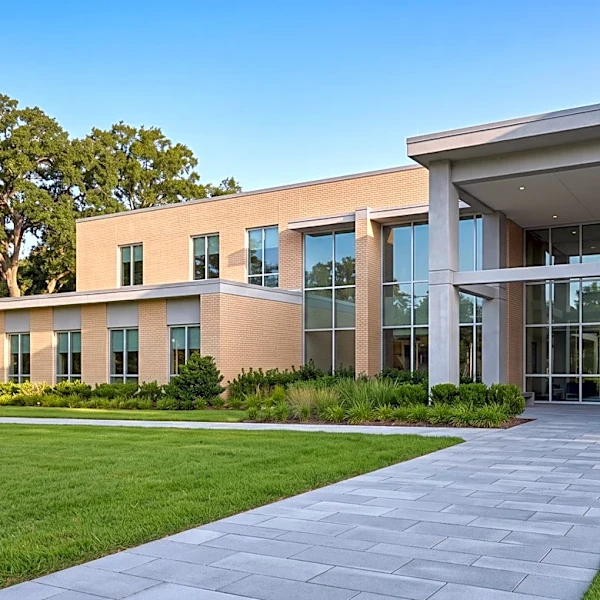
William & Mary is set to introduce new Bachelor of Arts and Bachelor of Science degrees in bioengineering starting in Fall 2027. These programs, offered through the School of Computing, Data Sciences & Physics, aim to prepare graduates for careers in the rapidly
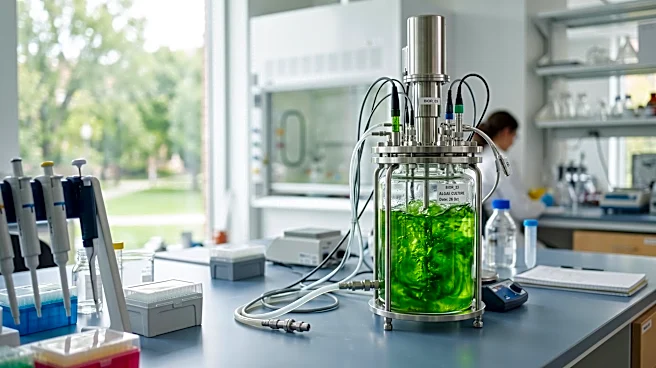
expanding biotechnology, pharmaceuticals, advanced manufacturing, and environmental remediation sectors. The curriculum emphasizes an interdisciplinary approach, combining liberal arts and sciences with emerging fields. Students pursuing the Bachelor of Science degree can specialize in biomaterials or biomolecular engineering. The biomaterials concentration focuses on designing materials that interact with biological systems, while the biomolecular engineering concentration involves designing biological molecules and systems like DNA, RNA, and proteins to address real-world challenges. The Bachelor of Arts in bioengineering, a first in Virginia, offers greater flexibility for students interested in non-traditional engineering roles, double majors, or professional degrees such as medicine, government policy, or intellectual property. This initiative builds upon William & Mary's existing strengths in bioengineering, which has been cultivated through undergraduate research, coursework, and participation in competitions like the International Genetically Engineered Machines (iGEM).
Why It's Important?
The introduction of these new bioengineering degrees by William & Mary is significant for the U.S. job market and educational landscape, particularly in Virginia. The state has seen substantial investments in life sciences, creating a high demand for engineers with expertise in biological systems. These programs will directly address this workforce gap by producing graduates equipped to develop next-generation medicines, sustainable materials, and technologies for healthcare, conservation, and national security. The interdisciplinary nature of the degrees, combining scientific discovery with engineering innovation, will foster a versatile workforce capable of tackling complex, multifaceted problems. This move also positions William & Mary as a key contributor to the growth of the bioengineering industry, enhancing the region's capacity for innovation and economic development. By offering both Bachelor of Science and Bachelor of Arts pathways, the university caters to a broader range of career aspirations, from direct engineering roles to fields requiring a strong scientific and analytical background, such as policy or law, thereby broadening the impact of bioengineering education.
What's Next?
The new bioengineering degree programs at William & Mary will officially commence in Fall 2027. Prospective students will have the opportunity to enroll in either the Bachelor of Arts or Bachelor of Science tracks, with specialized concentrations available for the latter. The university plans to continue fostering hands-on learning experiences, including faculty-mentored research and participation in the iGEM team. Furthermore, William & Mary is actively seeking partnerships with industry to provide additional applied learning opportunities for its students, which could lead to internships, co-op programs, and direct employment pathways. The success of these programs will likely be measured by graduate placement rates in relevant industries and their contributions to scientific and technological advancements. Other educational institutions may observe William & Mary's model, particularly its interdisciplinary approach and the inclusion of a Bachelor of Arts in bioengineering, potentially influencing future curriculum development in the broader U.S. higher education system.
Beyond the Headlines
The launch of these bioengineering degrees reflects a broader trend in education and industry: the increasing recognition of the need for interdisciplinary expertise to solve complex global challenges. The emphasis on combining traditional scientific disciplines with engineering principles highlights a shift towards holistic problem-solving, moving beyond siloed academic fields. The inclusion of a Bachelor of Arts in bioengineering is particularly noteworthy, as it acknowledges that the impact of bioengineering extends beyond technical development to areas like policy, ethics, and intellectual property. This approach suggests a future where bioengineers are not just innovators but also critical thinkers who can navigate the societal, legal, and ethical implications of their work. It also underscores the evolving nature of the job market, where adaptability and a broad skill set are becoming as crucial as specialized technical knowledge, preparing graduates for roles that may not yet exist in the rapidly advancing fields of biotechnology and pharmaceuticals.