
What's Happening?
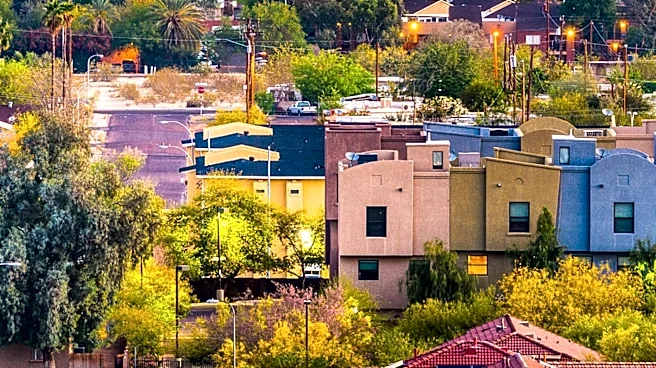
The City of Phoenix is preparing to enter Stage 2 of its Drought Management Plan in January due to anticipated significant reductions in Colorado River water deliveries. This plan, announced on November
10, includes a three-part strategy focusing on utilizing backup supplies, developing new water sources, and reducing consumption. Residents and businesses are requested to voluntarily cut water usage by 5%, while city departments are mandated to reduce their usage by 10%. A temporary drought surcharge will be applied to excessive water consumption, with residential customers paying $2.10 per unit (748 gallons) above 20 units per month, commercial customers above 300 units, and industrial customers above 15,000 units. The city also plans to offer conservation incentives, such as boosting grass-removal incentives and increasing smart irrigation controller incentives. Phoenix has been under a Stage 1 Water Alert since June 2022, and this escalation to Stage 2 signifies that standard water supplies are running short, necessitating additional resources or demand reduction measures. City officials assure that customer service will not be interrupted.
Why It's Important?
This move by Phoenix highlights the growing water scarcity challenges faced by cities in the American Southwest, particularly those reliant on the Colorado River. The implementation of surcharges on excessive water use and mandatory cuts for city departments signals a significant shift towards more aggressive water conservation policies. This could set a precedent for other municipalities in drought-prone regions, influencing water management strategies across the U.S. The financial implications for residents and businesses exceeding water thresholds could alter consumption habits and encourage investment in water-efficient technologies. Furthermore, the projected $40 million generated by the surcharge will fund conservation efforts and secure additional water supplies, demonstrating a proactive approach to long-term water security. The emphasis on voluntary reductions for the public, alongside mandatory cuts for city operations, underscores a shared responsibility model for addressing environmental challenges, which could foster greater community engagement in conservation efforts.
What's Next?
The Stage 2 Drought Management Plan is set to take effect in January. Following its implementation, the City of Phoenix will roll out the temporary surcharge on excessive water consumption and expand its water-efficiency consultation services and financial incentives for conservation. This includes increasing the grass-removal incentive from $2 to $4 per square foot, raising the smart irrigation controller incentive from $75 to $150, and establishing a new $100 per year leak-repair incentive. City officials anticipate that these measures will help consumers reduce water usage while supporting broader conservation goals. The city will also continue to develop new water sources, such as the Pure Water Phoenix advanced purification facilities, and engage in regional initiatives to increase Verde River storage and pursue water-sharing opportunities through the Secure Water Arizona Program. The effectiveness of these measures will likely be monitored closely, potentially leading to adjustments or further stages of drought management depending on water supply conditions and consumption rates.
Beyond the Headlines
The Phoenix drought plan reflects a broader national and international trend of increasing water stress due to climate change and population growth. The reliance on the Colorado River, which faces significant over-allocation and reduced flows, underscores the vulnerability of major urban centers in arid regions. This situation raises ethical questions about water rights, equitable distribution, and the balance between economic development and environmental sustainability. The shift towards financial penalties for excessive use and incentives for conservation could lead to a re-evaluation of water as a finite and precious resource, potentially influencing urban planning, agricultural practices, and industrial water use across the country. The long-term implications include potential demographic shifts as water availability becomes a more critical factor in residential and business location decisions, and increased innovation in water recycling and desalination technologies.