








What's Happening?
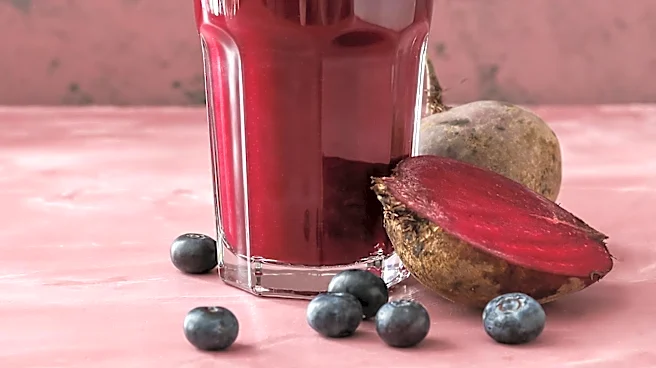
A recent study conducted by the University of Exeter in the United Kingdom has found that drinking nitrate-rich beetroot juice twice daily for two weeks significantly reduced blood pressure in older adults. The study, published in the journal Free Radical
Biology and Medicine, involved 39 adults under 30 and 36 older adults in their 60s and 70s. Participants consumed beetroot juice during one phase and a placebo during another, with a washout period in between. The research highlighted that beetroot juice altered the oral microbiome, particularly in older adults, leading to a decline in potentially harmful bacteria and an increase in beneficial ones. This change was linked to improved blood pressure regulation, as older adults typically produce less nitric oxide, a compound essential for blood vessel function.
Why It's Important?
The findings underscore the potential of dietary interventions in managing blood pressure, especially in older populations who are at higher risk of hypertension-related complications such as heart attacks and strokes. The study suggests that incorporating nitrate-rich vegetables like beetroot, spinach, and kale into the diet could offer significant health benefits by enhancing nitric oxide production through oral bacteria. This research adds to the growing body of evidence supporting the role of diet in cardiovascular health and could influence dietary guidelines and public health strategies aimed at reducing hypertension in aging populations.
What's Next?
Further research is needed to explore the long-term effects of nitrate-rich diets on blood pressure and cardiovascular health. Larger studies could investigate how lifestyle factors and biological sex influence responses to dietary nitrate supplementation. Additionally, the impact of common practices like using antibacterial mouthwashes, which may disrupt nitrate processing, warrants further investigation. These studies could lead to more personalized dietary recommendations and interventions for managing blood pressure and promoting healthy aging.
Beyond the Headlines
The study highlights the intricate relationship between diet, oral health, and cardiovascular function, suggesting that the benefits of nitrate-rich foods extend beyond their nutritional content. By altering the oral microbiome, these foods may offer a novel approach to enhancing nitric oxide production and improving vascular health. This research could pave the way for new dietary strategies that integrate microbiome science into public health recommendations, potentially transforming how we approach age-related health issues.