





What's Happening?
The International Rescue Committee (IRC), founded in 1933 at the behest of Albert Einstein, remains a prominent international humanitarian non-governmental organization. The IRC is actively engaged in over 40 countries and 29 U.S. cities, addressing severe
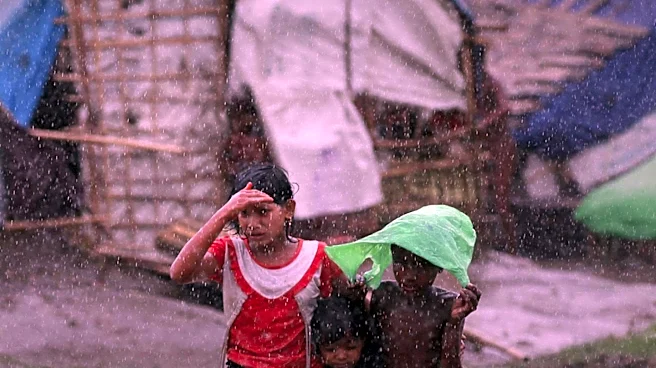
humanitarian crises. Its mission focuses on restoring health, safety, education, economic well-being, and empowerment to individuals affected by conflict and disaster. The organization adheres to its core values and principles, known as IRC Way, which emphasize Integrity, Service, Equality, and Accountability. The IRC also maintains strict policies regarding Safeguarding, Conflicts of Interest, Fiscal Integrity, and the reporting of wrongdoing, alongside protection from retaliation. The IRC's Technical Excellence (TE) group, within the Crisis Response, Recovery and Development (CRRD) Department, provides technical assistance to country program staff and shares insights to influence policy and practice globally. This includes efforts to ensure high standards for measurement, analysis, and data use, promoting continuous improvement and learning.
Why It's Important?
The ongoing work of the International Rescue Committee is crucial for global stability and directly impacts communities within the United States. By assisting people devastated by conflict and disaster, the IRC helps mitigate the long-term effects of humanitarian crises, which can otherwise lead to increased migration pressures and strain on international resources. Within the U.S., the IRC's presence in 29 cities means it plays a significant role in supporting refugees and other vulnerable populations as they resettle and integrate into American society. This support can reduce the burden on local social services and foster economic contributions from new residents. The organization's commitment to ethical conduct and accountability also sets a standard for other NGOs, ensuring that aid is delivered effectively and transparently. Its focus on data and evidence-based practices helps to optimize humanitarian interventions, making them more efficient and impactful.
What's Next?
The IRC will likely continue its efforts to strengthen program effectiveness and enhance organizational learning through its Monitoring, Evaluation, Technology, Accountability, and Learning (METAL) Unit. This unit is responsible for fostering a culture of strong data and evidence use, coordinating the piloting and adoption of innovative technology solutions, and providing specialized support across four pillars: Global MEAL Practice, Technology for Programs, Data Systems and Analytics, and Regional METAL Support. These initiatives aim to improve decision-making and ensure that the IRC's programs meet the highest global standards. The organization will also continue to advocate for policies that support refugees and displaced persons, both internationally and within the U.S., emphasizing the importance of consistent, tailored support for integration and settlement. Future efforts will likely include further development of digital solutions to enhance program reach and impact.
Beyond the Headlines
The IRC's comprehensive approach to humanitarian aid extends beyond immediate relief, addressing the deeper societal and economic challenges faced by displaced populations. By focusing on restoring health, safety, education, and economic well-being, the IRC contributes to long-term stability and self-sufficiency for individuals and communities. The organization's emphasis on data-driven decision-making and technological innovation highlights a broader trend in the humanitarian sector towards more efficient and accountable aid delivery. This commitment to evidence-based practices not only improves outcomes for beneficiaries but also builds trust among donors and stakeholders. Furthermore, the IRC's work in U.S. cities underscores the interconnectedness of global crises and domestic challenges, demonstrating how international humanitarian efforts have direct implications for American communities and public policy regarding immigration and social integration.