
What's Happening?
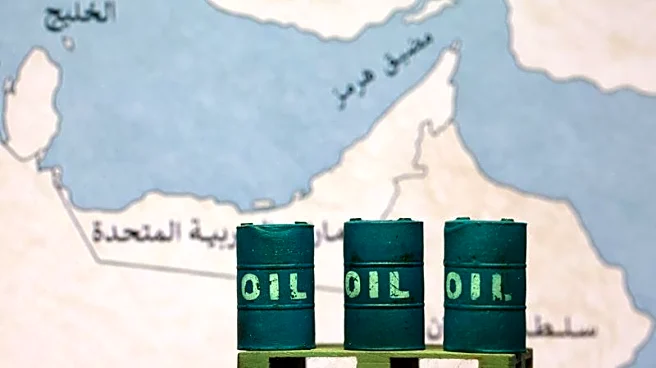
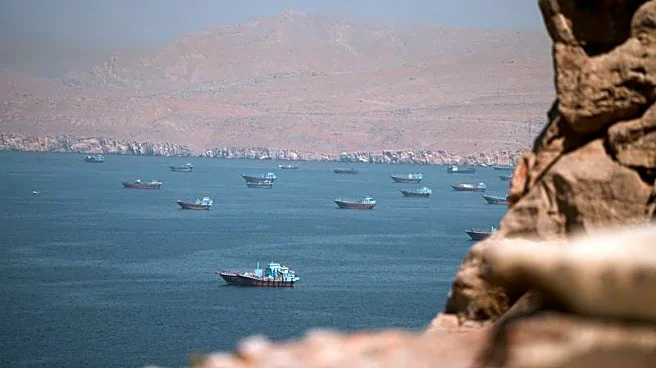
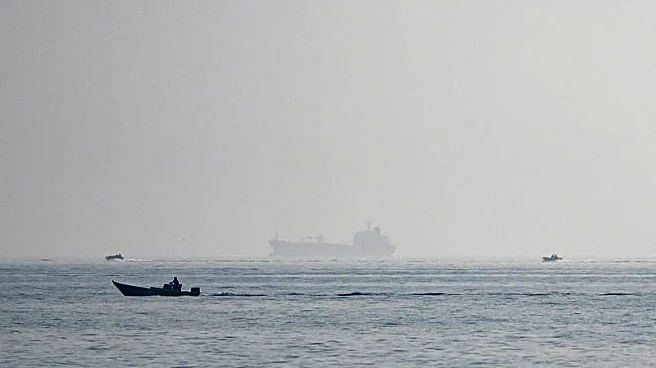
Oman is advocating for a new plan that would allow Iran to collect 'voluntary' fees from ships passing through the Strait of Hormuz, a critical global oil chokepoint. This proposal is inspired by the fee structures
in the Strait of Malacca, where countries collect optional fees for environmental and rescue services. The plan has been discussed by Iran's Foreign Minister Abbas Araqchi with officials from Oman and Saudi Arabia. However, the mechanism to ensure that ships are not coerced into paying these fees remains unclear. The U.S. has historically opposed mandatory fees in the Strait of Hormuz, given its strategic importance for global oil supply.
Why It's Important?
The proposal for Iran to collect fees in the Strait of Hormuz could have significant geopolitical and economic implications. The strait is a vital passage for about one-fifth of the world's seaborne oil, and any changes in its management could affect global oil prices and supply chains. The U.S. and other countries reliant on oil shipments through the strait may view this plan as a potential threat to free navigation and international trade. The proposal could also exacerbate tensions between Iran and Western countries, particularly if it is perceived as a move to exert greater control over the strait.
What's Next?
The proposal is likely to be a topic of international diplomatic discussions, with countries potentially seeking assurances that the fees will remain voluntary and not disrupt global trade. The U.S. and its allies may engage in negotiations with Iran and Oman to address concerns and ensure the free flow of oil through the strait. The outcome of these discussions could influence future policies on maritime navigation and international trade agreements. Additionally, the plan may prompt other countries to consider similar fee structures in strategic waterways.