



What's Happening?
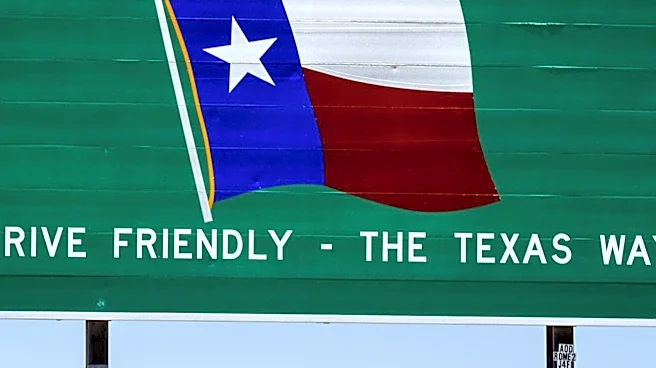
The Texas General Land Office (GLO) has issued a cease and desist order to U.S. Customs and Border Protection and Barnard Construction, a federal contractor, for unauthorized land clearing in Presidio County, Texas. The GLO claims that Barnard Construction illegally
cleared over a mile of state-owned land for the Trump administration's border wall project without proper consent. This action has reportedly damaged significant grazing acreage leased to Trans Pecos Ice LLC, affecting potential revenue for Texas schoolchildren. The GLO has demanded that the land be restored to its original condition and has reserved the right to pursue legal action. The incident has raised questions about the GLO's cooperation with the federal government on the border wall project, especially given the agency's significant land holdings in the Big Bend region.
Why It's Important?
This development highlights ongoing tensions between state and federal authorities over land use and border security measures. The unauthorized land clearing not only disrupts local land management and economic activities but also underscores broader issues of landowner rights and state sovereignty. The GLO's firm stance against the unauthorized activities reflects a potential shift in state-federal relations concerning border security projects. The incident could influence public opinion and legislative actions regarding the balance between national security and local land rights. Additionally, it may prompt other landowners and stakeholders to scrutinize federal projects more closely, potentially leading to increased legal and political challenges.
What's Next?
The GLO's actions may lead to further legal proceedings if Barnard Construction does not comply with the restoration demands. The situation could also impact ongoing negotiations between local authorities and federal agencies regarding land use agreements. The incident may prompt state legislators and Congress to re-evaluate the current approach to border security, possibly advocating for alternative solutions such as technological enhancements over physical barriers. The response from local communities and political leaders will be crucial in shaping the future of border security projects in the region.