





What's Happening?
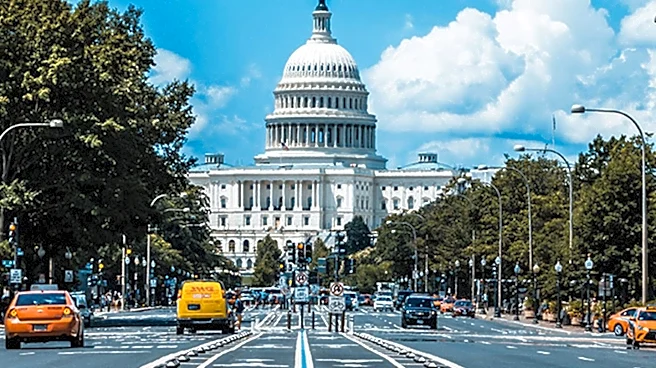
In the 2026 U.S. election cycle, a notable increase in independent and third-party candidates for governor and U.S. Senate is observed, with eleven candidates on track to surpass the five percent vote threshold considered viable by political scientists.
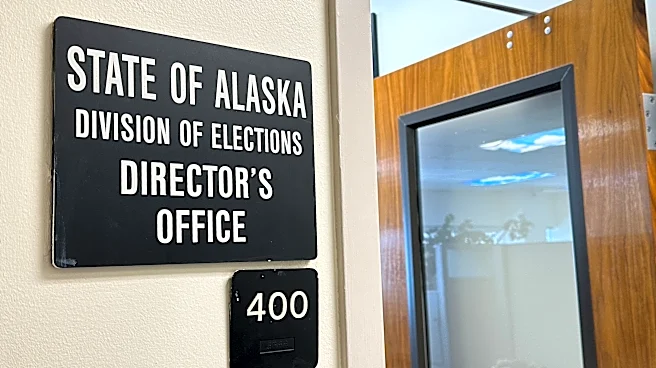
This trend surpasses the combined total from the 2022 and 2024 elections. The rise of these candidates is attributed to growing dissatisfaction with the traditional two-party system, as many Americans express disillusionment with both the Democratic and Republican parties. This dissatisfaction is reflected in the increasing number of Americans identifying as independents, despite often voting for major parties. The political landscape is shifting, with candidates like Bill Walker in Alaska and John Stegner in Idaho running as independents, leveraging the unpopularity of major party labels in their respective states.
Why It's Important?
The emergence of independent candidates signifies a potential shift in the American political landscape, challenging the dominance of the two-party system. This trend highlights a broader public discontent with the current political and economic systems, as trust in government remains low and approval ratings for Congress continue to decline. The rise of independents could lead to a more diverse political representation, potentially influencing policy decisions and encouraging major parties to address public grievances more effectively. This development may also inspire political innovation and reform, as traditional parties are forced to adapt to changing voter preferences.
What's Next?
As the 2026 elections approach, the success of independent candidates will be closely monitored. Their performance could influence future electoral strategies and encourage more candidates to run without major party affiliations. Political analysts will observe whether this trend leads to significant electoral victories or remains a symbolic challenge to the status quo. The response from major parties will be crucial, as they may need to reassess their platforms and outreach efforts to regain voter trust and support.