
What's Happening?
Georgia lawmakers have passed a bill that aims to nullify a Savannah ordinance which penalizes leaving guns in unlocked cars. The state Senate approved the measure, which prevents cities and counties from
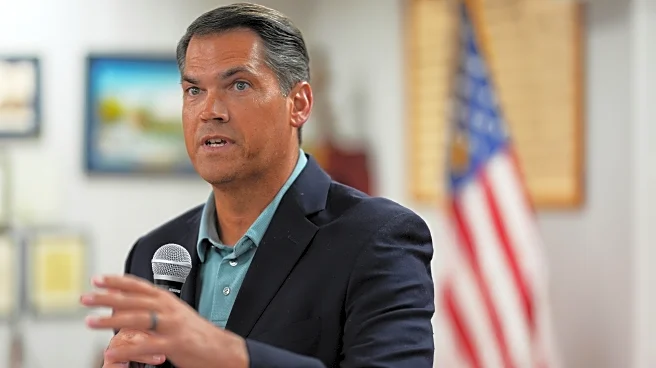
regulating gun storage, allowing gun owners to sue local governments for such regulations. The bill now awaits the decision of Governor Brian Kemp. Savannah's ordinance, enacted in 2024, imposed fines and potential jail time to reduce gun thefts from vehicles. Mayor Van Johnson, who supported the ordinance, noted a 30% drop in gun thefts since its implementation. However, gun rights advocates argue the ordinance unfairly penalizes gun owners who are victims of theft. Former state Senator Colton Moore criticized the ordinance, stating it criminalizes victims. Moore resigned to run for a congressional seat. If signed into law, Savannah will cease enforcing the ordinance, though Mayor Johnson hinted at exploring other gun safety measures.
Why It's Important?
The bill's passage highlights the ongoing debate over gun control and local versus state authority in regulating firearms. It underscores the tension between efforts to enhance public safety and the protection of gun rights. The decision could impact how cities across Georgia approach gun safety, potentially limiting their ability to implement measures tailored to local needs. The outcome may influence similar legislative efforts in other states, affecting national gun policy discourse. The bill also raises questions about the balance of power between state and local governments, with implications for governance and legal precedents in firearm regulation.
What's Next?
Governor Brian Kemp's decision on the bill will determine its implementation. If signed, Savannah will halt enforcement of its ordinance, potentially prompting other cities to reconsider their gun safety measures. The legal landscape for gun storage regulations in Georgia will be clarified, possibly leading to further legislative or judicial actions. Stakeholders, including gun rights advocates and gun control supporters, are likely to continue lobbying for their positions, influencing future policy directions. The situation may also prompt discussions on alternative strategies for reducing gun thefts and enhancing public safety.