






What's Happening?
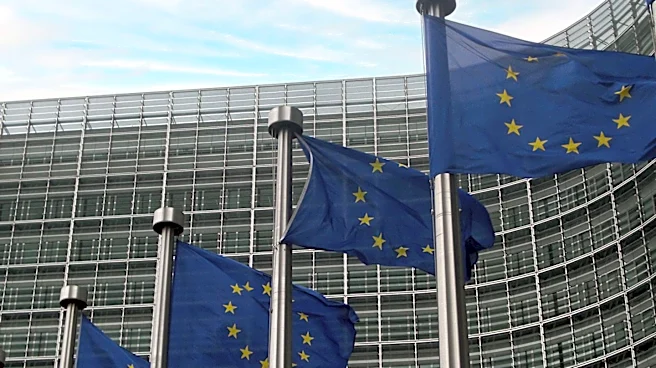
The European Commission has approved a compensation package totaling approximately €120 million to support Italian poultry and egg producers affected by highly pathogenic avian influenza (HPAI). This funding is designed to address significant indirect
market losses incurred due to veterinary restrictions implemented between September 22, 2022, and March 1, 2025. The package includes €61 million from the EU Agricultural Reserve, which will be matched by Italy’s Ministry of Agriculture, Food Sovereignty and Forestry (MASAF). The measures were put in place to prevent further outbreaks of HPAI, following a previous pan-European wave in 2021-2022 that led to the culling of nearly 14 million birds in northern Italian regions. The current support aims to alleviate the economic burden on commercial operations within protection and surveillance zones, which faced prolonged non-operational periods, transport constraints, and discounted sales of products.
Why It's Important?
While this specific relief package targets the Italian poultry sector, it highlights the broader economic vulnerabilities within the agricultural industry across the European Union when faced with animal disease outbreaks. The substantial financial commitment underscores the severe impact that veterinary restrictions, such as those for HPAI, can have on national economies and food supply chains. For U.S. agricultural stakeholders, this serves as a critical case study on the potential for widespread economic disruption from animal diseases and the necessity of robust compensation mechanisms. The indirect losses, including non-operational facilities, reduced product value, and logistical challenges, demonstrate how deeply such events can affect producers beyond direct culling costs. Understanding these impacts is crucial for developing effective risk management strategies and support systems in the U.S. to mitigate similar future crises.
What's Next?
Italy’s Ministry of Agriculture, Food Sovereignty and Forestry (MASAF) is tasked with distributing the approved €120 million compensation package to eligible farmers. All payments are mandated to be completed by May 31, 2027. This timeline provides a clear window for producers to receive the much-needed financial relief. The implementation of these payments will be closely monitored to ensure that the funds effectively address the indirect operational and market losses experienced by the poultry and egg sectors. Furthermore, the European Commission and national authorities will likely continue to assess the effectiveness of current veterinary containment measures and potentially refine future response strategies to HPAI outbreaks, drawing lessons from the economic and operational challenges faced during this period.
Beyond the Headlines
The allocation of such a significant relief package extends beyond immediate financial aid, reflecting a deeper commitment to maintaining food security and agricultural stability within the European Union. The emphasis on compensating for 'indirect market losses' acknowledges the complex ripple effects of animal disease outbreaks, which can destabilize entire supply chains and rural economies. This approach sets a precedent for how governments and international bodies might address future agricultural crises, moving beyond direct losses to encompass the broader economic damage. It also highlights the ongoing tension between stringent biosecurity measures necessary to control disease and the economic viability of agricultural enterprises. The long-term implications could include increased investment in disease prevention technologies, more resilient supply chain designs, and potentially new insurance or risk-sharing models for farmers facing similar threats.