



What's Happening?
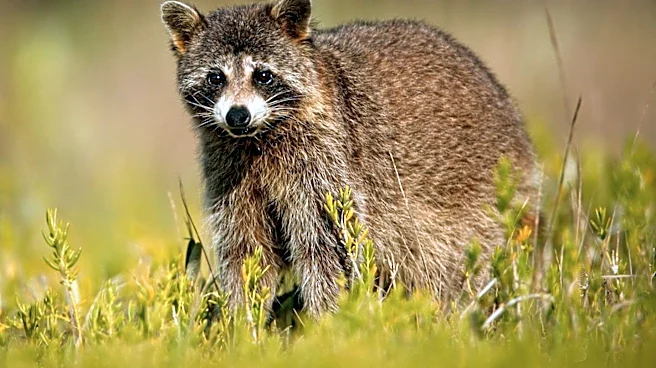
A raccoon in Montgomery, Alabama, has tested positive for rabies, as confirmed by the Alabama Department of Public Health (ADPH). The animal was captured by a wildlife pest control company on July 31 after a homeowner in the Dalraida neighborhood reported
it exhibiting unusual behavior near their backyard fence. The raccoon was subsequently trapped and sent for rabies testing. Dr. Dee W. Jones, the State Public Health Veterinarian, emphasized the importance of recognizing and reporting unusual wildlife behavior, which allowed for prompt testing and reduced the risk of potential exposures. Residents are reminded to ensure their pets are vaccinated against rabies, a requirement under state law for dogs, cats, and ferrets older than 12 weeks. The ADPH advises residents to take precautions such as confining pets, not leaving uneaten pet food outside, and avoiding contact with wildlife or domestic animals acting strangely.
Why It's Important?
The discovery of a rabid raccoon in a residential area underscores the ongoing public health challenge posed by rabies, a potentially fatal disease if not promptly addressed. This incident highlights the critical role of public awareness and timely reporting in preventing the spread of rabies. Ensuring pets are vaccinated is a key preventive measure that protects both animals and humans from this disease. The presence of rabies in wildlife can lead to increased interactions with domestic animals, raising the risk of transmission. Public health advisories and education are essential in mitigating these risks and ensuring community safety.
What's Next?
Following this incident, the Alabama Department of Public Health is likely to continue monitoring the area for further cases of rabies. Residents may see increased public health messaging and community outreach efforts to reinforce the importance of vaccination and safe practices around wildlife. Local authorities might also increase surveillance and control measures to manage wildlife populations and reduce the risk of rabies transmission. Continued collaboration between public health officials, veterinarians, and the community will be crucial in addressing this public health concern.