


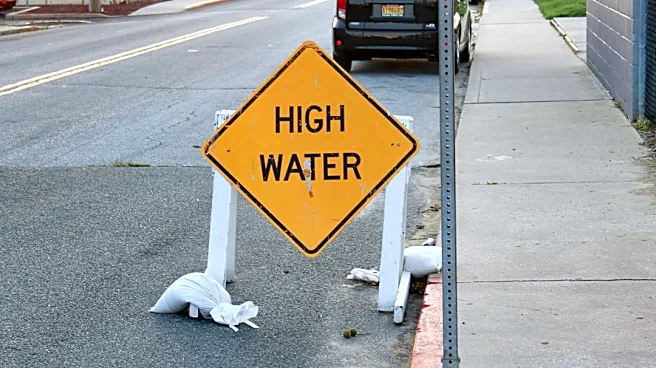
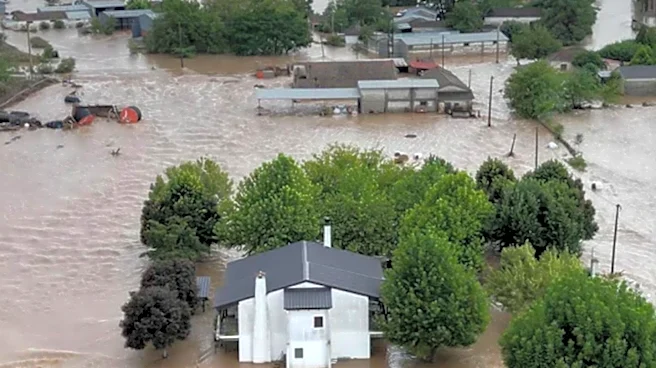
What's Happening?
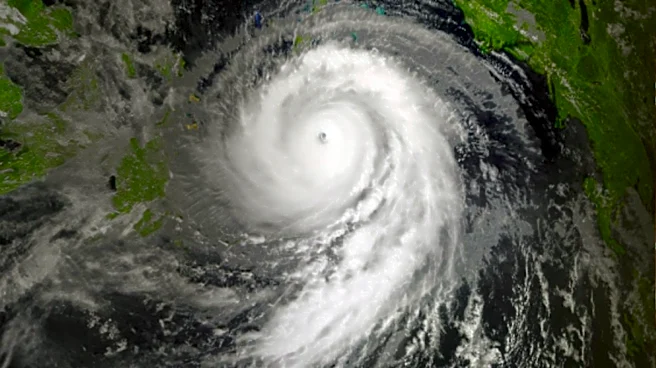
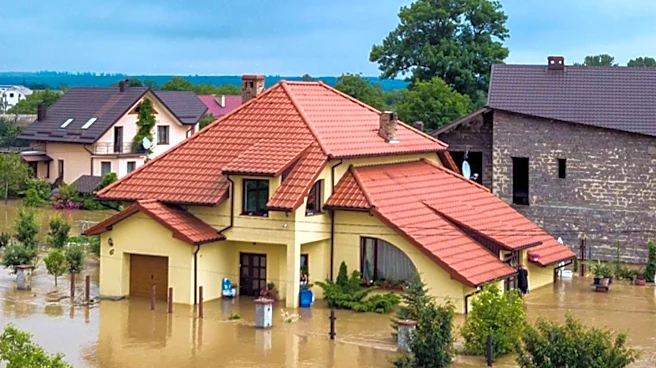
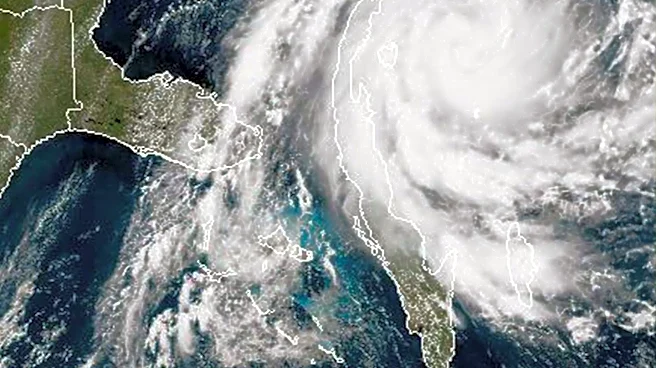
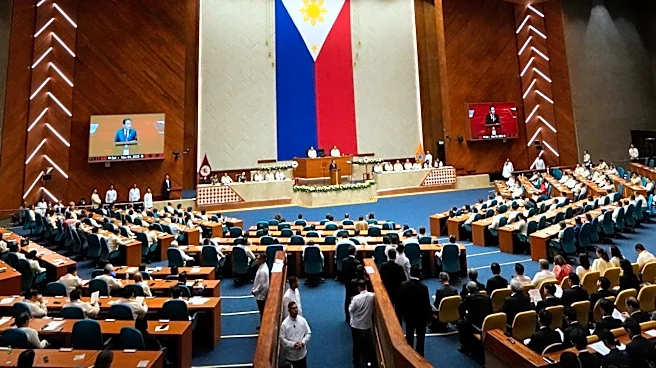
The national government has allocated PHP8.6 billion under the Disaster Rehabilitation and Recovery Assistance Program to 306 local government units (LGUs) across the country. This funding aims to aid these LGUs in recovering from the impacts of typhoons,
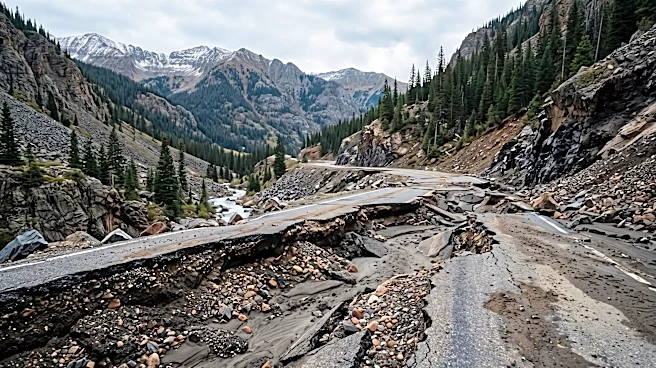
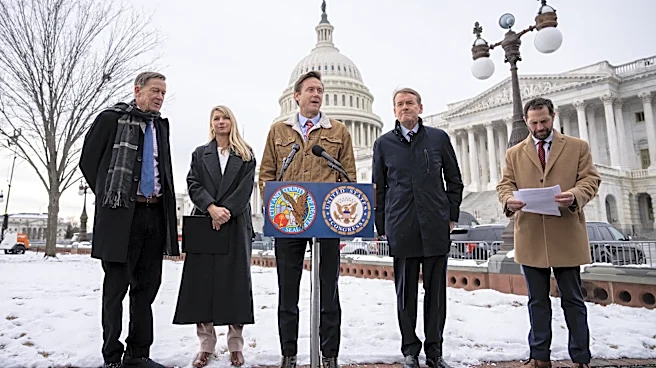
earthquakes, and the 2024–2026 Kanlaon Volcano eruption. Specifically, eleven disaster-affected LGUs in La Union have each received PHP20 million from this allocation. These municipalities include Pugo, San Juan, Bauang, Sudipen, San Gabriel, Luna, Bacnotan, Tubao, Naguilian, Santol, and Bangar. The assistance is intended to bolster rehabilitation and recovery efforts, focusing on restoring vital infrastructure, public facilities, and basic services damaged by recent typhoons. La Union Governor Mario Eduardo Ortega expressed gratitude to the national government and affirmed the provincial government's support for the recovery initiatives of these local units.
Why It's Important?
This significant allocation underscores the national government's commitment to disaster resilience and recovery, particularly in a country frequently affected by natural calamities. The funding is crucial for communities to rebuild essential infrastructure such as roads, bridges, and public buildings, including evacuation centers. Beyond physical reconstruction, the assistance is designed to restore critical services in agriculture, housing, education, and health, which are vital for the well-being and economic stability of affected populations. By supporting local livelihoods, the program aims to help families regain their economic footing and enable communities to return to normalcy. The coordinated recovery efforts and the accountable use of these funds are paramount to mitigating the long-term socio-economic impacts of natural disasters and strengthening the overall resilience of vulnerable regions.
What's Next?
The recipient LGUs are expected to utilize the allocated funds to implement their respective rehabilitation and recovery plans. This will involve the reconstruction of damaged infrastructure, the restoration of public services, and initiatives to support local livelihoods. The national government will likely monitor the progress and ensure the accountable use of these funds to maximize their impact. Continued collaboration between national and local government units will be essential for effective disaster response and long-term recovery. Future efforts may also focus on enhancing disaster preparedness measures and developing more resilient infrastructure to withstand the increasing frequency and intensity of natural disasters, particularly given the ongoing threat of events like the Kanlaon Volcano eruption and recurrent typhoons.
Beyond the Headlines
The substantial investment in disaster recovery highlights a broader recognition of the escalating challenges posed by climate change and geological hazards. Beyond immediate relief, this program implicitly addresses the need for sustainable development and climate adaptation strategies. The focus on restoring agriculture, housing, education, and health services points to a holistic approach to recovery that goes beyond mere physical reconstruction, aiming to rebuild the social fabric and economic foundations of affected communities. This initiative could also serve as a model for other disaster-prone nations, emphasizing the importance of pre-allocated funds and coordinated governmental efforts in mitigating the devastating effects of natural calamities and fostering long-term community resilience.