


What's Happening?
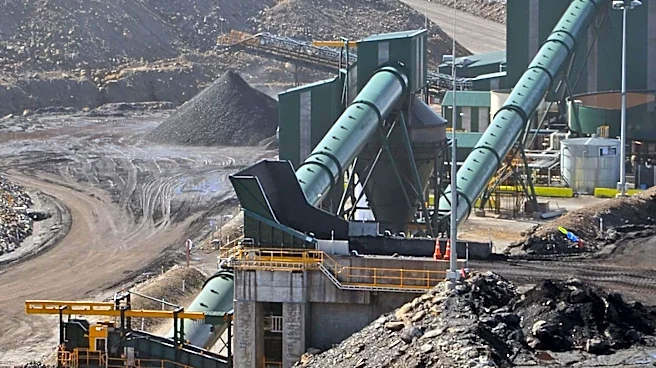
The U.S. Army has signed a nonbinding term sheet with REalloys (Nasdaq: ALOY) to establish a heavy rare earth processing facility at the Tooele Army Depot in Utah. This agreement covers approximately 200 acres and includes a potential 75-year lease, granting
the Army a right of first offer on production. This initiative aims to address the critical shortage of domestic rare earth processing capabilities, particularly for defense-grade metals and magnets. Unlike previous government efforts that involved significant direct funding, this model positions REalloys to finance and construct the facility, with the Army providing the land and security perimeter. REalloys will pay fair-market rent, and the Army will receive participation rent once commercial operations commence, ensuring no direct taxpayer-funded construction or grant money props up the economics. This approach is designed to expand the critical minerals industrial base without putting taxpayer dollars at risk, according to Jeff Waksman, the Army's principal deputy assistant secretary for installations, energy and environment.
Why It's Important?
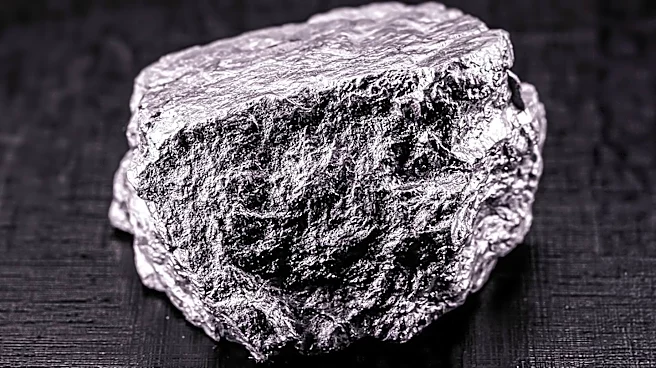
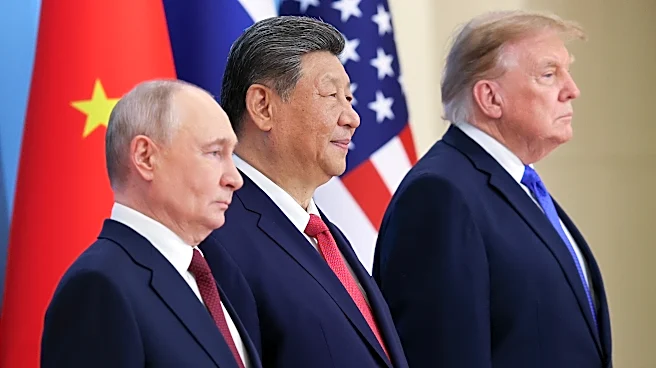
This partnership is crucial for U.S. national security and economic independence, as China currently controls approximately 90% of global rare earth processing, including nearly all dysprosium and terbium used in American weapons systems. The U.S. has abundant rare earth deposits but lacks the capacity to process these raw materials into defense-grade metals and alloys. Previous government investments totaling billions of dollars have not significantly altered North America's processing capabilities. The Tooele model represents a new strategy, aligning incentives by offering permanence, proximity, and priority access to production rather than direct subsidies. This could create a self-sustaining commercial operation within the defense industrial base, reducing reliance on foreign adversaries for essential materials. The urgency is heightened by expanded Pentagon procurement rules taking effect on January 1, 2027, which will restrict the use of Chinese-origin rare earth materials in American weapons systems, and China's own export controls on heavy rare earth elements expiring shortly thereafter.
What's Next?
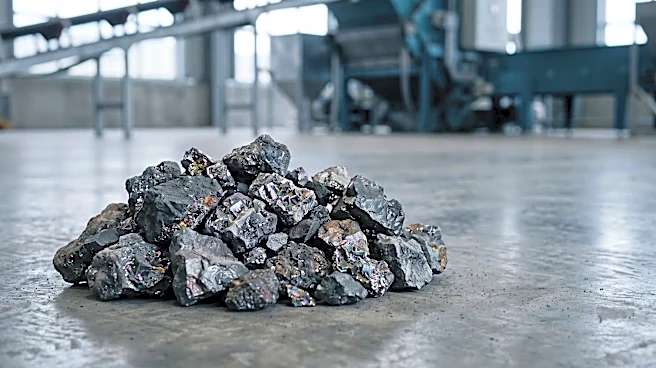
REalloys is expected to finance and build the processing facility at the Tooele Army Depot. The company is already working to qualify defense-grade materials, with high-purity rare earth materials anticipated from the Saskatchewan Research Council (SRC) as early as Q4 2026. The SRC facility, designed without Chinese technology, targets an annual capacity of approximately 525 tonnes of NdPr metal, 30 tonnes of dysprosium oxide, and 15 tonnes of terbium oxide, with initial NdPr metallization capacity expected to be commissioned in Q1 2027. The Tooele facility, if successful, could serve as a template for future public-private partnerships, where the federal government provides infrastructure and demand pathways, and the private sector supplies capital and expertise. This model aims to ensure that the economics of such ventures are self-sustaining, fostering a more resilient domestic supply chain for critical minerals.
Beyond the Headlines
The Tooele agreement highlights a significant shift in the U.S. strategy to counter China's dominance in the rare earth sector. By leveraging federal land and security infrastructure, the Army is creating a framework that encourages private sector investment and innovation without direct financial outlays. This approach could mitigate the risks associated with traditional grant-based funding, which has often failed to yield desired processing capacities. The long-term lease and right of first offer on production provide REalloys with a stable operational environment and a guaranteed market, fostering the development of specialized expertise that has been lost in the Western world. This initiative also underscores the broader geopolitical implications of critical mineral supply chains, emphasizing national security and technological independence as key drivers for domestic industrial policy. The success of this model could set a precedent for other critical sectors where the U.S. seeks to reduce foreign reliance.