






What's Happening?
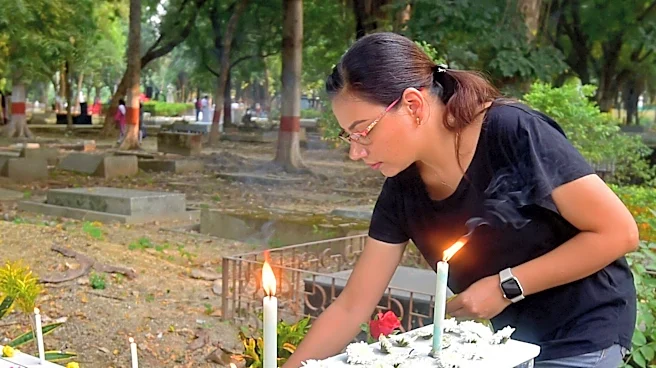
A significant gravesite restoration project is slated to commence in January 2027 at Hilo’s East Hawaii Veterans Cemetery No. 2. Maui contractor Alpha Inc. has been selected to undertake the work, which includes raising and realigning nearly 4,500 grave markers,
installing burial section markers and flower watering stations, and rehabilitating 5.5 acres of the cemetery's turf and soil. The project is being funded by a grant of up to $6,132,225 awarded to the state by the Department of Veterans Affairs’ National Cemetery Administration (NCA). Jeff Hickman, spokesman for the state Department of Defense, confirmed that the Veterans Cemetery Grants Program grant will be administered by the state DOD’s Engineering Office. The initiative aims to bring the cemetery up to national standards, addressing long-standing issues identified in a 2021 DVA Office of Inspector General audit, which noted deficiencies such as improperly installed and missing gravesite markers, inaccurate layouts, and inconsistent safety standards. The project is expected to take approximately 3.5 years to complete.
Why It's Important?
This restoration project is crucial for honoring the sacrifices of veterans interred at Hilo’s East Hawaii Veterans Cemetery No. 2 and ensuring the site meets national standards for veterans' cemeteries. The 2021 DVA audit highlighted significant issues, including a lack of permanent markers and drainage problems exacerbated by Hilo's heavy rainfall, which not only affected the cemetery's appearance but also posed safety concerns. The county Department of Parks and Recreation, responsible for daily maintenance, has struggled with staffing and funding to address these issues, as noted by retired Army Colonel Deb Lewis. The federal grant will alleviate this burden, allowing for comprehensive improvements that the county could not manage independently. By rectifying these deficiencies, the project will provide a more dignified and safe resting place for veterans and their families, reflecting the respect and gratitude owed to those who served. It also underscores the federal government's commitment to supporting state and local efforts in maintaining veterans' burial grounds.
What's Next?
The restoration project is scheduled to begin in early January 2027 and is projected to conclude in approximately 3.5 years. During this period, Maui contractor Alpha Inc. will systematically address the identified deficiencies, including the realignment of grave markers, installation of new infrastructure, and extensive landscaping. The county Department of Parks and Recreation will continue its day-to-day maintenance responsibilities and will collaborate with state and federal partners, as well as the contractor, throughout the project. The state DOD’s Engineering Office will administer the grant, overseeing the financial and logistical aspects. Community members and veterans' advisory committees will likely monitor the progress, ensuring the improvements meet expectations. Upon completion, East Hawaii Veterans Cemetery No. 2 is expected to fully comply with NCA standards, providing a properly maintained and respectful environment for veterans and their families.
Beyond the Headlines
The issues at Hilo’s East Hawaii Veterans Cemetery No. 2, as revealed by the DVA audit, point to broader challenges in maintaining veterans' cemeteries across the nation, particularly in areas with limited local resources or unique environmental conditions. The audit's findings, such as temporary markers remaining for years and drainage problems, highlight a systemic need for consistent oversight and adequate funding to ensure all veterans' burial sites meet established standards. This project in Hilo serves as a case study for how federal grants can bridge funding gaps and facilitate necessary improvements in collaboration with local entities. Beyond the physical restoration, the initiative carries significant cultural and ethical weight, reinforcing the nation's commitment to its veterans. It also brings attention to the often-overlooked operational challenges faced by local governments in managing such sacred spaces, emphasizing the importance of inter-agency cooperation and sustained investment in veterans' services.