






What's Happening?
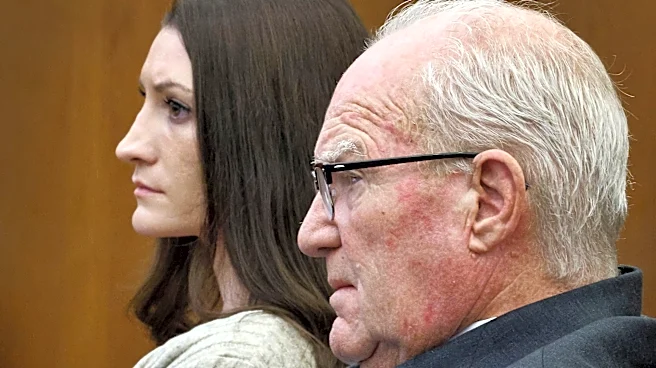
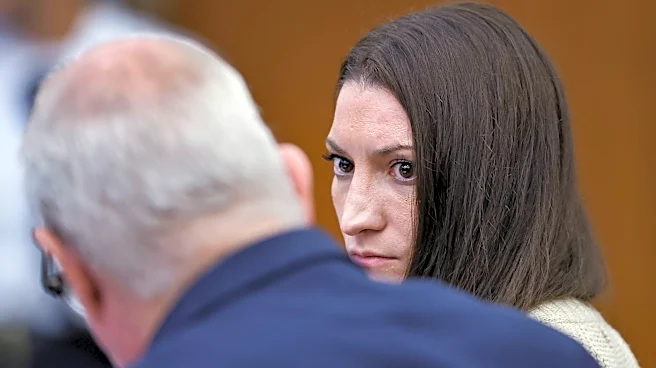
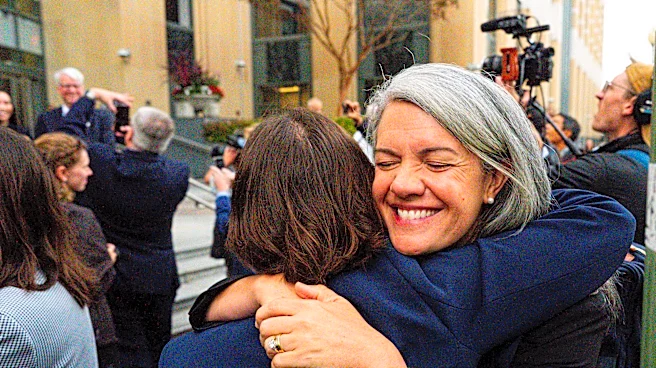
Harvard University has been ordered to pay $53 million to settle a class-action lawsuit. The lawsuit was brought by families whose loved ones' donated bodies were mishandled by a former morgue manager at Harvard Medical School. Cedric Lodge, the former manager,
was arrested in 2023 and sentenced to eight years in prison for stealing and selling organs and body parts from cadavers donated for medical research. The court found that Lodge had been stealing body parts, including 'heads, faces, brains, skin and hands,' since 2018, selling them with his wife. The families accused Harvard of negligence, alleging the institution was aware of Lodge's activities but failed to act until his indictment. A judge initially dismissed the cases, but the Massachusetts Supreme Judicial Court revived them, stating the claims sufficiently indicated the university acted in bad faith regarding the 'horrific and undignified treatment' of the bodies. In addition to the financial settlement, Harvard Medical School is required to issue a statement to the affected families acknowledging Lodge's 'morally reprehensible' acts and will establish an annual scholarship for medical schools in honor of the donors, starting in the 2027-2028 academic year.
Why It's Important?
This settlement underscores the critical importance of institutional oversight and ethical conduct within academic and medical settings, particularly concerning the handling of human remains donated for scientific advancement. The case highlights the profound emotional and legal ramifications when trust is breached in such sensitive areas. For Harvard, a leading educational institution, the ruling and subsequent settlement represent a significant blow to its reputation and a reminder of the need for stringent internal controls and accountability. The establishment of a scholarship in honor of the donors aims to partially restore faith and acknowledge the invaluable contribution of those who donate their bodies to science. This event could prompt other institutions involved in medical research and anatomical donations to review and strengthen their own protocols to prevent similar abuses, ensuring the dignity and respect due to donated remains and their families. The legal precedent set by the Massachusetts Supreme Judicial Court's decision to revive the cases also emphasizes that institutions can be held accountable for negligence in overseeing their employees' actions, even in complex and unusual circumstances.
What's Next?
Harvard Medical School will proceed with the $53 million settlement payout to the affected families. The institution is also mandated to provide a statement to the families via webinar, confirming the morally reprehensible nature of Cedric Lodge's actions. Furthermore, Harvard will establish an annual scholarship for medical schools, commencing in the 2027-2028 academic year, dedicated to honoring those who donated their bodies for research. This scholarship aims to serve as a lasting tribute and a step towards rebuilding trust. The ongoing investigations into the broader implications of such misconduct may lead to increased scrutiny and potential regulatory changes for institutions handling anatomical donations. Other medical and research facilities may proactively review their security and oversight protocols to prevent similar incidents and ensure ethical compliance. The legal proceedings against Cedric Lodge and his wife have concluded with their sentencing, but the long-term impact on donor programs and public confidence in medical institutions will likely continue to unfold.
Beyond the Headlines
The Harvard body parts scandal delves into profound ethical and societal dimensions beyond the immediate legal and financial consequences. It exposes a disturbing vulnerability in the system of anatomical donation, which relies heavily on public trust and the altruism of individuals. The desecration of donated bodies, intended for scientific and educational purposes, represents a betrayal of that trust and a violation of the dignity of the deceased and their families. This incident could lead to a chilling effect on future anatomical donations, potentially impacting medical research and education that depend on such contributions. The case also raises questions about the broader culture within institutions, particularly how long such egregious acts could go unnoticed or unaddressed. It highlights the need for not just procedural safeguards but also a robust ethical framework and a culture of vigilance that prioritizes respect for human remains. The public's perception of medical institutions and the integrity of scientific research could be significantly altered, necessitating a concerted effort to restore confidence through transparency, accountability, and a renewed commitment to ethical practices.