




What's Happening?
The United States is currently experiencing a series of significant challenges, including severe weather conditions and rising gas prices. Millions of Americans are bracing for more severe weather across the country, which has been causing disruptions
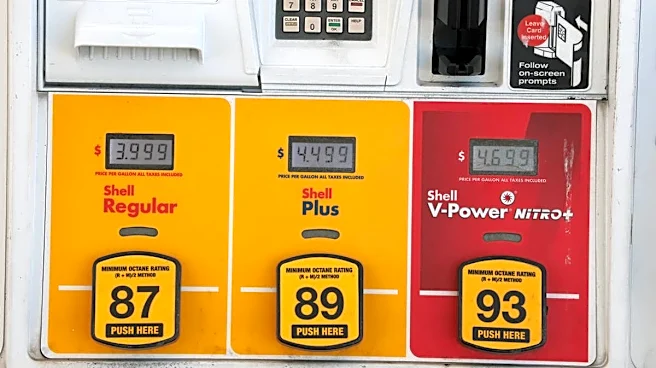
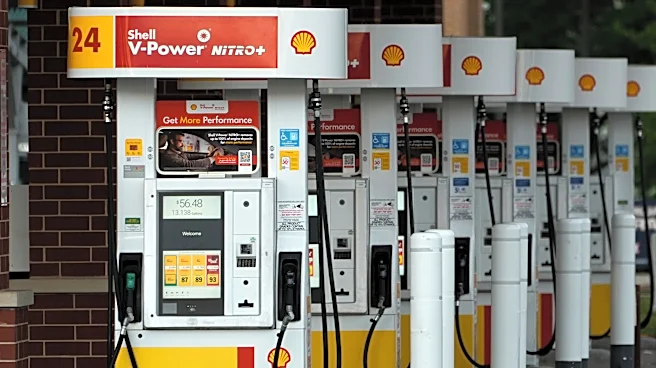
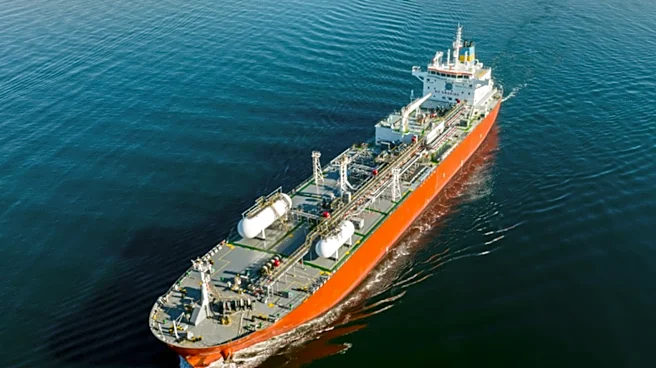
and concerns for public safety. In addition to the weather issues, gas prices have surged above $4 per gallon, a consequence of the escalating conflict with Iran. This increase in fuel costs is attributed to the ongoing war, which has affected global oil supply chains. Furthermore, a survivor of a bison attack in Yellowstone has shared his harrowing experience from his hospital bed, highlighting the dangers of wildlife encounters in national parks.
Why It's Important?
The combination of severe weather and rising gas prices presents a dual challenge for the U.S. economy and its citizens. The severe weather can lead to property damage, disrupt transportation, and pose risks to public safety, requiring emergency responses and potentially straining local resources. Meanwhile, the increase in gas prices impacts consumers and businesses alike, leading to higher transportation and production costs. This can result in increased prices for goods and services, affecting the overall cost of living. The situation with Iran further complicates the geopolitical landscape, potentially influencing U.S. foreign policy and military strategy.
What's Next?
As the situation develops, the U.S. government and local authorities are likely to focus on mitigating the impacts of severe weather through emergency preparedness and response efforts. On the economic front, policymakers may consider measures to stabilize gas prices and address the broader economic implications of the conflict with Iran. The international community will be closely monitoring the situation, as further escalation could have global repercussions. Additionally, there may be increased emphasis on wildlife safety education in national parks to prevent future incidents like the bison attack.