






What's Happening?
Latino-owned businesses in Oregon, particularly in the Portland metro area, are experiencing a resurgence in customer activity due to the World Cup. This comes after a period of decline attributed to heightened immigration enforcement under the Trump
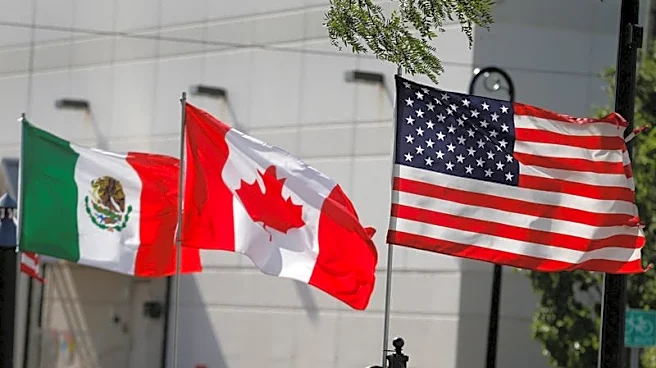
administration. Businesses like La Pulga Fantástica in Gresham have seen increased patronage as community members gather to watch soccer matches, providing a temporary sense of normalcy and community. The World Cup, hosted in the U.S., Mexico, and Canada, has brought people together, offering a reprieve from the fear and uncertainty that had gripped the community due to immigration crackdowns. These businesses had previously suffered as customers and vendors were hesitant to visit due to fears of immigration raids, which peaked in Oregon with nearly 500 detentions in November 2025.
Why It's Important?
The revival of Latino-owned businesses during the World Cup highlights the significant impact of immigration policies on local economies and communities. The increased foot traffic and community engagement during the World Cup provide a much-needed economic boost to these businesses, which had been struggling due to the fear instilled by aggressive immigration enforcement. This situation underscores the broader economic and social implications of immigration policies, as businesses that serve immigrant communities are directly affected by the political climate. The World Cup serves as a unifying event, temporarily alleviating the tensions and fears that have been prevalent, and demonstrating the potential for cultural events to foster community resilience and economic recovery.
What's Next?
While the World Cup has provided a temporary boost, the long-term recovery of these businesses will depend on changes in immigration policy and community sentiment. Business owners remain cautious, as the fear of immigration enforcement persists. The outcome of future political decisions regarding immigration could significantly influence the stability and growth of these businesses. Additionally, the increase in minimum wage presents new challenges for business owners, who may need to adjust staffing and operations to remain viable. Continued community support and potential policy shifts could play a crucial role in sustaining the recovery of these businesses.