


What's Happening?
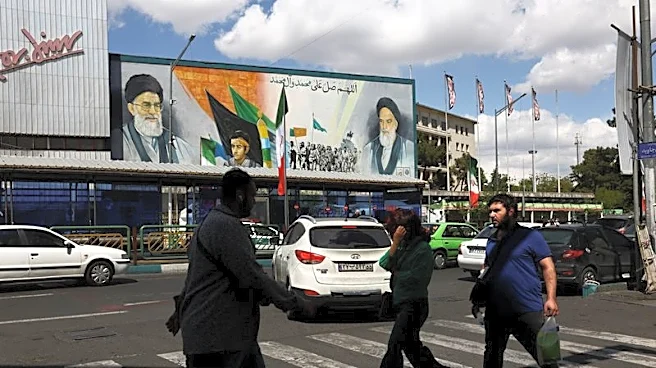
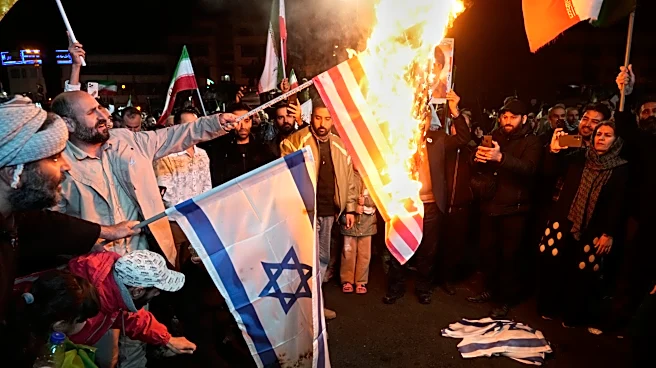
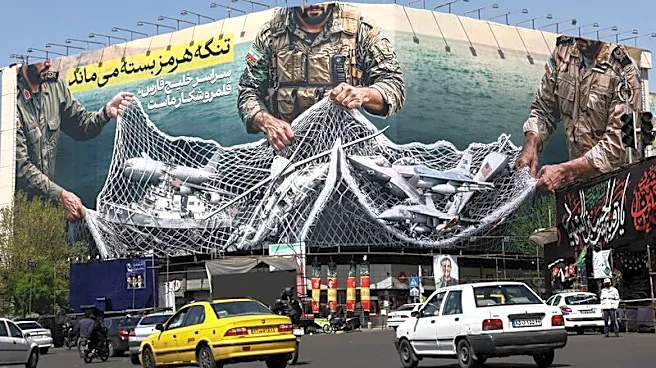
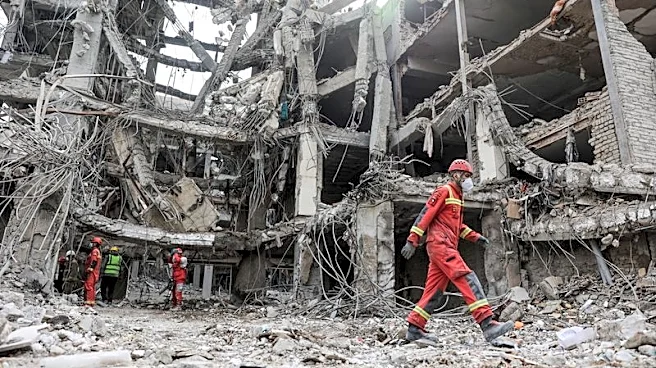
China has emphasized its role in advocating for a ceasefire in the ongoing conflict involving Iran, the U.S., and Israel. The ceasefire, brokered by Pakistan, allows Iran to reopen the Strait of Hormuz, a critical passage for global oil shipments, while
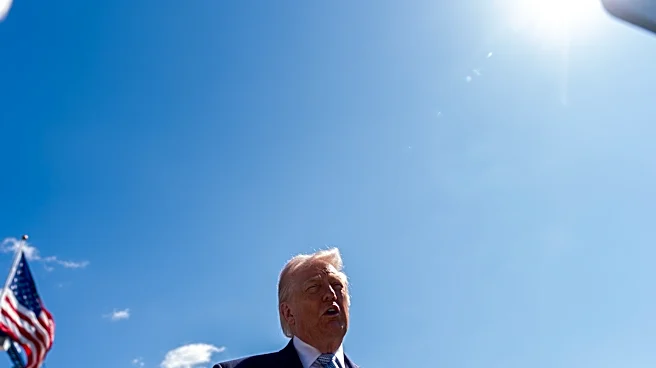
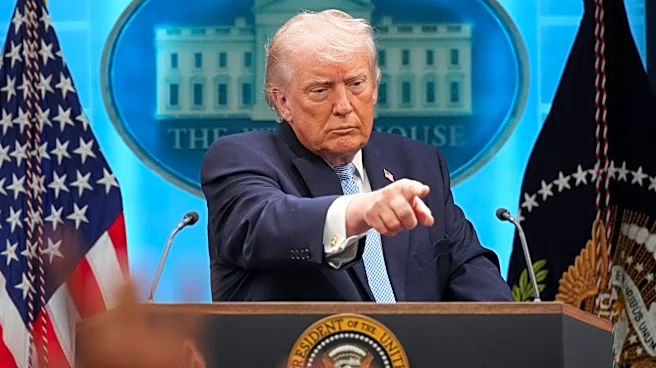
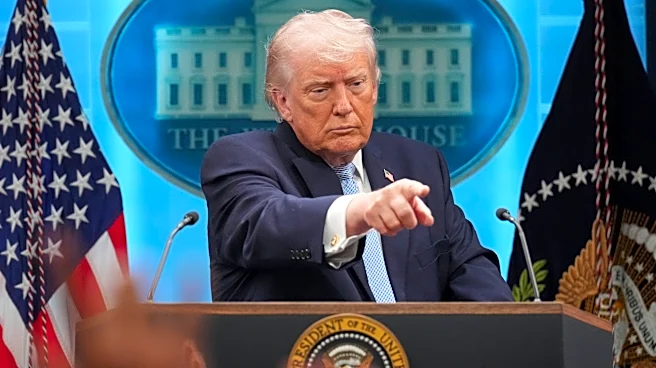
the U.S. and Israel pause their bombing campaigns. President Trump has claimed a 'total and complete victory' in reaching the ceasefire, suggesting China's involvement in the negotiations. However, China has not confirmed its direct role in the talks. Chinese Foreign Ministry spokesperson Mao Ning stated that China will continue to play a constructive role in regional peace efforts. China's diplomatic activities have included a five-point peace proposal and outreach to foreign ministers from 26 countries, as well as shuttle diplomacy in the Gulf region.
Why It's Important?
The ceasefire in Iran is significant due to the strategic importance of the Strait of Hormuz, through which a substantial portion of the world's oil supply flows. China's involvement in the peace process underscores its growing influence in Middle Eastern geopolitics and its interest in maintaining stability in a region critical to its energy needs. The ceasefire also reflects the complex interplay of international relations, with the U.S., Israel, and Iran navigating a tense situation that could impact global oil markets and regional security. President Trump's claims of victory and China's diplomatic efforts highlight the multifaceted nature of international negotiations and the potential for shifts in alliances and power dynamics.
What's Next?
Negotiations are expected to continue under a 10-point framework proposed by Iran, with the U.S. having initially pressed for a 15-point plan. The ceasefire is set for two weeks, during which further diplomatic efforts will aim to establish a more permanent resolution. Israel has expressed support for the pause but maintains its operations in Lebanon against Hezbollah, which it views as a threat. The situation remains fluid, with potential for renewed conflict if negotiations falter. Stakeholders, including China, the U.S., and regional powers, will likely continue to engage in diplomatic efforts to ensure stability and protect their interests.
Beyond the Headlines
China's role in the ceasefire highlights its strategic interests in the Middle East, particularly regarding energy security and geopolitical influence. The situation also raises questions about the effectiveness of international diplomacy in resolving complex conflicts and the potential for shifts in global power dynamics. The ceasefire may serve as a test case for China's ability to mediate in international disputes, potentially setting a precedent for future involvement in regional conflicts.