





What's Happening?
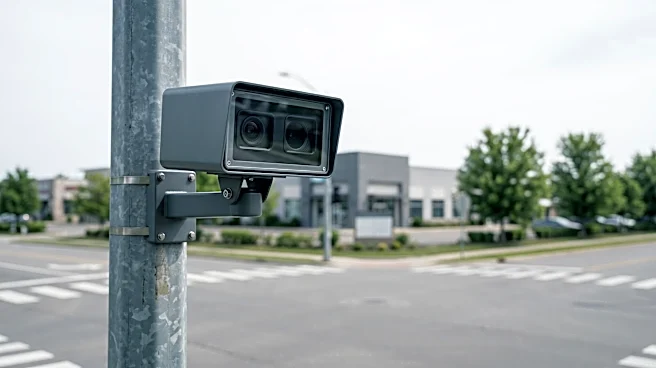
A former Kenosha County deputy, Frank McGrath, is facing two felony counts for allegedly misusing the Flock camera network to track his then-girlfriend. Prosecutors state that McGrath, while off duty, searched his then-girlfriend’s personal license plate
16 to 17 times on September 30 of last year using the Flock system. A criminal complaint indicates that the woman is also a Kenosha County deputy, and McGrath reportedly used another system to search her body camera and squad car locations last fall. Investigators noted that each time McGrath accessed the Flock database, he cited 'suspicious' as the reason. Internal investigative documents from the Kenosha County Sheriff’s office reveal McGrath initially claimed he was 'testing new features' but later admitted they were 'having problems' and he suspected she 'might be with another guy.' McGrath resigned from the department last December, and his first court appearance is scheduled for September 17. This incident marks the third time an officer in southeastern Wisconsin has been charged with misusing the license-plate reader database.
Why It's Important?
This case highlights significant concerns regarding the privacy implications and potential for abuse of advanced surveillance technologies like the Flock camera system by law enforcement personnel. The alleged misuse by a former deputy to track a personal acquaintance underscores the need for robust oversight, clear policies, and stringent accountability mechanisms within police departments utilizing such tools. The incident could erode public trust in law enforcement, particularly concerning how personal data collected by these systems is accessed and used. It also raises questions about the adequacy of existing safeguards to prevent unauthorized access and ensure data integrity. For individuals, the case emphasizes the vulnerability of personal information, such as vehicle movements, to potential misuse, even by those entrusted with public safety. The fact that this is the third such charge in southeastern Wisconsin suggests a broader systemic issue that may require re-evaluation of training, access protocols, and disciplinary actions across multiple agencies.
What's Next?
Frank McGrath is scheduled for his first court appearance on September 17, where legal proceedings will commence for the two felony counts of misconduct in public office. The Kenosha County Sheriff’s office has stated that it has implemented additional safeguards to its use of the Flock system following this incident, suggesting a review and potential modification of internal policies and procedures. Further investigations may be initiated to determine if other instances of misuse occurred or if the implemented safeguards are sufficient. The outcome of McGrath's trial could set a precedent for how similar cases involving the misuse of surveillance technology by law enforcement are handled in the future. Additionally, this case may prompt other law enforcement agencies across the U.S. to review their own protocols for the use of license-plate reader databases and other surveillance technologies to prevent similar abuses and maintain public confidence.
Beyond the Headlines
The alleged misuse of the Flock camera system by a law enforcement officer delves into the ethical and legal complexities surrounding surveillance technology in a democratic society. While these systems are often justified for public safety and crime prevention, their potential for personal exploitation by those with access raises profound questions about civil liberties and the right to privacy. The incident underscores a critical tension between security measures and individual freedoms, particularly when the technology can track movements and patterns of ordinary citizens. It also highlights the 'insider threat' challenge within organizations, where authorized users can become vectors for abuse. The broader implication is a call for a national dialogue on the governance of surveillance technologies, including clear legal frameworks, independent oversight bodies, and severe penalties for misuse, to ensure that these powerful tools serve their intended purpose without infringing upon fundamental rights. The case could also influence public perception of police accountability and the need for greater transparency in law enforcement operations.