


What's Happening?
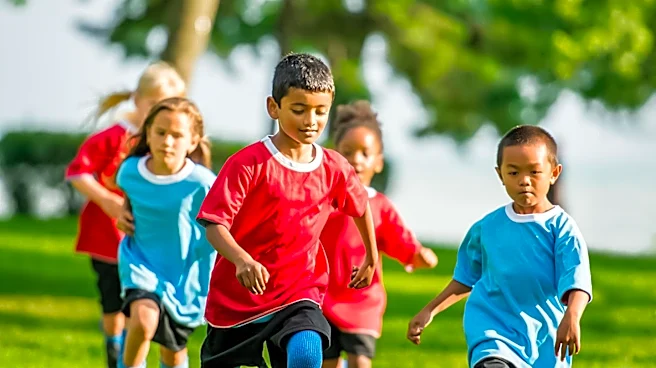
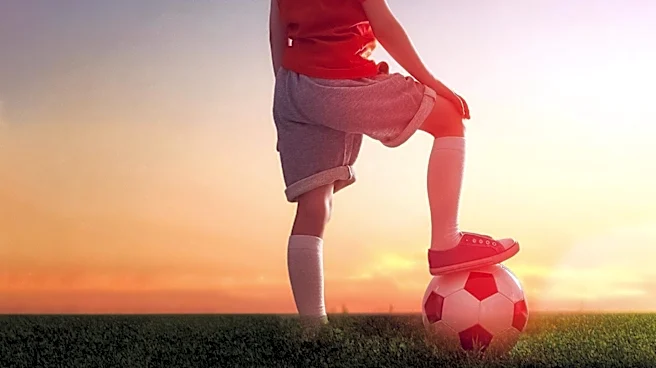
Sever's disease, also known as calcaneal apophysitis, is a common cause of heel pain in active children aged 8 to 14, particularly boys. It is an irritation of the growth plate at the back of the heel bone, where the Achilles tendon attaches. This condition
is not an infection or arthritis but rather an overuse injury. During growth spurts, bones can lengthen faster than muscles and tendons, leading to tightness in the calf and Achilles tendon. Repetitive activities like running, jumping, and landing, common in sports such as soccer, basketball, gymnastics, and track, can tug on this soft growing area, causing inflammation and soreness. Diagnosis typically relies on a child's history and a physical examination, often involving a 'squeeze test' of the heel. X-rays are usually not necessary unless symptoms are atypical or severe, or if other conditions need to be ruled out.
Why It's Important?
Sever's disease significantly impacts the physical activity and well-being of children, potentially limiting their participation in sports and daily activities. While not a serious long-term condition, the pain can be disruptive and frustrating for young athletes and their families. Understanding this condition is crucial for parents, coaches, and healthcare providers to ensure appropriate management and prevent prolonged discomfort. Early recognition and intervention, focusing on relative rest, icing, stretching, and supportive footwear, can help children manage symptoms and return to their activities. Without proper management, recurrent flares can occur, leading to extended periods away from full training and potentially affecting a child's engagement in sports during critical developmental years.
What's Next?
Management of Sever's disease primarily involves simple measures to calm the growth plate while allowing children to remain active. Key steps include reducing activities that cause pain, applying ice after activity, using cushioned heel cups or small heel raises, and performing daily calf stretches. Supportive, cushioned shoes are also recommended. Pain relief medications like ibuprofen or acetaminophen can be used as needed. Children can often continue playing sports at a lower intensity, provided their pain remains at a manageable level (3 out of 10 or less) and resolves quickly. The condition typically resolves completely when the heel growth plate fuses into solid bone, usually around age 15 for girls and 16 for boys, leaving no lasting damage. If symptoms do not improve after several weeks, a clinician may re-evaluate the diagnosis or recommend physical therapy.
Beyond the Headlines
The prevalence of Sever's disease highlights the unique physiological challenges faced by growing children involved in sports. The condition underscores the importance of balanced training regimens and proper physical conditioning during periods of rapid growth. Specializing early in a single sport and sudden increases in training intensity are identified risk factors, suggesting a need for careful monitoring and gradual progression in youth sports. This condition also brings to light the broader issue of distinguishing growth-related pains from more serious injuries in children, emphasizing the role of informed medical assessment. The complete recovery without long-term problems offers reassurance, but the temporary limitations can affect a child's psychological well-being and social engagement within their sports teams.