




What's Happening?
IBM characterizes quantum computing as a hybrid system where classical and quantum resources collaborate, rather than a standalone computer with a quantum CPU. This approach, termed 'quantum-centric supercomputing,' divides workloads between classical and quantum processors,
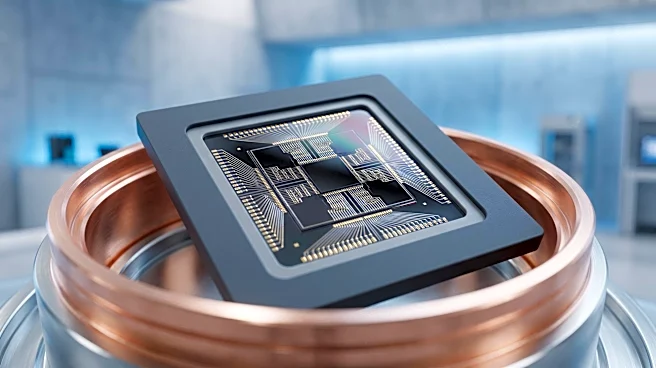
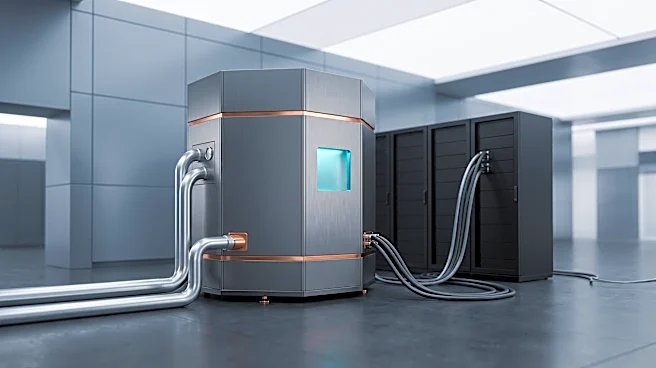
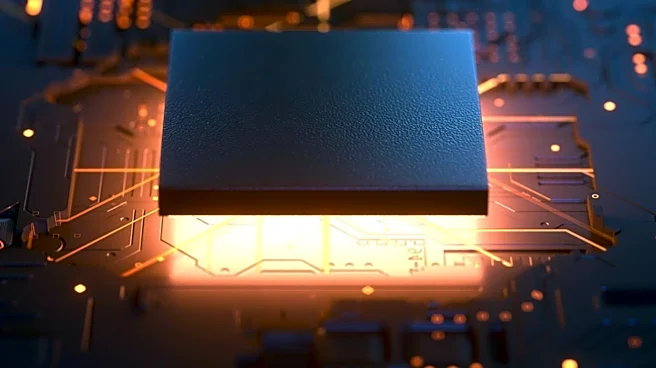
leveraging each for its optimal tasks. The quantum processor (QPU) itself does not run an operating system; instead, it functions as a specialized computational resource controlled by classical computing infrastructure. IBM's Quantum System Two exemplifies this architecture, integrating cryogenic infrastructure, QPUs, modular qubit-control electronics, classical runtime servers, and coordinating software and middleware. Classical runtime resources handle critical tasks such as quantum error correction decoding, calibration, mid-circuit measurement, and active qubit reset, while other CPUs and GPUs manage preprocessing, post-processing, error mitigation, and classical portions of hybrid workloads. This distinction is crucial for understanding the operational model of quantum computers and their associated cybersecurity considerations.
Why It's Important?
This definition by IBM is important because it clarifies the fundamental nature of current quantum computing systems, moving away from the misconception of a quantum computer as merely a more powerful classical machine. By emphasizing the hybrid classical + quantum model, it highlights the ongoing reliance on classical computing for orchestration and control, which has significant implications for development, deployment, and security. For U.S. industries and research, this understanding guides investment in integrated systems and multidisciplinary expertise. It also reshapes the cybersecurity landscape, expanding the attack surface beyond just the QPU to include application layers, quantum software, APIs, cloud layers, classical runtime, and control electronics. This broader perspective is essential for developing robust security protocols and ensuring the integrity of quantum computing environments, which are critical for national security and economic competitiveness as quantum technologies advance.
What's Next?
The future development of quantum computing will likely focus on refining the integration between classical and quantum components, optimizing workload distribution, and enhancing the security of the entire hybrid ecosystem. As quantum applications become more sophisticated, there will be an increased need for specialized software frameworks like Qiskit, Google's Cirq, and Xanadu's PennyLane, which bridge the gap between quantum algorithms and hardware. Cybersecurity efforts will need to evolve to address the expanded attack surface, focusing on securing application layers, quantum software supply chains, API and cloud access, classical runtime systems, and control electronics. The distinction between quantum computing security (securing quantum systems) and post-quantum cryptography (protecting classical systems against quantum attacks) will become even more critical, driving research and development in both areas to prepare for a quantum-resistant future.
Beyond the Headlines
The hybrid nature of quantum computing raises deeper implications regarding the evolution of computational paradigms. It suggests that rather than a complete replacement, quantum computing will likely augment classical computing, leading to a symbiotic relationship where each excels in different problem domains. This could foster new interdisciplinary fields combining quantum physics, computer science, and materials engineering. Ethically, the complexity of these hybrid systems could introduce new challenges in ensuring transparency, accountability, and explainability, particularly as quantum algorithms are applied to sensitive areas like drug discovery or financial modeling. Legally, the intellectual property surrounding quantum algorithms and hybrid system architectures will become increasingly valuable and contested. Culturally, this shift may necessitate a re-education of the workforce, requiring professionals to understand both classical and quantum principles to effectively contribute to the quantum era.