






What's Happening?
A new study published in *Science* on Thursday indicates a connection between an individual's gut microbiome and the severity of fever experienced after receiving a COVID-19 vaccine. Researchers collected stool samples from over 170 participants before
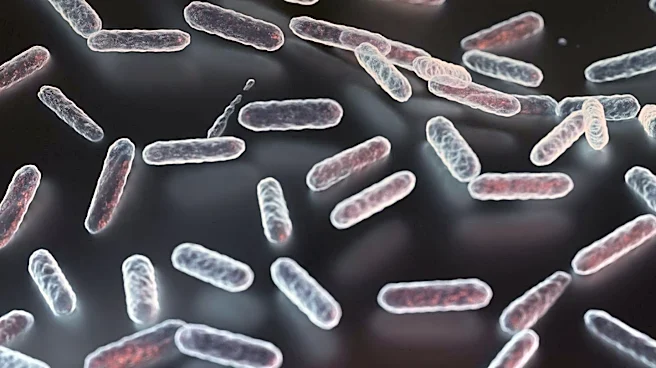
and after their second or third vaccine doses. The findings suggest that individuals who developed fevers post-vaccination tended to share similar gut microbiome characteristics. Specifically, those with more pronounced fevers exhibited higher levels of flagellin, a protein found in the tail-like structures (flagella) that bacteria use for movement. This suggests that the microbes associated with fever had greater motility. Additionally, participants experiencing high-fever symptoms also showed increased gut inflammation compared to those with minimal or no fever. This research aims to understand why some individuals react more strongly to vaccines than others, potentially paving the way for mitigating these side effects.
Why It's Important?
This research is significant because it offers a potential explanation for the variability in vaccine side effects among individuals, a factor that can influence vaccine hesitancy and uptake. Understanding the role of the gut microbiome could lead to strategies for reducing common post-vaccination symptoms like fever, thereby improving the overall vaccination experience. If researchers can identify specific microbial profiles or mechanisms that contribute to these reactions, it might be possible to develop interventions, such as dietary adjustments or probiotic treatments, to modulate the immune response. This could enhance public confidence in vaccines and contribute to higher vaccination rates, which are crucial for public health in managing infectious diseases like COVID-19. The study also opens new avenues for personalized medicine, where an individual's microbiome could inform their vaccination strategy.
What's Next?
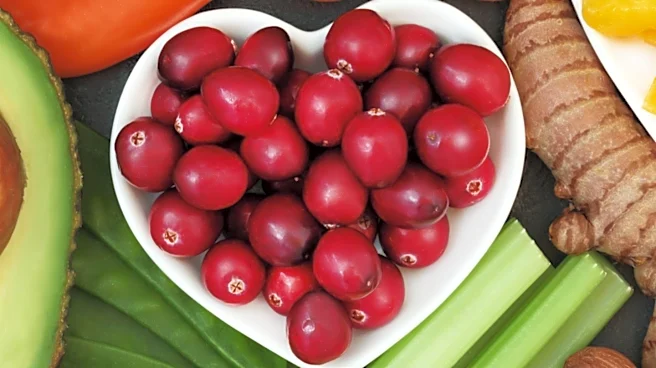
The next steps in this research involve further investigation into the causal link between flagellin and fever, as well as exploring why some individuals have higher levels of flagellin in their guts. Preliminary findings suggest a potential link to diet, with self-reported vegetarians showing lower flagellin levels, but more research is needed to confirm this. Researchers plan to conduct further studies to determine if modulating bacterial motility could reduce vaccine-induced fevers. If successful, this could lead to practical interventions aimed at minimizing vaccine side effects. Ultimately, the goal is to leverage these findings to develop strategies that make vaccination a more comfortable experience for everyone, potentially increasing vaccine acceptance and improving public health outcomes. Future research will also focus on translating these findings into clinical applications.
Beyond the Headlines
Beyond the immediate implications for vaccine side effects, this study highlights the growing understanding of the profound influence of the gut microbiome on overall human health and immune responses. The connection between gut bacteria and systemic inflammatory responses, such as fever after vaccination, underscores the intricate communication pathways between the digestive system and the immune system. This research could pave the way for broader applications in immunology, potentially influencing how we understand and manage responses to other medications, infections, and even chronic diseases. It also emphasizes the importance of diet and lifestyle in shaping the microbiome, suggesting that personalized nutritional approaches could play a role in optimizing immune function and health outcomes. The ethical implications of manipulating the microbiome for health benefits will also need careful consideration as this field advances.